Best Time to Visit South Africa on Safari: When to Go for Wildlife, Weather, and Adventure
South Africa is one of those rare destinations that has it all. Roaring lions on open plains; penguins waddling along sunlit beaches; world-class wineries; and mountains that touch the sky. But with such diverse landscapes and climates, you might be wondering: when is the best time to visit South Africa on safari?
Whether you’re dreaming of epic Big Five game drives in Kruger, sipping sundowners overlooking Table Mountain, or road-tripping along the Garden Route, timing your visit right makes all the difference. Let’s break down the seasons so you can plan an unforgettable South African adventure.
When Is the Best Time to Visit South Africa?
Quick Answer: May to September for Safari, November to March for Cape Town
If you’re looking for a quick summary:
- Best time for safari: May to September (dry winter months), when wildlife gathers around waterholes and vegetation is sparse. This makes it easier to spot animals.
- Best time for Cape Town and the Garden Route: November to March, when warm, sunny days are perfect for beaches, wine tasting, and coastal adventures.
Understanding South Africa’s Seasons
South Africa is in the southern hemisphere. This means its seasons are opposite to those in Europe, North America, and Asia. Here’s how it breaks down…
Summer is December through February. Hot, sunny, and perfect for beaches.
Autumn is from March to May. This is for cooling down with beautiful foliage. We recommend autumn for mixed itineraries.
Winter runs from June through August. This is when the weather is dry and cool. It’s also the best time for safaris and viewing wildlife.
Finally, spring is from September to November. During this period, visitors can warm up with blooming landscapes. It’s great for safaris (And fewer crowds before peak summer arrives).
This seasonal flip is key when planning your safari and city adventures. For example, while Cape Town enjoys hot summer days in January, Kruger may be lush and green with occasional rains, making wildlife slightly harder to spot.
Best Time to Visit South Africa for Safari
May to September – Dry Season in Kruger and Other Parks
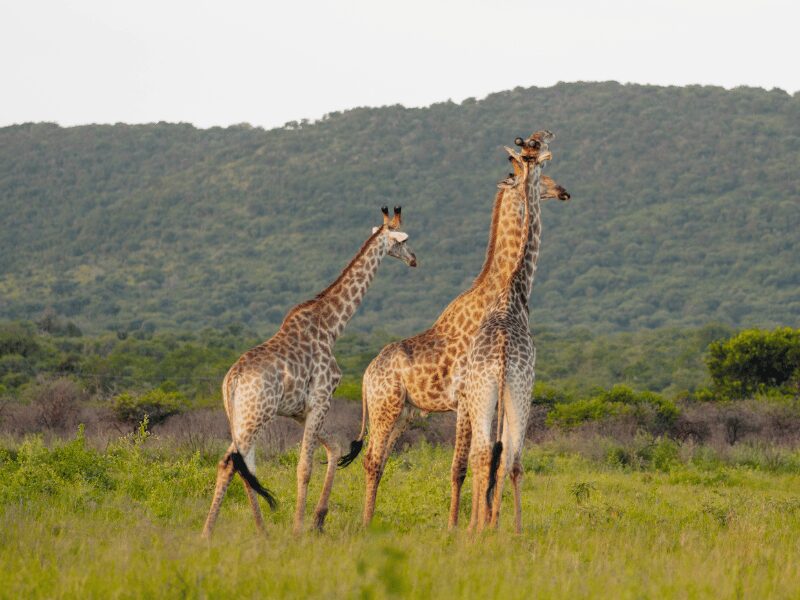
The dry winter months from May to September are widely considered the best time for a South African safari. During this period, vegetation is sparse. So you don’t have to worry about animals hiding away in trees. You will be able to spot them easily, especially as they gather around waterholes.
Temperatures are cooler, especially in the mornings and evenings. So the conditions are comfortable for game drives. There is minimal rainfall, so roads are dry and wildlife viewing is reliable.
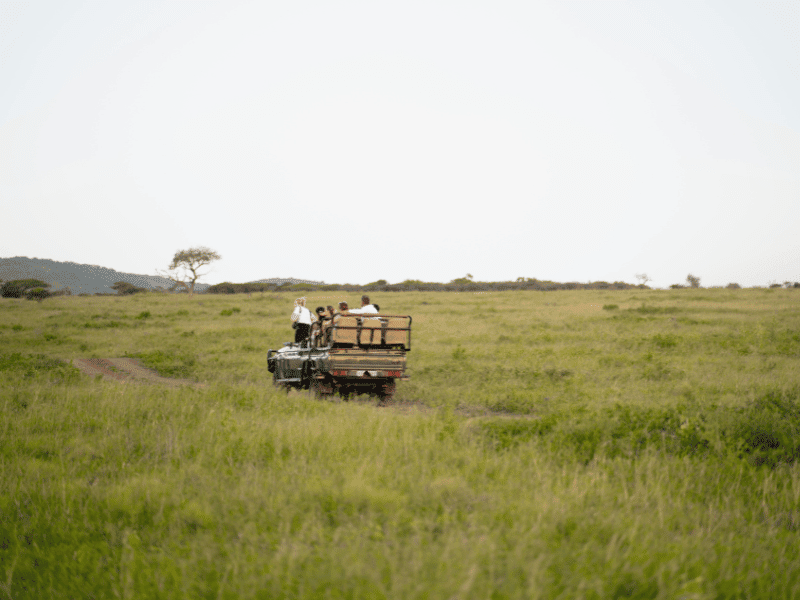
In Kruger National Park, South Africa’s most famous safari destination, these months offer exceptional opportunities to see the Big Five in their natural habitat. While early mornings can be chilly (so pack layers!), the clear skies and abundant sightings make it worth waking up before dawn.
Best Parks for Safari Experiences
Kruger is the crown jewel, sure. But South Africa has many other parks and reserves offering incredible safari adventures.
- Kruger National Park: The most famous. There are self-drive and private lodge options for every budget.
- Sabi Sands Game Reserve: Adjacent to Kruger. Known for luxury lodges and almost guaranteed leopard sightings.
- Madikwe Game Reserve: Near the Botswana border. This is malaria-free and excellent for families.
- Addo Elephant National Park: Near Port Elizabeth. Home to over 600 elephants and the Big Five.
- Pilanesberg National Park: Close to Johannesburg, malaria-free, and great for short safaris.
No matter which park you choose, visiting during the dry season lets you see Africa’s wildlife up close.
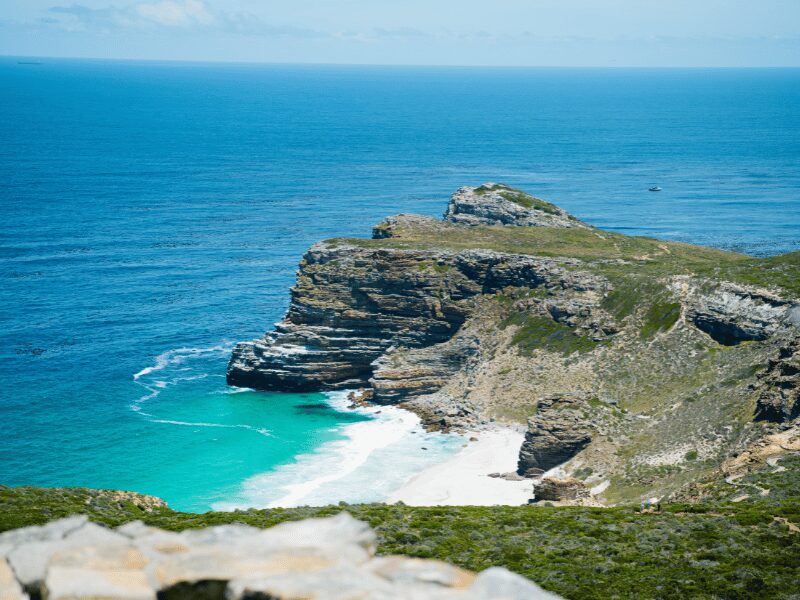
Best Time to Visit Cape Town and the Garden Route
November to March – Peak Summer and Beach Season
If your South Africa itinerary includes sunbathing on Clifton Beach, exploring the colourful streets of Bo-Kaap, or driving the scenic Garden Route, November to March is the perfect time to visit. These summer months bring:
- Warm, sunny days with temperatures ranging from 25 to 35 °C (77 to 95 °F).
- Ideal beach weather, with long daylight hours. Perfect for relaxing by the ocean or wine tasting in Stellenbosch.
- Bustling city life, vibrant events, and a festive atmosphere, especially around Christmas and New Year.
However, keep in mind that this is also peak tourist season, so popular attractions, beaches, and restaurants can be crowded. Accommodation prices are also at their highest.
Shoulder Season for Fewer Crowds
If you prefer milder temperatures and fewer crowds, the shoulder seasons of March to May (autumn) and September to November (spring) are ideal. During these months:
- The weather is still pleasant. The mornings and evenings are cool while the days are sunny.
- Accommodation rates are lower compared to peak summer.
- There are fewer visitors, meaning you can enjoy popular sights like Table Mountain or the Cape Winelands at a more relaxed pace.
- Spring (September to November) also brings blooming wildflowers along the West Coast and in Kirstenbosch Botanical Gardens.
Whether you choose the peak of summer or the quieter shoulder seasons, Cape Town and the Garden Route never disappoint with their stunning landscapes and culture.
Month-by-Month Breakdown of South Africa Travel Seasons
December to February (Summer)
These are South Africa’s peak summer months. They bring hot, sunny days, perfect for beaches and outdoor adventures. Cape Town buzzes with life; the Garden Route is in full bloom; and coastal towns fill with local and international holidaymakers.
However, in Kruger and the northern parks, this is the wet season. Thia means lush green landscapes, newborn animals, and afternoon thunderstorms. While wildlife viewing is more challenging due to dense vegetation, the scenery is spectacular, and birding is at its best.
March to May (Autumn)
Autumn is a fantastic shoulder season, especially for travellers seeking milder weather and fewer crowds. In Kruger, rains taper off, and game viewing begins to improve. In Cape Town and along the Garden Route, temperatures remain pleasant, vineyards turn golden, and accommodation prices start to drop after the summer rush. It’s an excellent time for combined city, safari, and coastal trips.
June to August (Winter)
Winter in South Africa is prime safari season. The dry weather in Kruger and other parks means animals gather around water sources, vegetation is sparse, and days are sunny but cool. Mornings and evenings can be cold, so pack warm layers for early game drives. Meanwhile, Cape Town experiences its wettest months, with cooler temperatures and occasional storms. While the beaches are quiet, winter offers excellent whale watching along the coast, especially from Hermanus.
September to November (Spring)
Spring brings warmer temperatures and blooming landscapes across South Africa. In the Cape, wildflowers transform the West Coast into a sea of colour. And in Kruger, wildlife viewing remains excellent before the summer rains begin. This is also a great time for fewer crowds, comfortable weather, and competitive accommodation rates. This makes it an ideal season for travellers seeking both safari and coastal experiences in one trip.
Conclusion
South Africa is a year-round destination, but choosing the right time to visit defines your experience. If a safari is your top priority, plan your trip between May and September, when dry winter conditions make wildlife spotting spectacular. If you’re dreaming of sunny beaches, vineyard picnics, and Cape Town’s lively atmosphere, November to March is your ideal window.
Of course, shoulder seasons in autumn and spring offer the perfect balance: fewer crowds, pleasant weather, and a chance to see both wildlife and blooming landscapes at their best.
To learn which safari region is right for you check out our blog on Best Time to Visit East Africa vs Southern Africa.