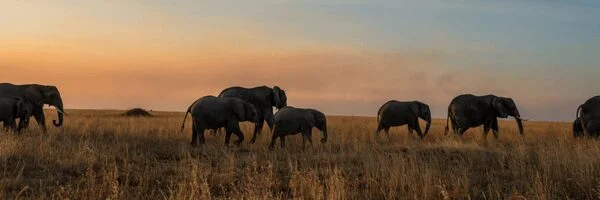
Slow Safaris: The Beauty of Going Pole Pole
Stepping into the African bush doesn’t always mean chasing the next big sighting. Sometimes the magic shows up when you slow your pace and let the wild set the rhythm. That’s the heart of a slow safari, a style of travel built around presence instead of hurry.
Often referred to as pole pole (slowly, slowly) by guides in East Africa, it’s an experience that lets you experience the wilderness the way it was meant to be felt. Unhurried. Grounded. Real.
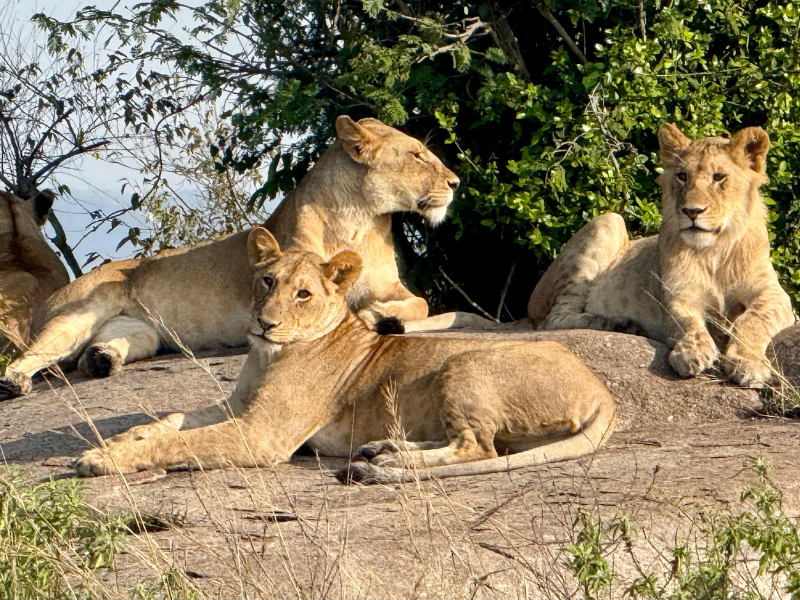
What a Slow Safari Is
The Pole Pole Mindset
Slow safaris are more than just checking animals off a list. The pole pole mindset helps you shift gears. You tune into sounds you usually miss. You catch subtle behaviour in animals that only shows up when you’re patient. You stop thinking about time. You start feeling the place.
A gentler way to travel that comes with richer memories and a deeper connection to the land.
Why Slower Travel Feels Better in the Bush
Slowing down has its benefits, of course (reduced stress, more mental clarity, and better sleep patterns), but when paired with safari in the bush? The experience completely changes. Incredible benefits, dramatic results.
Instead of darting between sightings, the wilderness has room to unfold at its own pace. Moments stretch. Scenes reveal stunning layers. Animals also settle more when the vehicle isn’t constantly on the move. Herds linger. Birds return to branches overhead. Predators walk with ease because nothing feels rushed. The landscape starts to feel lived-in, not just viewed.
A gentler pace also lightens the journey; fewer bumps, less pressure, and more time to notice colours, tracks, and shadows. Truly the definition of a calm, memorable safari.
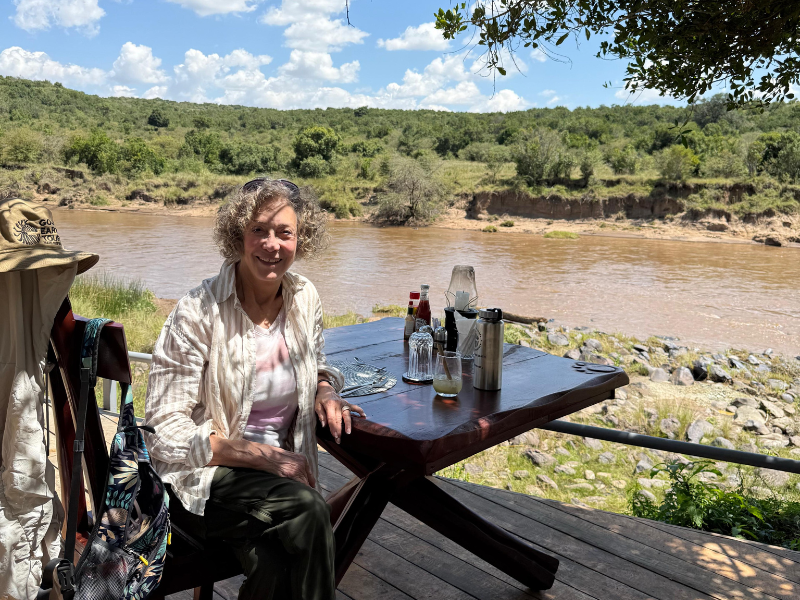
Benefits of Slowing Down
Deeper Wildlife Moments
When you slow things down, you stop collecting sightings and start collecting understanding. A slow safari gives you time to notice the patterns in the bush… how a herd positions itself when it senses a wind shift, how birds sound different when something is approaching, how a single alarm call can change the entire mood of an open plain.
More time in one spot also gives guides the chance to predict (and explain) movement and tracks in detail. Animals, in fact, become interesting stories, where you get to understand how creatures of the wild communicate without words, like the slightest twitch of a tail that signals irritation, or young elephants testing boundaries (while adults quietly keep guard).
Less Rushing and More Relaxing
A safari is a once-in-a-lifetime experience, so why not take it pole pole? The journey should not end before you’ve actually felt it, right?
Africa is one of the very few places that can reset your entire system (your mind, mood, and how your body holds stress), and you surely wouldn’t want to rush through it. Take every moment slowly so that the healing powers can sink in fully.
The key is to craft your itinerary in a way that restores your energy, not drains it. Keep the drives longer and the to-do lists shorter. Give yourself space between activities to allow days to flow, rather than feel stacked. Also, don’t forget to build in intentional pauses, like an hour at camp after breakfast, or a quiet sundowner without rushing back.
You will notice how each element—warm air, soft hum of insects, and sweeping landscapes—starts to feel grounding (something you can’t get on a packed itinerary 😬).
A Calmer, Clearer State of Mind
Something shifts in you when you stop moving through the bush at full speed. First, your mind slows down. Then, the mental clutter melts away. You’re no longer thinking about schedules, alerts, or what comes next. Your attention finally lands on now, and that’s exactly when the bush works its magic. Thought patterns settle. Stress softens. Your senses open wider. It is, indeed, one of the biggest takeaways of slow safaris: stepping away with a refreshed inner rhythm- calmer thinking & easier breathing.
What a Slow Safari Looks Like
Slow safaris are different, but always better.
Staying Longer in Fewer Camps
The biggest shift a slow safari makes is prioritizing depth over distance. Instead of hopping between four or five camps in a single week, you settle into just one or two. Why? Because the pole pole approach believes that staying longer gives you time to actually know a place, not just pass through it. Returning to the same area isn’t repetition, but revelation.
Longer stays also transform the experience on a personal level. No frantic packing. No dawn transfers. No “go, go, go” energy. Just slow mornings, easy evenings, and days that feel like they stretch a little wider. Campfire nights become richer, conversations deepen, and the place starts to feel less like a stop on an itinerary and more like a temporary home in the wild.
Remember, we’re focusing on giving the bush space to reveal its real heartbeat.
Walks, Village Visits, and Time to Just Be
Activities on a slow safari are not the same, either. Packed itineraries will usually cram every hour with back-to-back drives. But the pole pole approach leaves room for experiences that unfold at a gentler pace- nature walks being the most transformative here. On foot, the bush feels entirely different, more like a natural reset button.
Village visits carry the same slow, settling warmth. The mere simplicity of the setting gives your mind the pause it rarely gets. Pair with that, lots of time to just be… relaxing, unwinding, and recalibrating. It’s an experience that feels like a heavenly gift you didn’t know you needed.
Tips for Planning a Slow Safari
Choosing the Right Destinations
Prioritize destinations made specifically for slow safaris.
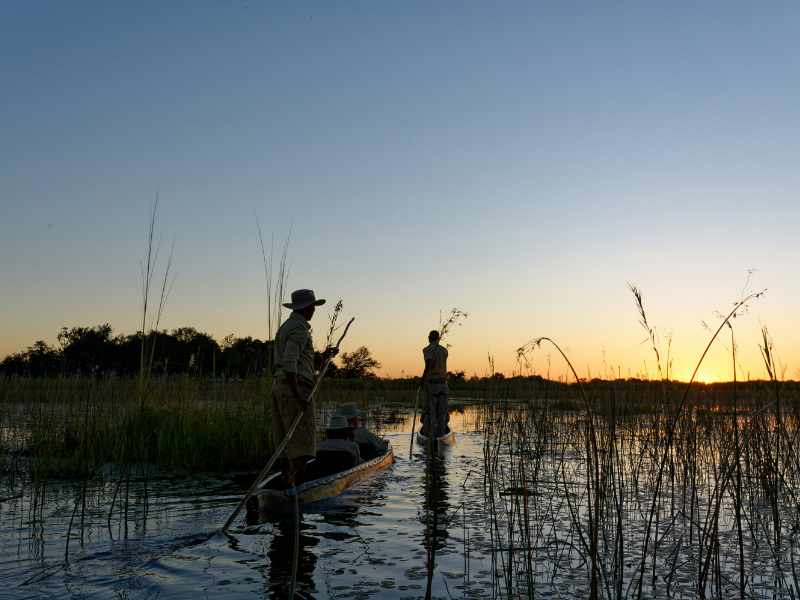
The Serengeti’s endless grasslands, for example, reveal something new every hour, even when you’re parked in the same spot. Botswana’s Okavango Delta is another masterpiece; water channels, birdlife, and soft light that shifts throughout the day. Private reserves in Kenya and Tanzania also create the perfect setting for slow exploration because the guides can tailor the experience without the rush of crowded routes.
The trick is to choose destinations where stillness is part of the charm. Places where wildlife patterns unfold naturally, where landscapes hold your attention without effort, and where you can spend long stretches soaking in views without feeling like you should be somewhere else.
How to Build a Relaxed Itinerary
Though your itinerary is meant to be tailor-made, here’s a quick “recipe” to give you a quick idea of how the pole-pole pace feels in real time…
Day 1 to 3. Settle into your first camp. Arrivals in the bush can feel overwhelming. New sounds, new air, new pace. So the first rule of a slow safari is simple: don’t rush into activities. First day, arrive and unpack, then go for a short sunset drive. Second day, hop onto one slow morning drive and return early for breakfast. Spend the next few hours unwinding. Finally, seal the day with an unhurried sundowner. Third day, try a nature walk, but keep the rest of the day simple and calm.
Day 4 to 7. Transfer to a second camp + immerse in patterns (not checklists!). Day four, enjoy a peaceful breakfast, then shift to your new space mid-morning. Day five, visit a village. Then, keep the remaining afternoon completely open (sit on your deck, watch wildlife wander, nap, write, breathe). Day 6, go for a deep-dive drive, particularly a long, slow morning drive. Day 7, a gentle goodbye. Breakfast with a view, and soak in the last scenes without scrambling for “one more sighting.”
And if all of this feels beautifully slow but a little overwhelming to plan, Good Earth Tours can help. Our team designs itineraries that honour the pole pole spirit while still covering the highlights you care about.