What Animals Are in the Big Five? Meet Africa’s Most Iconic Wildlife
When planning an African safari, one phrase you’ll hear often is “the Big Five”.
But what animals are in the Big Five, and why does everyone talk about them with such awe? From the thunderous footsteps of elephants to the silent stalk of leopards, these five creatures are the ultimate symbols of Africa’s wild spirit. Seeing the Big Five is about witnessing raw nature… the type of beauty that leaves you breathless.
In this guide, we’ll take you deep into the world of Africa’s Big Five safari animals.
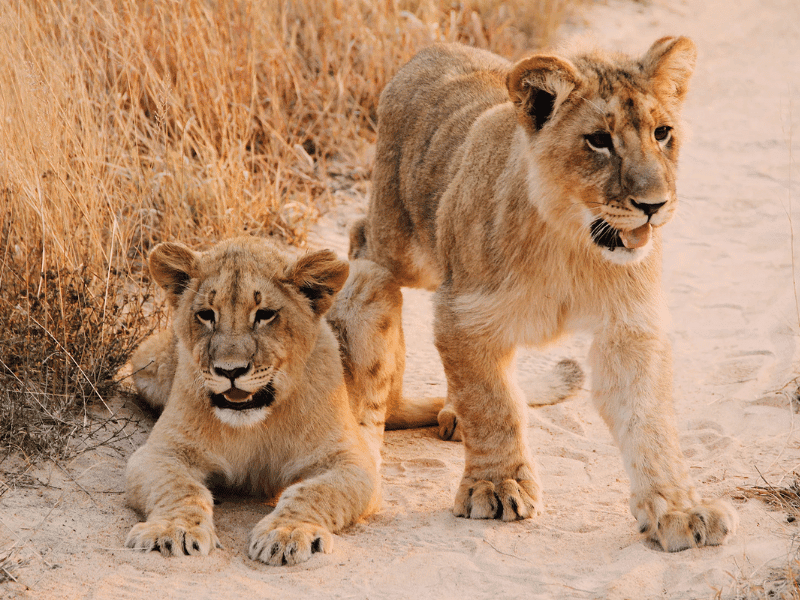
What Are Africa’s Big Five Safari Animals?
Origin of the Term “Big Five”
The term “Big Five” might sound like it came from a wildlife documentary, but its origins are far grittier. It was first used by big game hunters to refer to the five most dangerous animals to hunt on foot in Africa. These animals—the lion, leopard, elephant, rhinoceros, and Cape buffalo—were considered the ultimate trophies because of the difficulty and risk involved in hunting them.
Thankfully, today the term has evolved. Instead of bullets and trophies, travellers now carry cameras and binoculars, and the Big Five represent the top wildlife sightings on an African safari. Seeing all five on a single trip is a badge of honour for any wildlife lover.
The Big Five Animals in Africa
So, what animals are in the Big Five? They are:
- Lion
- Leopard
- Elephant
- Rhinoceros
- Cape Buffalo
Together, these animals capture the very essence of wild Africa. Raw, untamed, unforgettable.
Let’s look at these in detail in the next section.
The Big Five Safari Animals
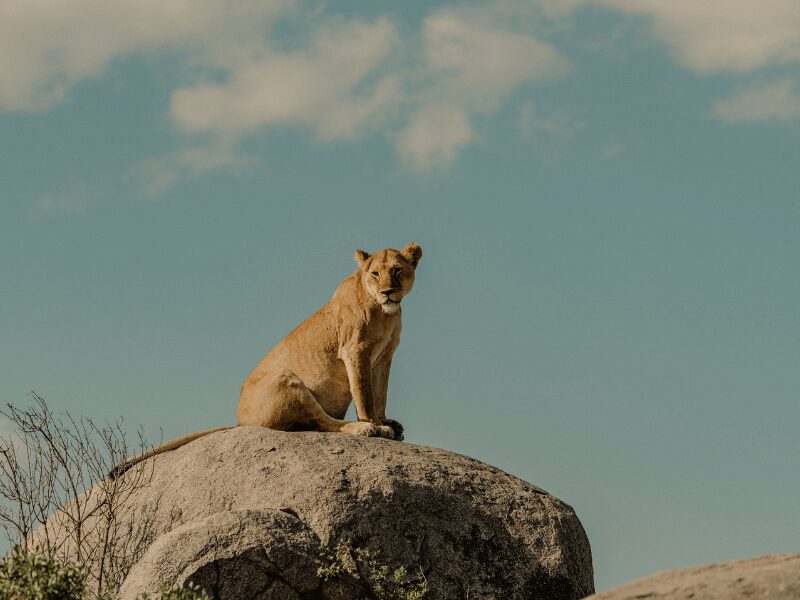
Lion
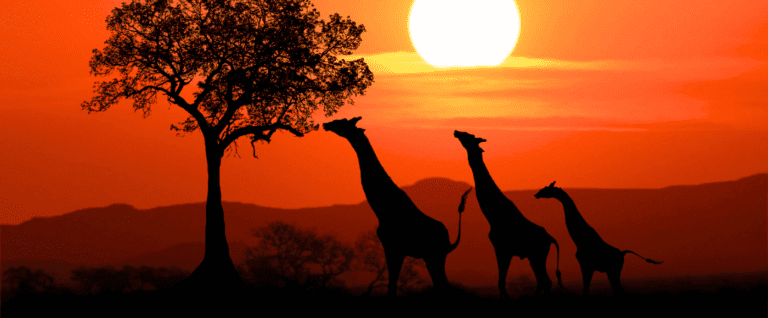
Often called the “King of the Jungle” .Lions are Africa’s most famous predators. They live in prides, usually led by a dominant male with a magnificent mane. Seeing a lion basking under an acacia tree or hearing its roar at dusk is an experience that sends chills down your spine. Lions are social cats, spending their days resting and their nights hunting in coordinated groups. Perhaps you even see the rare white lion in the wild!

Leopard
If there’s one animal that defines mystery and elegance on safari, it’s the leopard. These solitary big cats are masters of stealth. They’re often seen draped over tree branches with their spotted coats blending perfectly into the shadows. Leopards are powerful hunters, capable of carrying prey heavier than themselves high up into the trees to keep it safe from scavengers.
Uncover what differentiates the leopard from the cheetah: Leopard vs Cheetah Spotting Guide.
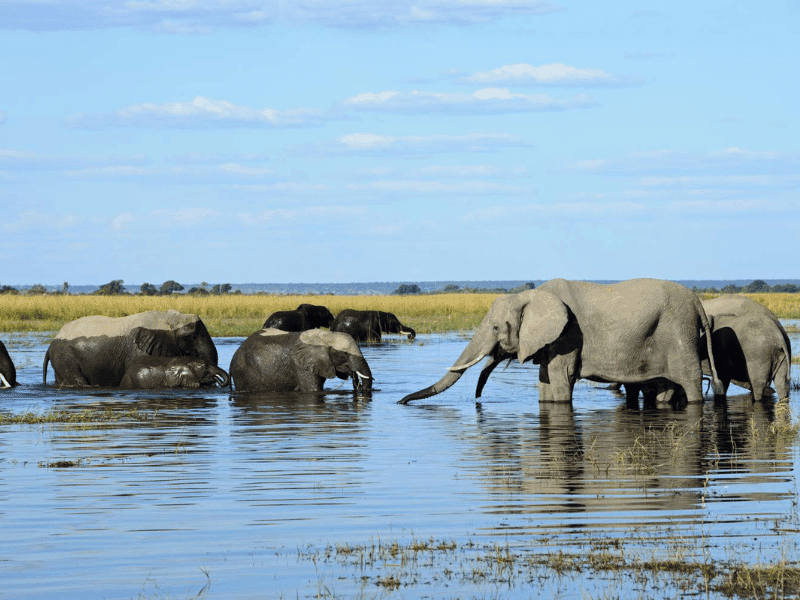
Elephant
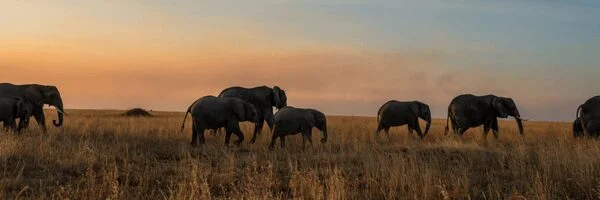
Africa’s elephants are the gentle giants of the savannah. As the largest land mammals on Earth, they can weigh up to 6,000 kg (13,000 pounds). Elephants are highly intelligent, with complex social structures and emotional bonds within their herds. Watching them move gracefully across the plains or splash in a waterhole is a moment of pure wonder on any safari.
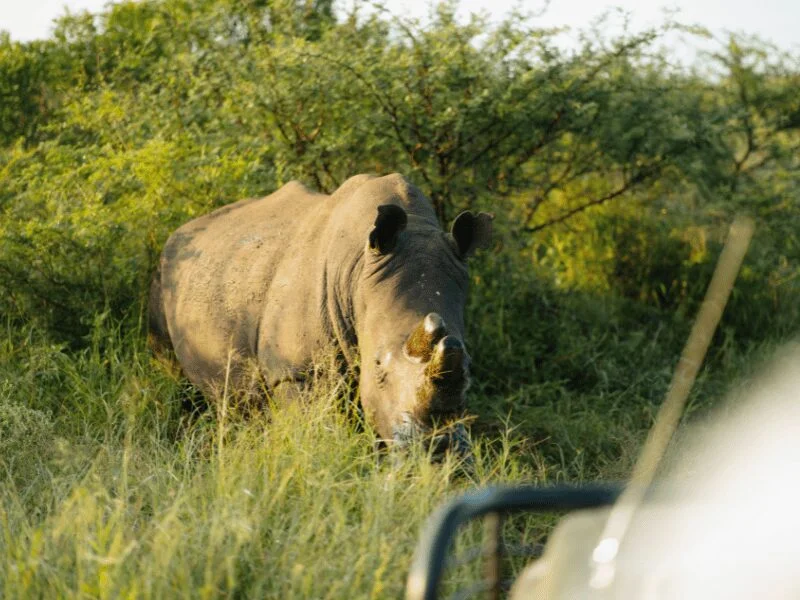
Rhinoceros
Both black and white rhinos are part of the Big Five, though they’re becoming increasingly rare due to poaching. White rhinos are larger with wide, square lips suited to grazing, while black rhinos are smaller with hooked lips perfect for browsing bushes. Despite their tough appearance and massive horns, rhinos are surprisingly shy and often prefer to stay hidden in thick vegetation.
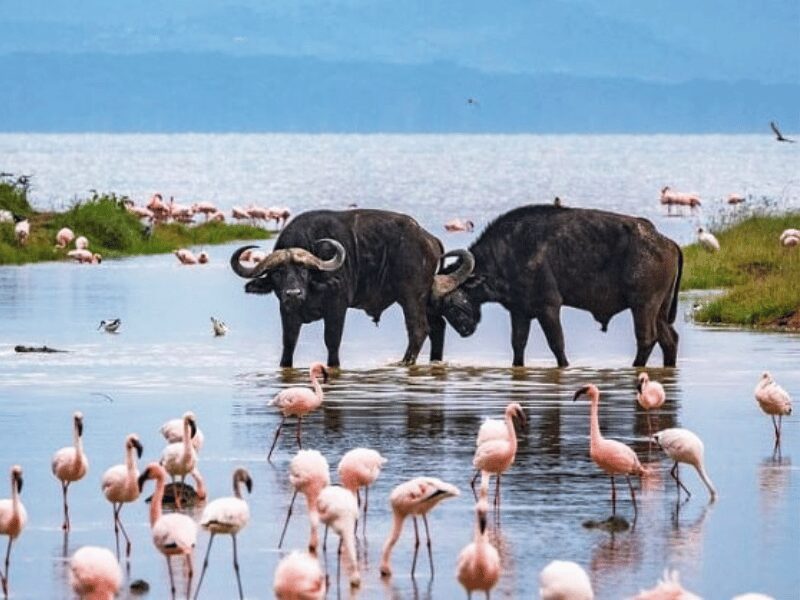
Cape Buffalo
Don’t let their cow-like looks fool you; Cape buffaloes are among Africa’s most dangerous animals. They’re known for their unpredictable nature and immense strength, earning them the nickname “Black Death”. Buffaloes move in large herds for protection, and when threatened, they will charge fearlessly. This makes them both impressive and intimidating to see in the wild.
Best Time for a Big Five Safari
The best time to see the Big Five largely depends on where you go. Generally, the dry season is ideal for wildlife viewing across Africa. During these months, vegetation is sparse, and animals gather around remaining water sources. So they’re easier to spot.
East Africa (Kenya and Tanzania). The dry seasons from June to October and December to February are the best times. In the Serengeti and Maasai Mara, these months also coincide with parts of the Great Migration, adding even more excitement to your Big Five safari.
Southern Africa (South Africa, Botswana, Namibia). Visit during the dry winter months of May to September. Cooler temperatures and minimal rainfall mean animals are concentrated around waterholes.
Tips for Spotting the Big Five on Game Drives
Seeing the Big Five in the wild isn’t just about luck – it also requires patience, knowledge, and the right approach. Here are some tips to maximise your chances:
Go with Experienced Guides
The best way to spot the Big Five is with a skilled local guide. Their keen eyes and deep understanding of animal behaviour can turn a quiet drive into an unforgettable sighting. If you’re looking for a reliable guide, let’s get in touch!
Wake Up Early and Stay Out Late
Early mornings and late afternoons are prime times for game drives. Animals are more active during these cooler hours. This increases your chances of seeing predators hunting or big herds gathering at waterholes.
Stay Quiet (and Patient)
Wild animals can be skittish. Keeping your voice low and movements minimal allows you to observe them without disturbing their natural behaviour.
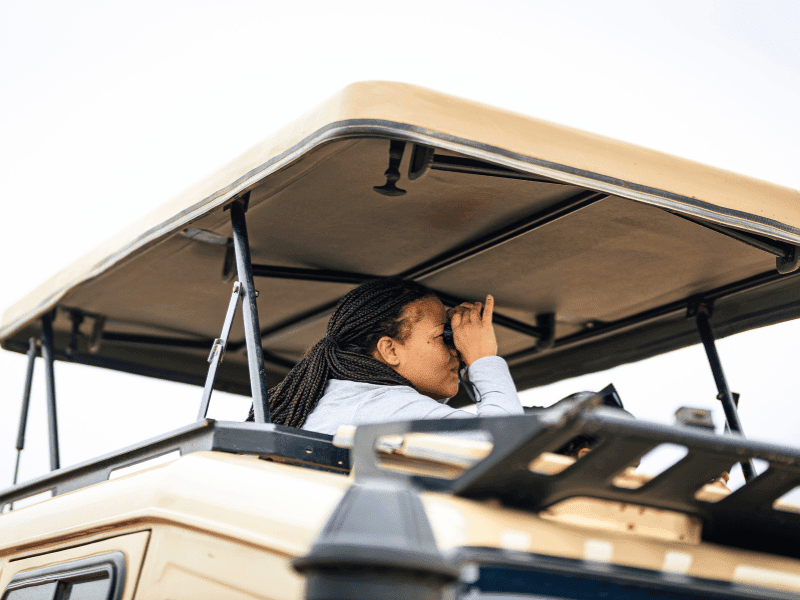
Use Binoculars
Even if you’re close, binoculars help spot leopards camouflaged in trees. A good pair enhances every game drive experience.
Scan the Trees and Bushes
While it’s tempting to look only across the plains, remember that leopards rest in tree branches, lions hide under bushes, and elephants can blend into forests. Scan high and low for the best sightings.
Book Multiple Game Drives
Don’t rely on a single drive to see all five. Booking multiple drives over a few days increases your chances of ticking off each animal on your Big Five list.
Why Big Five Conservation Matters
The Big Five are not just Africa’s most famous animals. They’re also some of its most threatened. From poaching and habitat loss to human-wildlife conflict, each of these iconic species faces challenges. These, in turn, put their future at risk.
Elephants and rhinos are targeted for their tusks and horns. This has led to devastating declines in populations across Africa. Lions and leopards face habitat encroachment and retaliation from communities when livestock is attacked. Even the Cape buffalo, though widespread, is impacted by habitat fragmentation.
Conserving the Big Five is about more than preserving individual species. It’s about protecting entire ecosystems. These animals play critical roles in their environments, from elephants shaping landscapes by uprooting trees, to predators maintaining the balance of herbivore populations.
Tourism also plays a major role in their protection. When travellers visit responsibly managed reserves and support conservation-focused safari companies, it creates economic incentives for local communities to protect wildlife rather than exploit it. Your safari becomes part of a bigger mission to ensure that future generations can continue to marvel at Africa’s Big Five roaming free in the wild.
Wondering if there are Tigers in Africa? Check out our blog to know more.
Conclusion
Africa’s Big Five are living symbols of the continent’s wild beauty, strength, and resilience. Whether you’re watching a lion pride at sunrise, spotting a leopard draped in a tree, or witnessing elephants march across the plains, each encounter stays with you forever.
At Good Earth Tours, we believe every safari should be about more than just seeing wildlife; it should be about understanding, respecting, and helping protect it. Ready to witness Africa’s most iconic animals in their natural habitat? Start planning your Big Five safari adventure with us today and become part of the story that keeps these majestic creatures safe for generations to come!