African safaris for seniors have become one of the most sought-after bucket-list trips for travelers in their golden years. But with so many destinations to choose from, and so many questions about comfort, safety, and cost, it can be hard to know where to start.
Not to worry. With almost thirty years of experience planning and running African safaris, many for older travelers like you, our expert team at Good Earth Tours has you covered. Below we share our most recommended destinations, honest planning tips, and everything you need to know to make your senior safari a success.With their abundant wildlife, fascinating cultures, and breathtaking landscapes,
Am I Too Old to Go on Safari?
Absolutely not. In fact, your golden years might be the perfect time. For many, the long hours in the office are behind you, and you have more time than ever to do the things you have always dreamed of. As for the travel budget, all that hard work has finally paid off. There is no better moment to start checking off experiences on your bucket list.
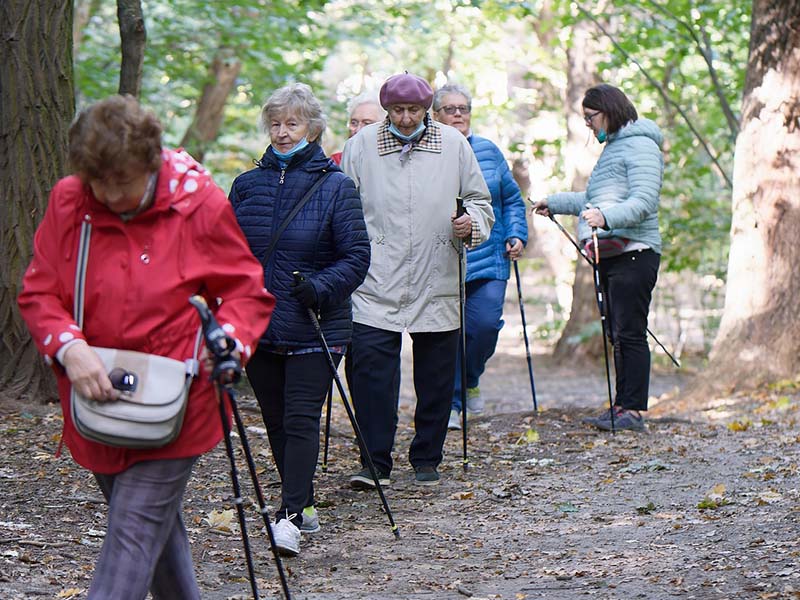
The good news is that most of the safari experience happens from the comfort of a vehicle. No strenuous activity required (unless you want it). And modern safari camps and lodges are more senior-friendly than ever, with accessible facilities, attentive staff, and itineraries that move at your pace.
How Are Safaris for Seniors Designed?
Comfort First
Comfort is the foundation of every senior safari we put together. Our handpicked lodges offer spacious rooms, walk-in showers, and soft bedding. Most are single-level, so there is no need to climb stairs or navigate tricky layouts. Many have private verandas where you can watch elephants wander past without leaving your room. Others offer on-site wellness treatments and dining served at your table.
Safari vehicles are chosen with the same care. Cushioned seats, extra legroom, and pop-up roofs for wildlife viewing without strain. Rest stops, cool towels, and refreshments are always part of the day.
A Slower Pace
There are no early wake-up calls you did not ask for, and no jam-packed schedules. African safaris for seniors move at your speed. Days begin unrushed. You might start with coffee on the deck as birds flutter past, followed by a game drive that is timed just right. There is always room to rest between activities. Take a nap, read by the pool, or simply enjoy the quiet.
Accommodations That Work for You
Where you stay makes a real difference. We look for level pathways, accessible bathrooms, and staff who genuinely go out of their way to help with luggage or special requests. No buffet lines, no standing in the heat. After a day in the bush, you come back to a space that feels restful and easy.
From Cape Town to Kenya: The Best Destinations for African Safari Tours for Seniors
So, which African safari destinations are best for senior travelers? That depends on your interests, what kind of wildlife you hope to see, and the experience you would like to have. Some countries are perfect for adventure and animal lovers, with bush walks galore. Other top destinations for a senior safari offer animal encounters and cultural experiences in equal measure. Many Africa tours for seniors will even incorporate more than one country, providing you with a more well-rounded picture of this vast continent. Ready to explore your options? Here are our most recommended African safari destinations for older adults.
Tanzania
From the Great Migration and the Big Five to the beaches of Zanzibar, Tanzania has it all. If you want to combine a classic African safari with a few days of coastal relaxation, all on one visa stamp, Tanzania is the country for you.
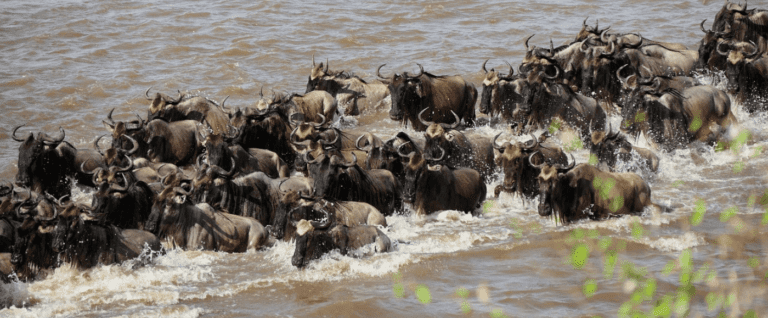
The Serengeti is arguably Africa’s premier safari destination. This 5,700-square-mile national park, a UNESCO World Heritage site, hosts the continent’s largest lion population and the vast majority of the Great Migration, where more than 1.5 million wildebeest and 250,000 zebra thunder across the plains throughout the year. Unlike Kenya, where the migration passes through only from late July to early November, Tanzania’s Serengeti plays host to it almost all year round, giving you much more flexibility when planning.
Almost as impressive is the neighboring Ngorongoro Crater. This gigantic intact volcanic caldera, the largest on the planet, collapsed in on itself after an enormous explosion some three million years ago. Today, the crater is a UNESCO World Heritage site, along with the adjacent Olduvai Gorge, nicknamed the “cradle of humankind.” This natural enclosure also hosts around 25,000 large mammals, including the Big Five, making it possible for seniors to spot all five animals in one day.
Lastly, we can’t talk about Tanzania without mentioning Mount Kilimanjaro. The globe’s biggest free-standing mountain and the tallest peak on the continent, this sleeping, snow-capped volcano towers 19,340 feet (5,895 meters) above sea level, earning it the nickname of the “Roof of Africa.” Luckily, you don’t have to scale its lofty heights to experience its awe-inspiring beauty. On a clear day, this majestic mountain can be viewed from 100 miles or more away.
Why We Love It
- Unparalleled game viewing at the world-renowned Serengeti National Park, including the bulk of the Great Wildebeest Migration, as well as the Ngorongoro Crater.
- Heavy investment in infrastructure means top-notch accommodations, easily accessible safari destinations through major airports near Dar es Salaam and Arusha, seamless transfers and a more comfortable travel experience.
- Long stretches of lush coastline and the island of Zanzibar offer the perfect beachy bookend to any senior safari in Tanzania.
Kenya
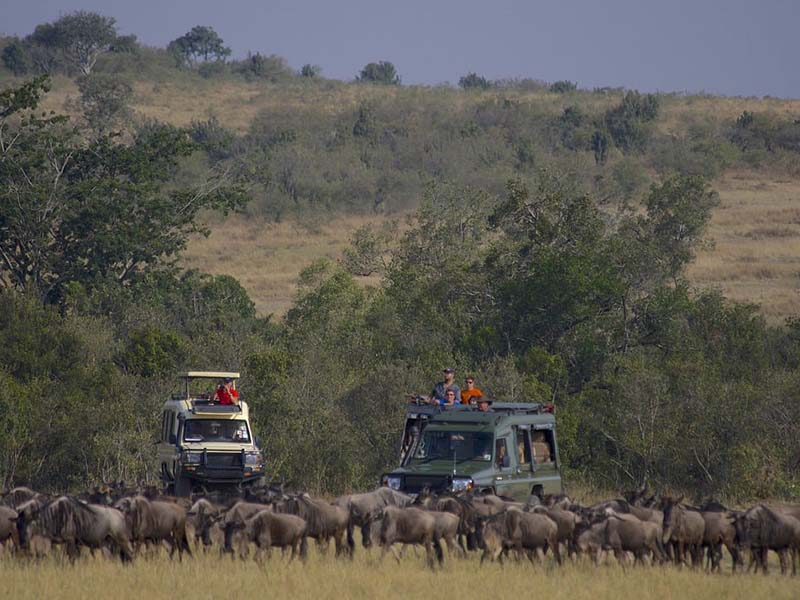
Tanzania’s neighbor to the north, Kenya is another country in East Africa that boasts all of the Big Five. It is also the only other place in Africa where you can witness the Great Migration, which rumbles through the Masai Mara National Reserve from late July through early November. For this reason, the Masai Mara is right up there with the Serengeti when it comes to Africa’s best senior safari destinations. In fact, in a few aspects, it is even better. Due to the reserve’s much smaller size, only 585 square miles (1,510 kilometers) by comparison, the year-round concentration of wildlife in the Masai Mara is much greater. As a result, you can see more animals in less time during a safari here.
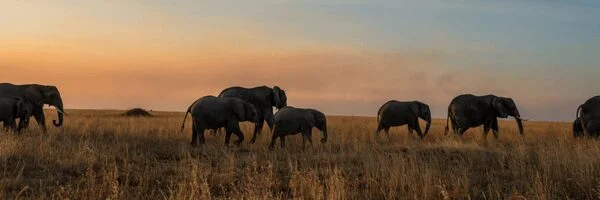
Like Tanzania, Kenya touts several safari destinations worth visiting, like the Sweetwaters Game Reserve, the Samburu National Reserve, and Tsavo National Park. Along with the Masai Mara, another must-visit wilderness area is Amboseli National Park, a compact park and UNESCO World Heritage site in the shadow of Mount Kilimanjaro famed for its impressive elephant population. Though only 151 square miles (392 kilometers) in size, Amboseli has more than 1,600 free-roaming elephants that call the park home, a precious few of which are so-called super tuskers known for their impressively long tusks. Of the roughly 25 super tuskers still alive, around ten can be found in Amboseli. Here, visitors can marvel at these gentle giants as they gather in herds of as many as 100 elephants, a sight made even more breathtaking with Kilimanjaro rising in the background.
However, wildlife isn’t the only reason to embark on a senior safari in Kenya. This East African nation together with its southern neighbor Tanzania, lays claim to one of the continent’s most fascinating (and famous) tribes: the Maasai. Known for their colorful culture and traditions, their distinctive dress, their incredible height, and their reputation for being as friendly as they are courageous, the Masaai are pastoralists, meaning that they move their homes and livestock according to rainfall and grazing opportunities, and the guardians of the Masai Mara. Many Kenya safaris include a visit to a Masaai village, offering a captivating glimpse into nomadic life on Kenya’s plains.
Why We Love It
- Outstanding opportunities for wildlife viewing, including the Masai Mara (and the Great Migration) and the elephants of Amboseli National Park.
- Rich cultural experiences like visits to a Maasai village.
- Extensive development means that areas are easily accessible; however, due to the vast distances between wilderness areas, flying between locations may be preferred.
- Access to luxury lodges and renowned conservation outposts like the Giraffe Centre and Sheldrick Wildlife Trust.
South Africa
When it comes to the top locations for safaris for seniors, South Africa is the cream of the crop, with ruggedly beautiful wilderness areas teeming with the Big Five, verdant vineyards home to some of the best wines in the world and vibrant cultures rich in fascinating traditions. Best of all, a fantastically developed tourism infrastructure network makes experiencing South Africa a breeze, and a must for seniors on safari.
No trip to South Africa is complete without a visit to Kruger National Park. At a massive 7,576 square miles (roughly 19,623 square kilometers) in size, Kruger National Park is South Africa’s largest wildlife sanctuary and one of the biggest game reserves in Africa. Unsurprisingly, it’s a must-see destination for many travelers passing through Southern Africa—a well-deserved title, to be sure! Most notably, Kruger offers the widest array of large-mammal species of any African game reserve, a huge selling point for animal-loving seniors. It is also very accessible, with paved roads throughout. (Intrepid adventurers can even explore the park independently with a self-drive safari.)
That said, its extensive size and roadway system come at a cost. Although the park’s significant sprawl gives all those elephants, rhinos, lions and leopards plenty of room to roam, it also means they have more places to hide away from visitors, further compounded by Kruger‘s paved roads. While these smooth streets are much more enjoyable to ride on than bumpy dirt or stretches of grass, the consistent traffic they see often causes wildlife to give them a wide berth. Luckily, savvy senior traveler’s (like those who travel with Good Earth Tours) can enjoy the best of both worlds by including a visit to one of Kruger National Park’s private game reserves, like the popular Sabi Sands Game Reserve. Here, senior safari-goers can experience all the perks that a Kruger safari offers, like Big 5 sightings, but with fewer fellow traveler’s and exclusive opportunities like walking safaris and nighttime and/or off-road game drives.
After all those animal encounters, there is no better way to unwind than to visit South Africa’s Cape Winelands and the coastal city of Cape Town. Located an easy flight away, Cape Town has something for everyone, whether dramatic mountains, relaxing beaches, lush vineyards, decadent culinary experiences or bustling city life. That’s right—Cape Town isn’t just South Africa’s capital city. The Cape Winelands is also one of the world’s greatest wine capitals, with around 2,700 wine grape farmers, more than 20 wine routes and five wine regions. Add in other incredible activities like biking, whale watching and hiking, and Cape Town is the perfect bookend for any South Africa safaris for seniors.
Why We Love It
- Exceptional game drives through Kruger National Park and its surrounding private game reserves.
- Cosmopolitan Cape Town and the greater Cape Winelands offer plentiful opportunities for big-city adventures, outdoor activities, vineyard visits, coastal relaxation and a taste of South African culture.
- Easily accessible and enjoyable to get around, thanks to regular daily flights in and out of OR Tambo International Airport in Johannesburg and a well-connected system of roadways.
- A developed transportation system makes getting to other popular African safari for seniors locations nearby, like Botswana and Victoria Falls, both simple and comfortable.
Botswana
From the swampy Okavango Delta and the steamy Chobe River to the sandy savanna of the Kalahari Desert and the otherworldly salt flats of the Makadikadi Basin, Botswana is a land of stunning contrasts. This jaw-dropping diversity makes Botswana the ideal destination for travelers seeking a comprehensive, multifaceted safari experience. After all, if you’re only going to make it to Africa once, why should you confine yourself to only one of its many breathtaking settings when it has so much more than grasslands to enjoy?
A Botswana safari combines many of Africa’s most striking landscapes into one convenient trip, allowing seniors to see dusty plains and lush waterways, all alive with incredible wildlife, without ever crossing the country’s borders. What’s more, given Botswana’s location neighboring Zimbabwe and Zambia, it is even possible to add on a short visit to Victoria Falls, one of the world’s largest waterfalls, or to other nearby countries like South Africa or Namibia. If that wasn’t enough to convince you, Botswana also boasts a mild climate, regional airports that make traveling between the Okavango Delta and Chobe National Park a cinch, and some of the most luxurious and exclusive safari lodges in Africa. It sounds like it’s the perfect place for African safaris for seniors!
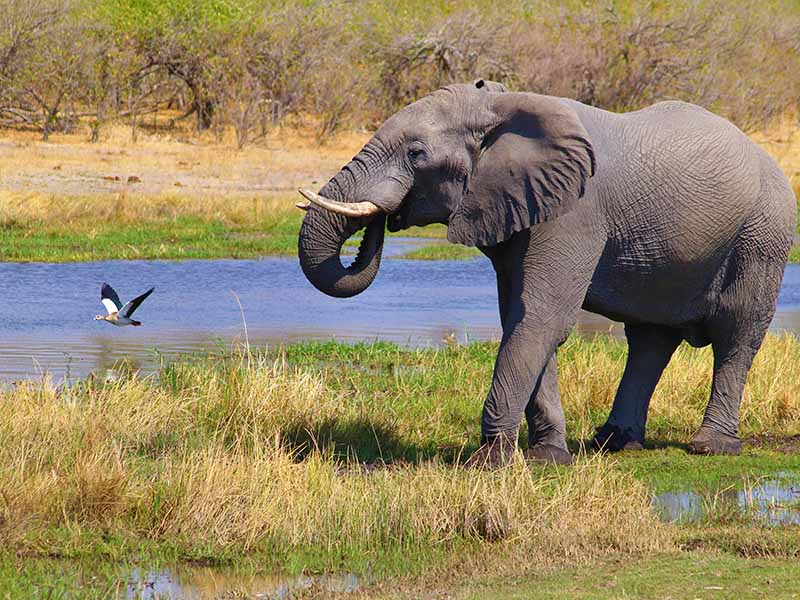
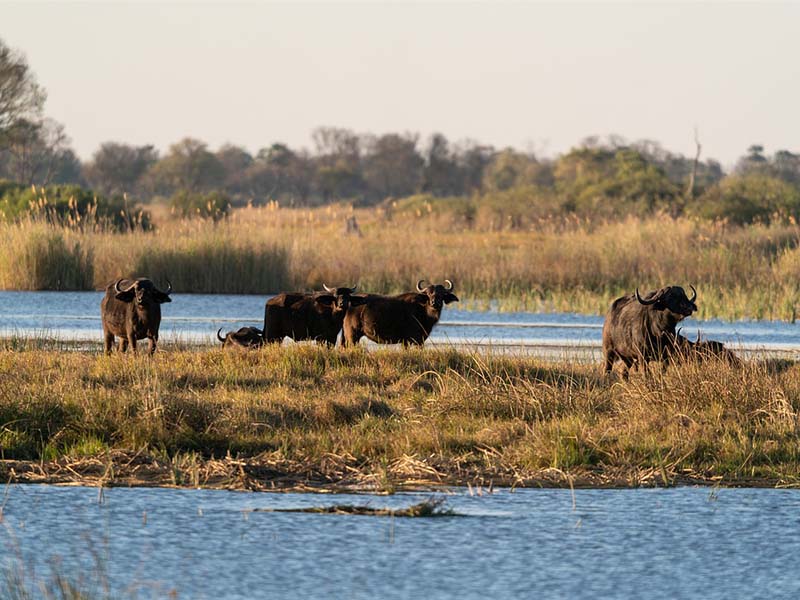
Botswana’s beauty is unparalleled, starting with the verdant Okavango Delta, a UNESCO World Heritage site largely protected by the Moremi Game Reserve. Dotted by seasonally flooded grasslands, this vast cluster of permanent swamps and winding waterways pulsates with life, namely all of the Big Five species and many, many others, including giraffes, zebras, cheetahs, hyenas, hippos, wildebeest, and more. Fueled by the mighty Chobe River, the similarly aquatic Chobe National Park is equally remarkable. Although you will find predators like lions here, at Chobe National Park, elephants are the kings of the jungle. Also called “The Land of the Giants,” this national park touts the highest concentration of elephants in Africa, at upwards of 100,000.
What makes a Botswana safari even more special, however, is the unique vantage point offered during game viewing. Along with game drives in regular safari vehicles like open-air 4x4s, travelers on African safari tours through Botswana can also take in the views from a breezy boat out on the water. Whether the crystal-clear depths of the Okavango Delta or a shimmering stretch of the Chobe, water is the lifeblood of Africa’s wildlife. And since great swathes of water are available all year round in Botswana, this senior safari destination sees scores of animals even during the dry season, making for immersive game-viewing experiences you can’t get anywhere else. And with on-the-water options ranging from motorized boats with onboard bathrooms to a traditional mokoro dugout canoe, there is something for everyone.
Why We Love It
- Unparraleled on-the-water wildlife safaris on the Chobe River or in the Okavango Delta.
- Regional airports near wilderness areas allow for convenient and comfortable fly-in safaris.
- Exclusive lodges offer a luxurious and personalised experience far from the crowds.
Victoria Falls
Nestled along the magnificent Zambezi River, Victoria Falls straddles the border between Zambia and Zimbabwe, not far from popular safari locations like South Africa and Botswana. Between its massive width of 5,604 feet (1,708 meters) and a towering height of 354 feet (108 meters), fed by five separate falls, this majestic waterfall touts the largest sheet of falling water on the planet.
Not only is Victoria Falls breathtakingly, soul-stirringly beautiful, but it’s also surprisingly easy to see during a safari through Southern Africa. Not to mention, true thrill seekers can even swim along the waterfall’s lip in Devil’s Pool during the low season, from August to December, even if they have only adequate swimming skills. As for other ways of experiencing the Zambezi River and Victoria Falls, you’re limited only by your sense of adventure and the amount of time you have in the area, with activities like helicopter rides, whitewater rafting, ziplining, and even bungee jumping available.
Why We Love It
- Easy to combine with a trip to nearby safari hotspots like East Africa, Botswana and South Africa.
- A wide variety of viewing opportunities to match an array of interests and activity levels.
- Accommodations are available in an array of styles and budgets.
Rwanda
Africa is home to an incredible menagerie of animals. The most famous of these are the Big 5—lions, leopards, elephants, rhinos and water buffalo—which can be seen in many countries across the continent. Equally popular, though considerably harder to spot, is the mountain gorilla. Found in the misty hillside rainforests of the Congo Basin, these elusive great apes have dwindled in number since their discovery in 1902 and now count only a little more than 1,000 in their population. Fortunately, despite threats from poachers, mountain gorillas are on the rebound. Today, one of the best and easiest places to see them is Volcanoes National Park in Rwanda.
Given the mountain homes of this gorilla subspecies, a trek to see them isn’t for the faint-hearted. Some level of physical fitness is required, as you must hike through the bamboo-covered Virunga Mountains for anywhere from one to four hours or more to reach them. Still, as long as you plan accordingly, gorilla trekking in Rwanda can still be readily achievable for older clients. Having a fitness routine and investing in appropriate gear before your arrival will set you up for success. Then, once you’re on the ground, porters can be arranged to help you carry your items, and you may even be able to request a closer gorilla family at your early-morning briefing so that you don’t need to trek as far. You’ll also be happy to hear that Rwanda has the reputation of being the most accessible destination for gorilla trekking, as the trails are usually more open and easier to manage, and troops are typically located within a two-hour hike of the trailhead.
That said, be prepared to pay for convenience, as gorilla trekking in Rwanda is usually double the cost of a similar African safari experience in Rwanda. On the bright side, these mountain adventures tend to be much shorter, lasting only two or three nights, making them a quick and convenient extension to a safari through a neighboring East Africa nation.
Why We Love It
- Magnificent mountain vistas peppered with easily accessible troops of mountain gorillas.
- Easily combinable with a visit to other East Africa safaris for seniors spots like Tanzania, Kenya and Uganda.
- The country’s compact size makes travel within, as well as to and from, relatively quick and easy.
Uganda
Rwanda isn’t the only place seniors can see mountain gorillas on safari in Africa. Nearby Uganda is actually home to more than half of the world’s mountain gorilla population and two trekking locations: Bwindi Impenetrable Forest National Park and Mgahinga Gorilla National Park. Bwindi, a UNESCO World Heritage site, is the destination of choice for Good Earth Tours due to its biodiversity, as well as its significantly larger number of habituated gorilla groups (troops that have been introduced to the presence of humans and can be visited by safari-goers).
Like in Rwanda, the same physical concerns and accommodations remain for a primate-tracking safari in Uganda. In fact, in some cases, hiking here can be even more challenging, with longer treks and more variable terrain. Still, due to the nature of these wild animals, nothing is set in stone, and you could very well be in and out of the forest in only three hours. Plus, the surge of adrenaline, the thrill of the chase and the anticipation of seeing these incredible creatures are powerful motivators to keep you going. Best of all, a gorilla permit in Uganda costs significantly less than in Rwanda, ringing in at only $800 per person as of July 2024 (up from $700) rather than $1,500 for Rwanda.
Why We Love It
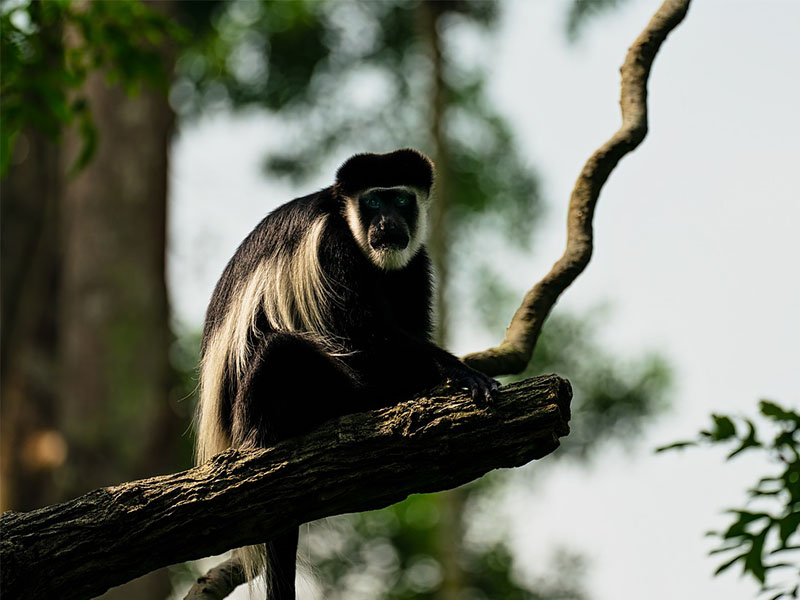
- Close encounters with a variety of primates, including mountain gorillas, chimpanzees and colobus monkeys.
- More affordable than gorilla trekking in Rwanda.
Planning Your Senior Safari: What to Know Before You Go
Choose the Right Season
The dry season, from June to October, is generally the best time for wildlife viewing. Animals gather around limited water sources, making sightings more predictable, and the weather is more comfortable. In Tanzania and Kenya, this window also aligns with the peak Great Migration river crossings.
That said, the wet season (roughly November to April in East Africa) has its own appeal: lush green landscapes, newborn animals, far fewer tourists, and noticeably lower prices. In many regions, the wet season is ideal for birdwatching and offers a more intimate, private feel. Low season, typically April to May and November to early December, is also when you will find the most meaningful savings on lodges and flights.
Health, Medications, and Travel Insurance
Talk to your doctor before departure about vaccinations, antimalarials, and any mobility concerns. Bring a detailed list of your medications including generic names, plus a brief medical history. This is invaluable in case of emergencies.
If you rely on equipment like a CPAP machine, discuss power backup requirements with your operator ahead of time. A reputable operator will be able to confirm which lodges have reliable electricity. Most high-end camps have access to a medical officer and clear protocols for emergencies.
Travel insurance is not optional. Make sure yours covers medical evacuation, which is especially important in remote wilderness areas. In the event of a serious issue, air evacuation to the nearest suitable facility can be the difference between a story you tell and a story others tell about you.
Consider a Fly-In Safari
Africa’s distances are real. It can take seven to nine hours to drive between the Masai Mara and Amboseli in Kenya, two parks that are both in the south of the country. The roads between wilderness areas are often rough, and the journey itself can be exhausting.
Fly-in safaris solve both problems. Small aircraft get you between camps in under an hour, saving your time and your body. Botswana, in particular, is built around fly-in travel, with regional airstrips near most of its major wilderness areas. If your itinerary includes more than one park or country, it is worth seriously considering.
Packing Smart
Pack light, but pack well. Neutral-colored, lightweight, and quick-drying clothing is ideal. Mornings and evenings can be surprisingly cold, so include a warm fleece or jacket. A wide-brimmed hat, sunscreen, insect repellent, and a reusable water bottle are essentials. Bring a small daypack for game drives to carry your camera, snacks, and any medications you need on hand.
Good binoculars make a genuine difference, especially for birdwatching or spotting animals at distance. Some operators provide them, so ask ahead.
Most lodges handle laundry, so you do not need to overpack for longer trips.
Do’s and Don’ts
Do:
- Choose lodges with level pathways, accessible bathrooms, and proximity to dining areas
- Tell your operator about dietary needs, medical conditions, or mobility limitations before your trip
- Travel during the dry season if wildlife sightings are your priority
- Build rest time into your itinerary between activities
- Get travel insurance that includes medical evacuation
Don’t:
Forget that most operators, including Good Earth Tours, can advocate for you on the ground. If you want a room closer to the main lodge, or a gorilla group closer to the trailhead, just ask
Overload your itinerary. Downtime is part of what makes a safari feel like a safari
Skip the binoculars
Ready to learn more about Good Earth Tours’ African safaris for seniors? Send us an email at [email protected] or give us a call at +1 (888) 848-2315 today! We can’t wait to help you plan your trip of a lifetime.
Frequently Asked Questions
What are the best safari destinations for seniors? Tanzania (Serengeti, Ngorongoro), Kenya (Masai Mara, Amboseli), South Africa (Kruger, Cape Town), Botswana (Okavango Delta, Chobe), and Victoria Falls are the most senior-friendly options, with strong infrastructure, accessible lodges, and abundant wildlife. Rwanda and Uganda are excellent additions for those interested in gorilla trekking.
What should seniors pack for a safari? Neutral-colored, lightweight clothing, a warm layer for cool mornings, a hat, sunscreen, insect repellent, binoculars, any medications, a reusable water bottle, and comfortable walking shoes. A small daypack for game drives rounds it out.
Are safaris safe for seniors? Yes. With the right operator, a senior safari is as safe as it is rewarding. Good guides manage wildlife encounters carefully, lodges are equipped for emergencies, and a well-built itinerary accounts for your pace and any accessibility needs.
What is the best time of year to go? June to October (dry season) is ideal for wildlife viewing. November to April offers greener landscapes, fewer tourists, and lower prices. The best window for you depends on which country you visit and what you most want to see.
How far in advance should I book? For peak season (July to October), especially if you are targeting the Great Migration or specific lodges, booking 12 to 18 months ahead is advisable. For shoulder season, six to nine months typically works well.