12 Cool Facts About Mozambique That Will Surprise You
Mozambique is one of Africa’s most underrated travel destinations. With its endless beaches, colorful culture, and fascinating history, this Southeast African gem has so much to offer — yet many travelers still overlook it.
If you’ve been curious about this incredible country, these cool facts about Mozambique will give you plenty of reasons to add it to your bucket list. You’ll find a mix of nature, culture, history, and experiences that go far beyond the ordinary.
Whether you’re planning your first African safari or looking to combine a beach escape with wildlife adventures, Mozambique delivers something unforgettable
Where is Mozambique in Africa?
Mozambique lies on the southeastern coast of Africa, bordered by Tanzania to the north, Malawi and Zambia to the northwest, Zimbabwe to the west, and Eswatini (Swaziland) and South Africa to the southwest. These neighboring countries share strong regional connections with Mozambique, influencing trade, culture, and travel in the area. Its entire eastern side is hugged by the Indian Ocean, giving it over 2,400 kilometers of stunning coastline (you can learn more about the geography on Wikipedia) more than enough for a lifetime of beach exploration. The coastline is defined by the Mozambique Channel, a significant maritime boundary that separates Mozambique from the island of Madagascar and serves as an important route for regional trade and shipping.
The capital city, Maputo, is a lively cultural hub full of markets, music, and mouthwatering seafood. Other major cities in Mozambique include Beira, Nampula, and Quelimane, each playing a key role in the country’s economy and infrastructure. Because of its prime location, Mozambique is often included in multi-country African safari tours that combine wildlife and beach holidays.
Interesting Facts About Mozambique
Here are 12 interesting facts about Mozambique that will both surprise and inspire you. These are the kind of stories you’ll want to share with friends long after your trip.
1. Mozambique Has Some of the World’s Most Beautiful Beaches
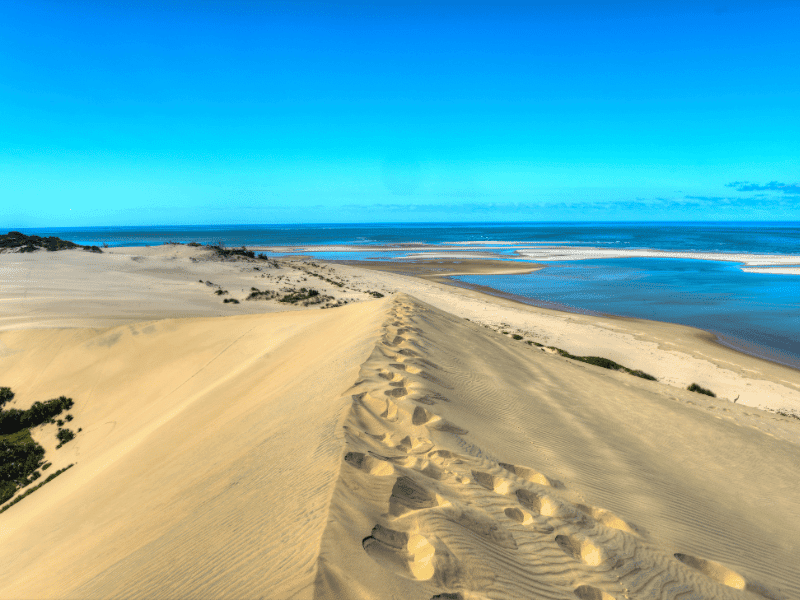
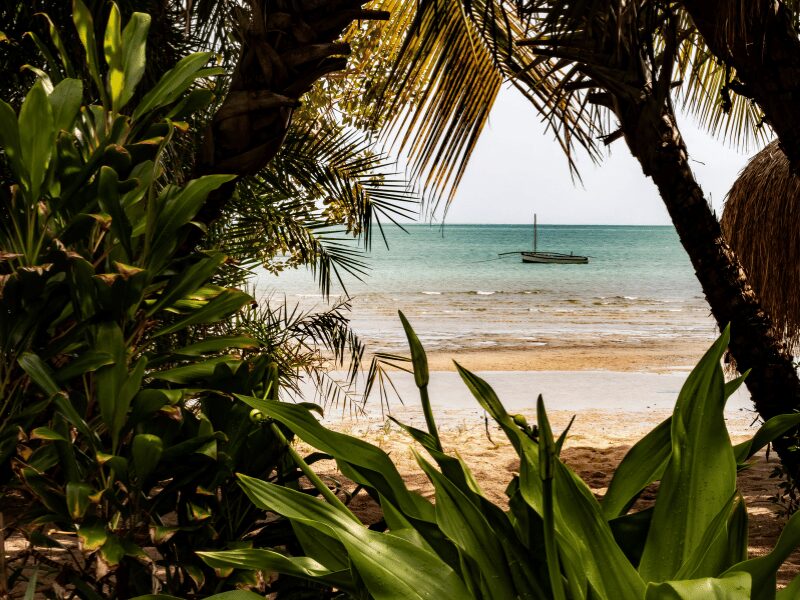
If “paradise” had a postcard, it might be the Bazaruto Archipelago or Quirimbas Islands. Picture silky white sand, crystal-clear turquoise waters, and coconut palms swaying in the breeze. These beaches aren’t just for lazy sunbathing — they’re also ideal for snorkeling, diving, kayaking, and sailing. Both the Bazaruto Archipelago and Quirimbas Islands are offshore islands that contribute to Mozambique’s unique coastal geography.
The Bazaruto Archipelago is sometimes called the “Pearl of the Indian Ocean,” and once you’ve set foot on those shores, you’ll understand why. The Quirimbas Islands, on the other hand, are dotted with tiny fishing villages where life moves at a beautifully slow pace, giving you a real glimpse of local culture. Along the coast, numerous port towns have historically dotted Mozambique, facilitating trade and cultural exchange.
2. You Can Dive with Whale Sharks and Manta Rays
One of the most exciting fun facts about Mozambique is that it’s one of the few places in the world where you can swim alongside whale sharks and giant manta rays year-round.
In places like Tofo Beach, ocean safaris offer ethical encounters with these gentle giants. You might also spot dolphins, sea turtles, and even migrating humpback whales (from June to October). This makes Mozambique a dream destination for divers and snorkelers of all skill levels.
If you’re combining your trip with a wildlife adventure, check out our guide on everything you need to know about planning a safari trip to Africa — you can easily pair the bush with the beach.
3. It’s a Cultural Melting Pot
Mozambique’s history is a fascinating mix of African, Portuguese, Indian, and Arab influences. This blend has given rise to a unique Mozambican culture, shaped by indigenous Bantu traditions, Portuguese colonial history, and the contributions of Indian and Arab communities. You’ll see this blend everywhere in urban areas, in the food, the architecture, the music, and even the way people dress.
In Maputo, you might stroll past Portuguese-style buildings, then hear the beats of traditional African drums, and end the day with a plate of spicy peri-peri prawns (a nod to Portuguese and Indian flavors). Along the coast, the historical presence of Swahili culture is evident, reflecting centuries of interaction with Indian Ocean trade networks. Arab traders played a significant role in shaping Mozambique’s history and culture, while Arab Muslims were instrumental in the development of trade and cultural exchange in the region. This fusion makes Mozambique one of the most culturally rich destinations in Africa.
4. Ilha de Moçambique is a UNESCO World Heritage Site
This tiny island in the north is packed with centuries of history. Once the capital during Portuguese rule, Ilha de Moçambique boasts some of the oldest colonial buildings in the southern hemisphere, including the 16th-century Fort of Saint Sebastian and the Chapel of Nossa Senhora de Baluarte. The island played a central role during the era of Portuguese Mozambique, serving as a key administrative and trading hub.
The arrival of Portuguese explorers, such as Vasco da Gama, marked the Portuguese entry into the region in the late 15th century. Portuguese traders soon established themselves on the island, significantly shaping its development through their control of trade routes and interactions with local communities. The island’s name itself is linked to the influential Arab slave trader Mussa bin BIQUE, who was a prominent figure in the area before Portuguese colonization. Its strategic location made it a vital center for coastal trade, connecting various cultures and economies along the East African coast.
Wandering the narrow streets feels like stepping into another era. You’ll find colorful markets, fishermen mending nets, and kids playing football on sandy alleys — it’s a living museum of Mozambican history.
5. The Seafood is Next-Level Delicious
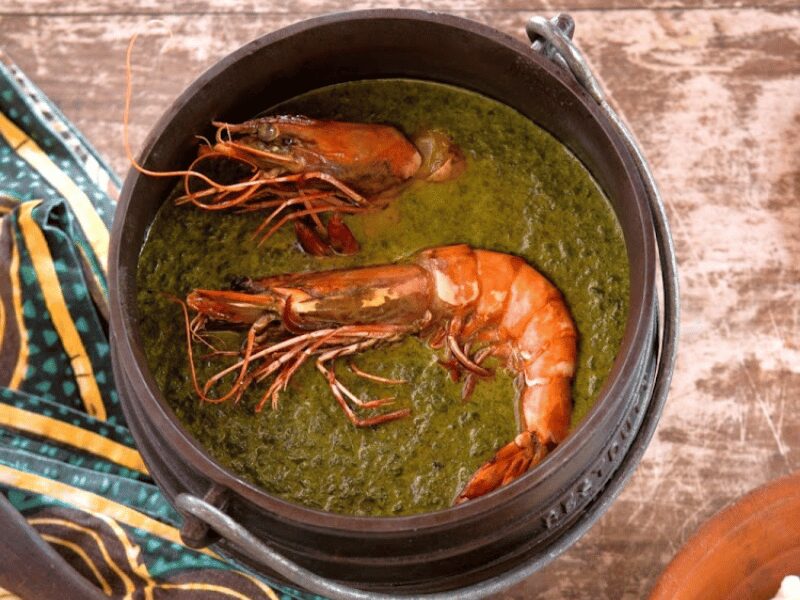
One of the most mouthwatering Mozambique facts is that the country is a seafood lover’s paradise. The famous LM prawns (named after the colonial city of Lourenço Marques, now Maputo) are grilled to perfection and served with a fiery peri-peri sauce.
Other must-try dishes include coconut fish curry, matapa (a rich stew of cassava leaves and peanuts), and freshly caught lobster. For foodies, Mozambique is as much a culinary destination as it is a beach getaway.
If you’re planning a trip to Mozambique, check out these must do activities! Top 7 Things to do in Mozambique.
6. Portuguese is the Official Language
From northern Mozambique to Southern, many visitors are surprised to learn that Portuguese is the official language here — a result of over four centuries of colonial influence. However, there are also many local languages, including Makhuwa, Sena, and Tsonga. Languages like Sena and Tsonga are spoken in the Zambezi valley and southern regions, reflecting the country’s rich linguistic diversity.
Mozambique’s population is highly diverse, with various ethnic groups and languages represented across the country. A significant portion of Mozambique’s population lives in rural areas, which influences language use and cultural practices, as rural areas often maintain traditional languages and customs distinct from urban centers.
Learning a few simple Mozambique Portuguese phrases like “obrigado” (thank you) or “bom dia” (good morning) can go a long way in connecting with locals especially when you know you are in an African continent.
7. National Parks Are Thriving with Wildlife
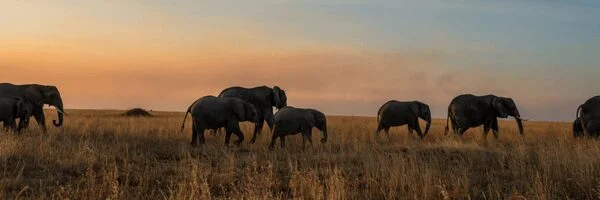
After years of restoration, Mozambique’s national parks are teeming with life. Gorongosa National Park is now one of Africa’s most inspiring conservation success stories, home to elephants, lions, hippos, and hundreds of bird species.
Maputo National Park offers something rare — you can go on a traditional safari in the morning, spotting giraffes and antelopes, and then switch to an ocean safari in the afternoon, where dolphins and turtles await. This “bush-and-beach” combination is one of the country’s most unique attractions.
8. The Indian Ocean Coastline Stretches Over 2,400 Kilometers
Mozambique’s 2,400-kilometer-long coastline is longer than California’s, making it a dream for sailors, fishermen, and island hoppers. Traditional wooden dhows (sailing boats) still glide between the islands, just as they have for centuries. Historically, this coastline played a crucial role in Indian Ocean trade, with Mozambican port towns connecting Africa to merchants from Arabia, Persia, India, and beyond.
The Quirimbas Archipelago alone has over 30 islands, many of them uninhabited and perfect for those who crave untouched beauty. The coastline, especially in the southern provinces, is sometimes affected by natural disasters such as cyclones and floods, highlighting the vulnerability of these regions.
9. Mozambique Has a Fascinating History of Independence
Mozambique’s path to independence is one of the most compelling stories on the African continent. After centuries as a Portuguese colony, the country’s fight for freedom reached a turning point in the mid-20th century. The capital city, Maputo, became a hotbed of revolutionary activity, with passionate leaders and everyday citizens rallying for change. When Mozambique finally gained independence from Portugal on June 25, 1975, it marked the birth of the People’s Republic of Mozambique.
However, the journey was far from over. The newly formed Mozambique government soon faced the devastating Mozambican Civil War, a conflict that raged from 1977 to 1992. This brutal civil war pitted the government against RENAMO rebels, with interference from neighboring South Africa and other countries further complicating the struggle. Despite years of hardship, Mozambique emerged as a resilient nation, proud of its heritage and its place in modern Africa. Today, visitors can explore Mozambique Island, a living reminder of both the country’s colonial past and its enduring spirit of independence.
10. Mozambique is Rich in Natural Resources
Mozambique is a country located in southern Africa that’s truly blessed when it comes to natural resources. The mighty Zambezi River flows through its heart, providing hydroelectric power and supporting vibrant ecosystems along its banks. The Indian Ocean coastline, stretching for thousands of kilometers, is lined with dazzling coral reefs and teems with marine life, making it a paradise for ecotourism and adventure seekers.
Beneath the surface, Mozambique’s land is rich with valuable minerals like coal, gold, and titanium, attracting foreign investment and fueling the country’s economy. In recent years, vast reserves of natural gas have been discovered in the Rovuma Basin, positioning Mozambique as a rising star in the global energy market. The country’s tropical climate and fertile soils also support thriving agriculture, with crops like cotton, sugar, and cashews grown in both rural and coastal areas.
From the wildlife-rich landscapes of Gorongosa National Park to the tranquil shores of Lake Malawi, Mozambique’s natural beauty is matched only by its economic potential. Whether you’re drawn by the promise of adventure or the allure of untapped resources, Mozambique offers a unique blend of opportunity and wonder for anyone who chooses to visit.
11. Music and Dance Are at the Heart of Life
Music is woven into Mozambique’s soul. Marrabenta is the country’s signature style — an upbeat, guitar-driven rhythm perfect for dancing. Traditional dances often tell stories of history, nature, or everyday life, and they’re performed at weddings, festivals, and community gatherings.
If you want to truly connect with Mozambique’s spirit, join in the dancing — locals are more than happy to teach you a few moves.
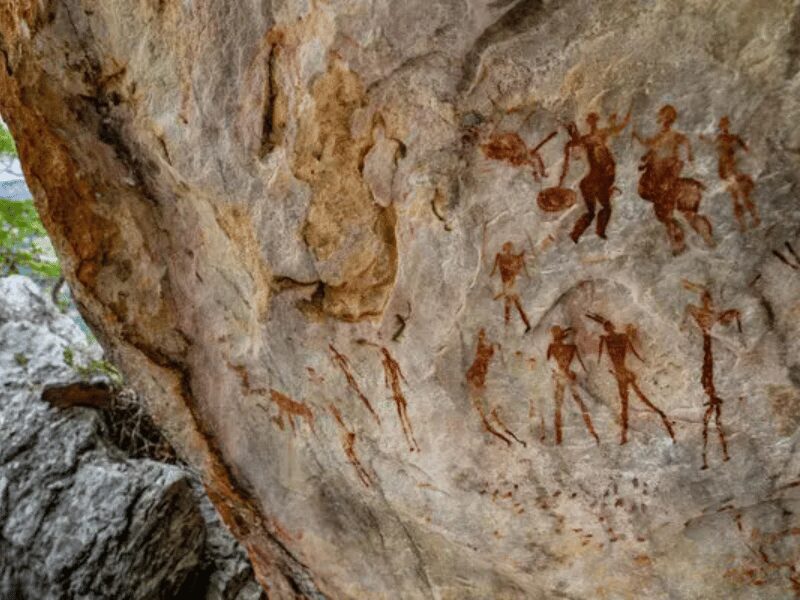
12. You Can Discover Ancient Rock Art
For history buffs, one of the most fascinating facts on Mozambique is that it’s home to ancient rock paintings. At Chinhamapere Hill in the north, you can see centuries-old art believed to have spiritual significance for local communities.
These sites are often quiet and uncrowded, offering a peaceful way to reflect on Mozambique’s deep cultural roots.
Final Thoughts
From pristine islands to cultural treasures, these cool facts about Mozambique prove it’s a destination that blends relaxation, adventure, and heritage in one.
If you’re already picturing yourself walking barefoot on white sand or diving with whale sharks, it’s time to make it happen. At Good Earth Tours, we design tailor-made trips so you can experience Mozambique at its very best — and maybe even combine it with a safari in another African country.
FAQs about Mozambique
Q1: What is Mozambique best known for?
Mozambique is best known for its beaches, world-class diving, rich cultural mix, fresh seafood, and friendly people. It is also the only country in the world with all five vowels in its name.
Q2: Is Mozambique good for safaris?
Absolutely. National parks like Gorongosa and Maputo offer incredible wildlife experiences, from elephants to rare wild dogs.
Q3: Do I need to speak Portuguese to visit Mozambique?
No, but learning a few basic Portuguese phrases can enhance your trip. Many people in tourism speak English.
Q4: What’s the best time to visit Mozambique?
The dry season from May to October offers the best weather for both beach and safari activities. Read our Best Time to Vist Mozambique blog for more details!
Q5: Can I combine Mozambique with other African destinations?
Yes! Many travelers pair Mozambique with South Africa, Tanzania, or Malawi for a diverse African adventure.