Everything You Need to Know About Planning a Safari Trip to Africa
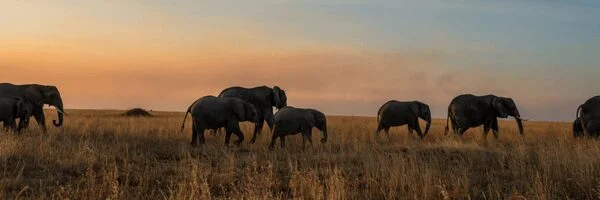
If an African safari is on your bucket list, you’re in for one of the most exciting adventures in the world. But planning a safari trip to Africa comes with questions: Where should I go? When’s the best time? How much will it cost? From tracking lions across the Serengeti or spotting elephants near Cape Town, this guide covers everything you need to know before your first African safari.
How to Plan an African Safari Trip
Planning a trip to safari South Africa or East Africa can feel overwhelming, but it doesn’t have to be. Let us help.
Choosing the Right Country for Your Safari Adventure
Each country offers something unique…
- Kenya and Tanzania: These countries are home to the Great Migration. You can expect to see the Big Five (on those classic savannah landscapes!).
- South Africa: There’s great infrastructure, malaria-free options, and accessible parks like Kruger.
- Botswana: This one’s great for exclusive, water-based safaris in the Okavango Delta.
- Namibia: Expect dramatic desert landscapes. There are plenty of options for remote adventures.
- Rwanda and Uganda: Best for gorilla trekking and rainforest wildlife.
At Good Earth Tours, we can help match your travel goals with the right destination.
Types of Safari Experiences: Self-Drive, Guided, or Luxury
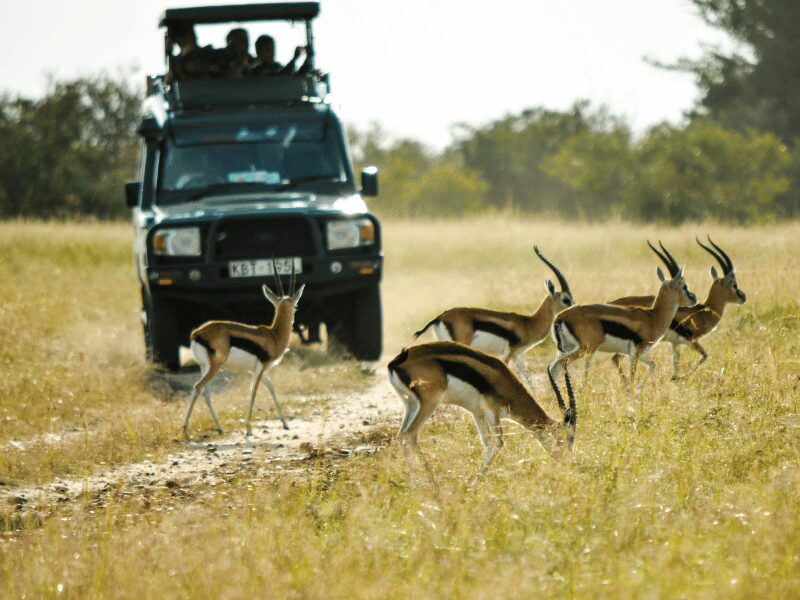
If you’re craving total freedom, a self-drive safari lets you take the wheel—literally. Perfect for thrill-seekers and budget travelers, this DIY experience is all about exploring at your own pace.
Want expert eyes and insider stories? A guided safari is your go-to. Led by experienced rangers and trackers, this option takes the guesswork out of wildlife watching. Sit back, relax, and soak in fascinating facts while your guide takes you straight to the action.
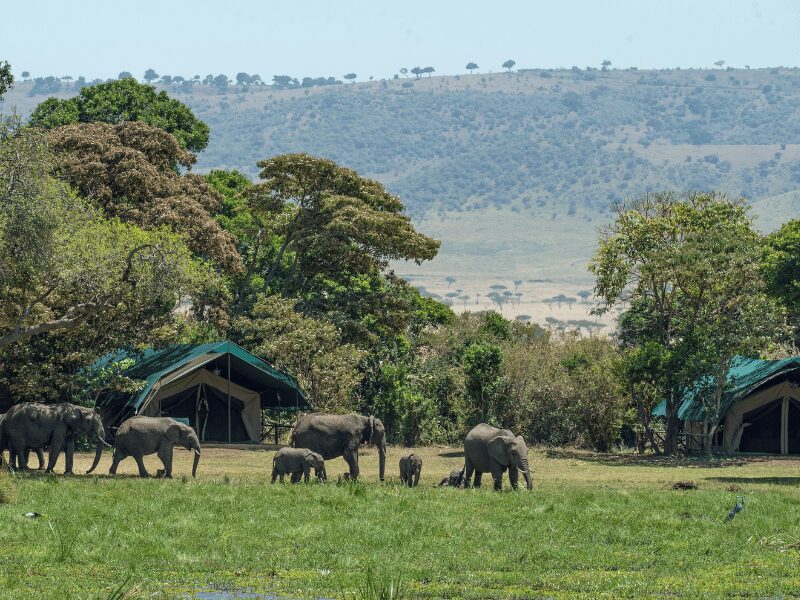
For a luxury safari, think champagne at sunset and elephants at your doorstep. A luxury safari blends wild beauty with high-end comfort. It’s safari at its most glamorous—ideal for honeymoons and bucket-list trips.
Check out more on: Types of Safaris in Africa
How Long Should a Safari Trip to Africa Be?
Most safaris range from 5 to 14 days. Here’s a general rule of thumb you can use to choose the duration of your safari:
- 5 to 7 days: Ideal for first-time safari-goers or shorter vacations
- 10 to 14 days: Best for exploring multiple parks or combining safari and beach holidays (like Zanzibar or Mozambique)
You can also add on days, especially if you’re looking to experience city tours (like Cape Town) or gorilla trekking. Check out our blog on How Far in Advance to Book an African Safari To know more.
Best Time of Year to Go on an African Safari
Weather and Wildlife Viewing by Season
- Dry Season (June to October): Peak wildlife viewing. Animals gather around waterholes, grass is low, perfect for photography.
- Green Season (November to May): Lush landscapes, baby animals, fewer tourists, and lower prices. Ideal for birdwatching.
Peak vs. Off-Peak Travel: Pros and Cons
If you visit during the peak season, you can expect the best of wildlife viewing. The weather is also relatively stable. However, you’ll be paying higher prices, and popular lodges sell out early.
When traveling during the off-peak season, you can catch lower rates and also fewer crowds. The scenery is beautiful when there’s little rush. However, it can be harder to spot wildlife in thick vegetation.
When to Visit Popular Parks
Ideally…
- Masai Mara (Kenya): July through October (for Great Migration)
- Serengeti (Tanzania): June to July (for the Migration), January to February (for calving)
- Kruger (South Africa): May through October (the dry season)
How Much Is a Safari Trip to Africa?
Average Safari Costs by Region and Experience Type
- Budget Safari: $150 to $500 per person/day
- Mid-Range: $1000 to $4000 per person/day
- Luxury Safari: $4000 to $5000+ per person/day
Regionally, you can expect:
- South Africa: Budget-friendly, great self-drive options
- Kenya/Tanzania: Moderate to high, best for classic safaris
- Botswana/Namibia: More exclusive, higher prices
Hidden Costs to Be Aware Of
Some costs that your safari will not cover, and you should be mindful of, include:
- Tips: For guides and camp staff ($10 to $20 per day)
- Transfers and flights
- Visas and vaccinations: Depending on destination
How to Budget for an African Safari Trip
If you want to save some $$ while booking your safari, here are some tips you should keep in mind.
- Book 6 to 12 months in advance for best rates
- Travel during shoulder season for more value
- Opt for mid-range camps with shared game drives
- Consider combo deals (e.g., safari + beach)
Learn more about safari costs: How Much Does an African Safari Cost
What to Pack for an African Safari
Essential Safari Gear and Clothing
- Neutral-colored clothing (khaki, olive, beige)
- Lightweight, breathable fabrics
- Long-sleeve shirts and pants (for sun and insect protection)
- A wide-brimmed hat, sunglasses, and sunscreen
- A warm layer for early morning game drives
Camera and Tech Tips for Capturing Wildlife
- DSLR or mirrorless camera with zoom lens (200–400mm)
- Extra memory cards and batteries
- Binoculars (at least 8×42)
- Waterproof gear bags
Health and Safety Items to Bring Along
- Insect repellent with DEET
- Malaria medication
- Basic first-aid kit
- Reusable water bottle and electrolyte tablets
- Copies of travel insurance and health documents
Read more: African Safari Safety Tips
Watch this video if you would love to know how to plan your safari around limited PTO:
Final Words…
Whatever you may be planning, Africa delivers! The key is knowing when to go, how to budget, and what to pack. At Good Earth Tours, we specialize in tailor-made safaris; let’s chat and find the safari that suits you best 😊