Safari in Botswana: The Best Activities in the Delta, Chobe, and Beyond
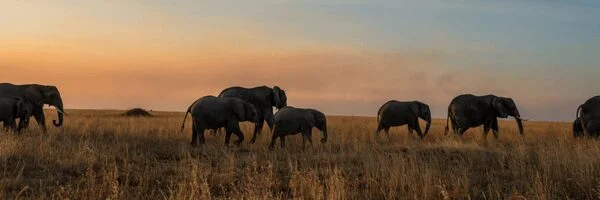
Botswana doesn’t do safaris halfway. It’s the kind of place that brings a different kind of magic. One morning, you’re gliding through the Okavango Delta in a mokoro, water lilies brushing past as elephants appear at the edge of the reeds. Another day, you’re watching massive herds gather along the Chobe River. The experiences are, in fact, as raw as possible.
Let’s explore the best things to do in the Delta, Chobe, and beyond (and why this country leaves such a lasting impression on everyone who visits).
Why a Safari in Botswana is All About the Experience
Water-Based Wildlife Viewing: What Makes Botswana Unique
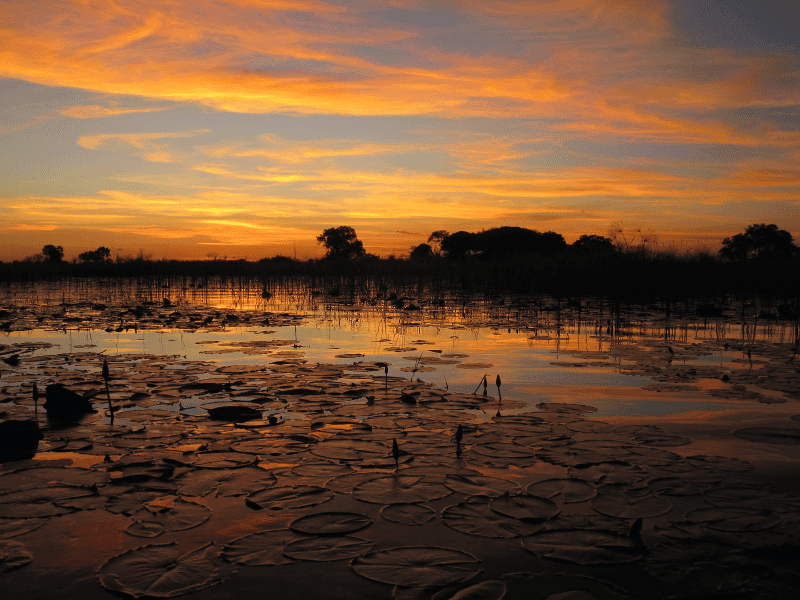
Water shapes the rhythm of a safari in Botswana. Instead of relying only on game drives, many wildlife encounters happen on rivers and floodplains. You move with the landscape, right through the environment of the animals.
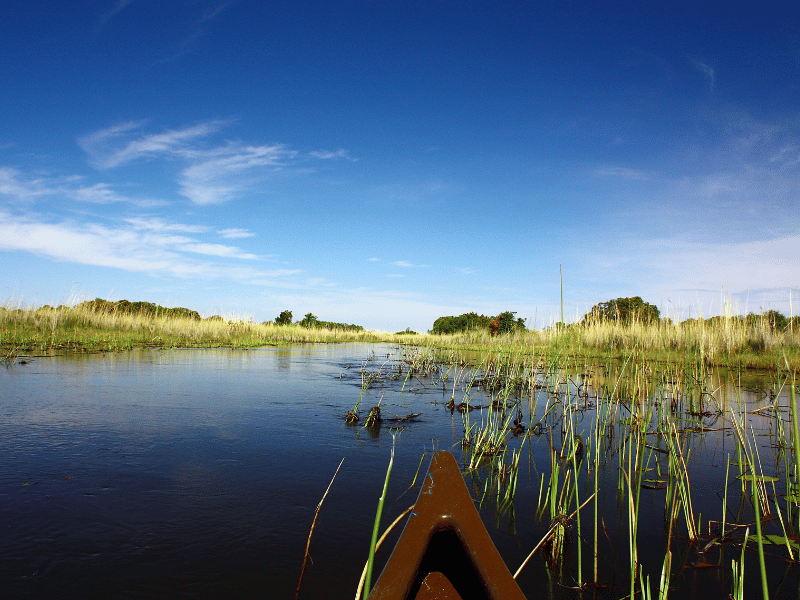
In fact, waterways replace roads entirely in the Okavango Delta. Mokoro trips and small boats slip between islands, revealing sightings you rarely see from a vehicle.
How Seasonality Changes What You Can Do
Seasonality quietly dictates every experience here. As water levels rise and fall, the landscape reshapes itself, and so do the activities. During high-water months, for example, floodplains open up, so water-based experiences take center stage, offering access to areas that are unreachable at other times. In the drier months, water recedes, and movement concentrates, meaning animals gather along the remaining water sources, and land-based viewing becomes much more consistent.
Where Safari Activities Happen in Botswana
Okavango Delta, Botswana: the Water Safari Heartland
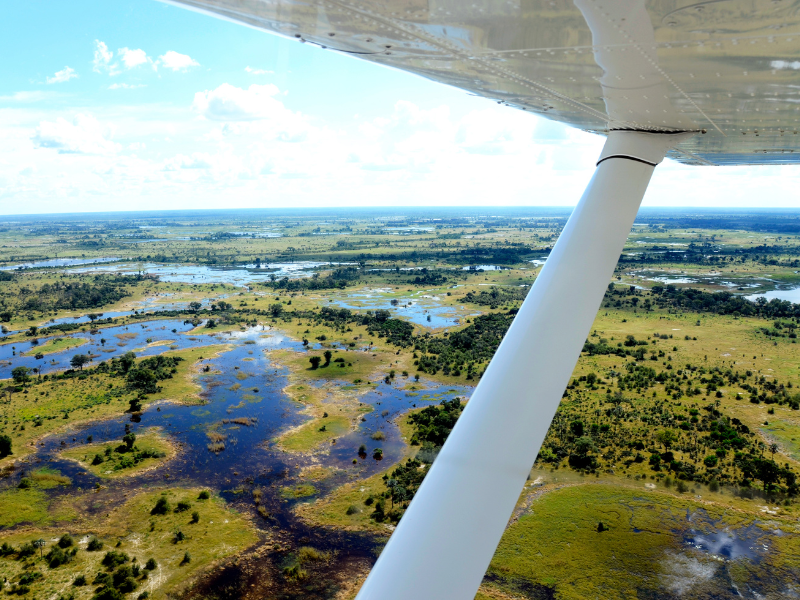
The Okavango Delta defines how a safari in Botswana works. Seasonal floods control movement, while activities are planned around water levels (not fixed routes).
- Mokoro trips navigate narrow channels that vehicles cannot reach.
- Boat safaris cover open lagoons and floodplains.
- Short island walks add a land element.
Chobe National Park, Botswana: Riverfront Action and Big Herds
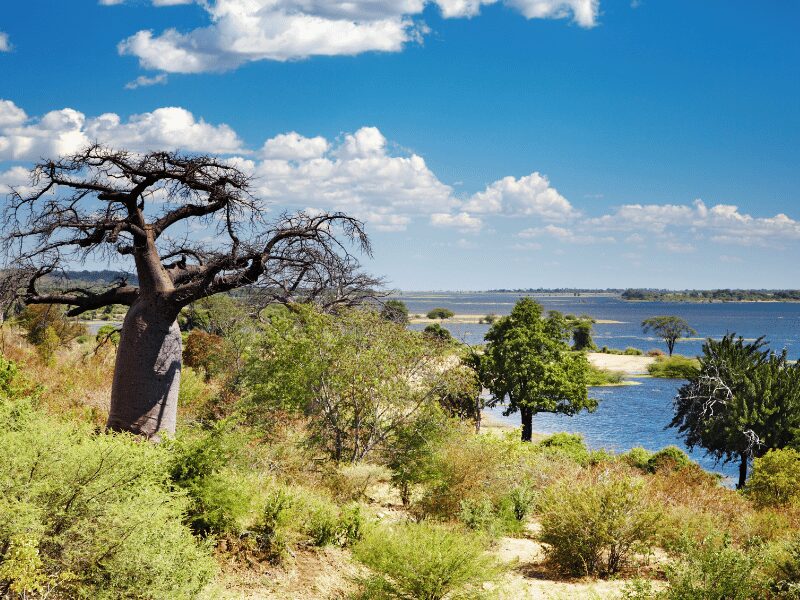
Chobe operates on density + timing. The Chobe River acts as a permanent water source, drawing animals in large numbers, especially during the dry season. Sightings are also super concentrated, with little downtime between encounters.
Makgadikgadi Pans, Botswana: A Totally Different Safari Vibe
Makgadikgadi Pans, Botswana, shifts the focus from density to space. The landscape is stripped back, which changes how wildlife viewing works.
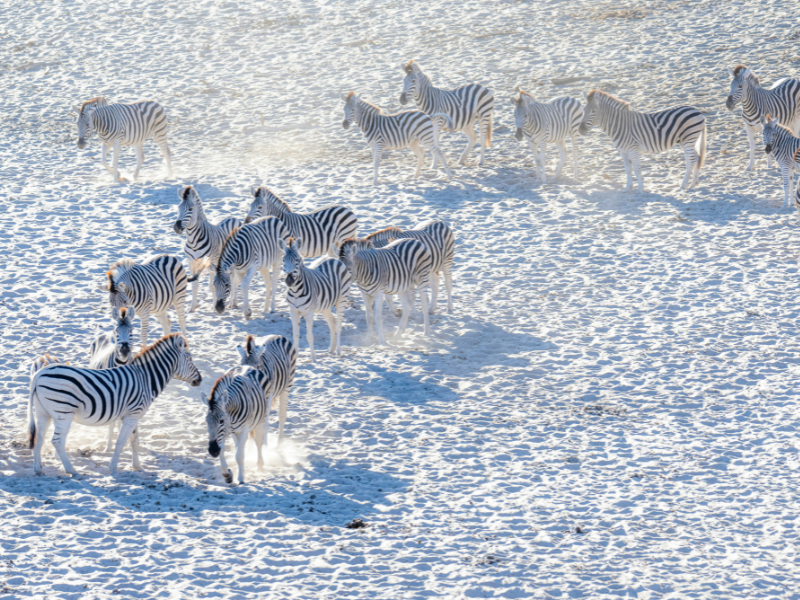
In the dry season, the pans are quiet. Movement is minimal, and sightings focus on desert-adapted species and long-distance tracking. In the wet season, the environment transforms. Grasslands return, and predators follow predictable routes across the plains.
Mokoro Safari Experiences in the Okavango Delta
What a Mokoro Ride Is (and why everyone talks about it)
A mokoro ride strips a safari in Botswana down to its essentials. No engine or tracks, just water & proximity to wildlife. A mokoro safari Okavango Delta is basically a traditional dugout canoe guided by a local poler who knows the channels by memory and water level. It’s a slow experience that gives you a lot of control and a sense of closeness.
What You Might See on an Okavango Delta Mokoro Safari
You sit low, so encounters happen at eye level and often closer than expected. Elephants, hippos, and antelopes are common, as well as birdlife, including kingfishers, herons, and fish eagles. Predators appear less frequently but with context. You may spot lions resting on islands or see tracks from the waterline during brief land stops.
Best Time for Mokoro Safaris
The best window for mokoro experiences is tied to flooding (not rainfall). Peak conditions usually run from June to September, when seasonal floods from Angola reach the Okavango Delta and water levels are stable. Earlier months can still work, but access depends on local water depth and camp location.
Boat Safaris in Botswana
Okavango Delta Boat Safari Experiences
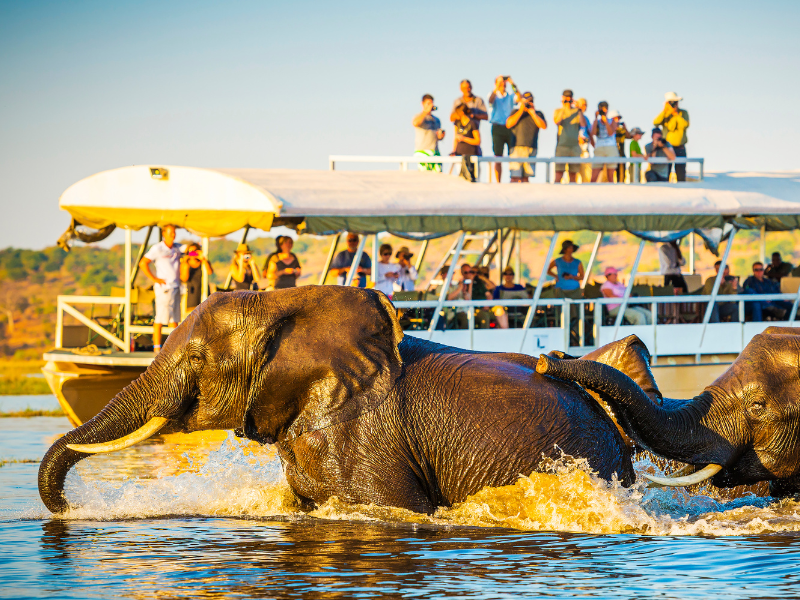
A wider, more dynamic way to explore the Delta’s waterways. Unlike mokoro trips, boats cover longer distances and reach open lagoons, river bends, and floodplains. It is especially effective for spotting larger concentrations of animals, as the elevated position gives a broader view of animal movement.
Chobe River Cruises: What Makes Them Special
The Chobe River attracts wildlife to one area, creating dense, reliable sightings, where elephants dominate the banks, with buffalo, hippos, and crocodiles visible for long stretches. It is one of the most consistent experiences on a safari in Botswana.
Boat Safari vs. Game Drive: How They Compare
A Botswana boat safari, again, brings wildlife to you, with animals gathering naturally along rivers and floodplains. On the other hand, game drives rely on tracking and cover more ground, which works best when animals are dispersed. Both are equally exciting, but together they give a safari in Botswana its depth.
Game Drives: The Classic Safari Activity
Game Drives in the Okavango Delta
Game drives here feel unscripted. Routes change with water levels, so no two drives follow the same path. You might be edging along a floodplain one moment, then find yourself cutting between islands right after.
These drives add contrast to a safari in Botswana, especially alongside water activities, as you’ll see plenty of animals, from lions and leopards to elephants.
Game Drives in Chobe Game Reserve, Botswana
Fast-paced and high-reward.
Wildlife is already concentrated near the river, so tracking time is minimal (and sightings stack up quickly). You’ll move between both open floodplains and woodland edges, often encountering elephants, buffalo, lions, and large herds, all in a single drive.
Morning vs. Afternoon Drives: What Changes
Morning drives focus on movement. Predators are active, and tracking is sharper. Contrastingly, afternoon drives slow down. Animals gather near water, increasing the duration of sightings. Basically, behavior replaces pursuit.
Walking Safari in Botswana: What to Expect
How Walking Safaris Work (and What’s Included)
A walking safari Botswana is slow and guide-led. You move on foot with an armed guide who explains it all as it happens. The focus shifts from collecting sightings to gaining a deeper understanding.
Where Walking Safaris are Best in Botswana
Walking safaris work best in wildlife-rich areas. The Okavango Delta is the top choice, especially on private concessions where walking is permitted, and wildlife movement is predictable.
Others include…
- Khwai Concession
- Linyanti Reserve
- Selinda Reserve
Who Walking Safaris are Best For
- Travelers aiming for immersive experiences
- People interested in animal behavior
- Repeat safari-goers wanting something more hands-on
- Photographers focused on details
Fly-in Safari Options in Botswana
What a Fly-in Safari Is
A fly-in safari Botswana uses light aircraft to move between remote camps instead of long road transfers. You land directly on bush airstrips (often inside private concessions or deep wilderness areas).
When a Botswana Fly-in Safari Makes the Most Sense
Book a Botswana fly-in safari when…
- Camps are remote
- Road transfers are long
- Visiting multiple regions in one itinerary
- Time is limited
- Accessing private concessions not reachable by road
Fly-in vs. Road: Which Fits Your Trip?
Choose fly-in if your itinerary includes the Okavango Delta or private concessions where road access is limited (or perhaps season-dependent). The benefit is that arrival times are predictable, plus you won’t lose full days to transfers.
Choose road if you’re traveling between connected parks like Chobe and nearby regions, or if you want flexibility for stops (and even budget control).
Tip- Mix both if possible. Many of the best itineraries fly into remote camps, then continue by road where wildlife density is high.
The Best Safari in Botswana Usually Combines a Few Activities
A Great Mix: Game Drives + Mokoro + Boat Safari
Game drives give you predator action. Mokoro rides sharpen details. Boat safaris reveal behavior along water edges. None is better than the other; all three work together to complete the experience.
Okavango Delta + Chobe: How to Complete Them Smoothly
Start in Chobe National Park, which is easy to reach by road from Kasane (and works well when energy is high). From Chobe, take a short charter flight into the Okavango Delta to avoid long overland transfers and drop directly into remote camps. Because activities are slower here, it’s a good fit when looking to ease yourself into the final days.
Quick Planning Tips for a Safari in Botswana
Okavango Delta Water Levels and Activity Timing
Water levels determine what you can do + how you move, which means planning around them matters more here than almost anywhere else.
Remember:
- Peak flooding runs from June to September
- High water favors mokoro and boat safaris
- Lower water concentrates animals near permanent channels
- Camp location matters as much as season, especially within the Okavango Delta
How Many Days You Need So It Doesn’t Feel Rushed
7 days work for one main region, while 9 to 10 days allow two regions with proper activity balance, and if you’re going for Delta + Chobe + one contrast area, then aim for 10 to 14 days.
Fewer than 3 nights per camp will usually feel rushed.
Ready to Plan Your Safari in Botswana?
What to Share with Your Safari Planner?
- Travel month + trip duration
- Regions you want to include (Delta, Chobe, Makgadikgadi)
- Activities you prioritize most
- Preferred pace
- Budget
Next Steps for Building the Right Itinerary
The next, and most important step, for building the right itinerary is to ping an expert tour operator. If you are interested in safaris, Read our blog on Best African Safaris 2026. We, at Good Earth Tours, take your priorities and turn them into a well-paced safari. Get in touch to start planning today 🤍