Rwanda Dance Traditions: Discover the Beauty of Traditional Rwandan Dancing
Drums echo. Feet pound the earth. Colorful skirts whirl under the sun. Rwanda dance is storytelling in rhythm and grace, not just movement. Each gesture holds history, each beat carries pride. Royal Intore warriors or graceful women’s dances, it’s a living tradition that still moves hearts today.
Let’s dive into the world where music, unity, and spirit become one unforgettable performance.
The Cultural Importance of Dance in Rwanda
Dance as a Form of Storytelling and Identity
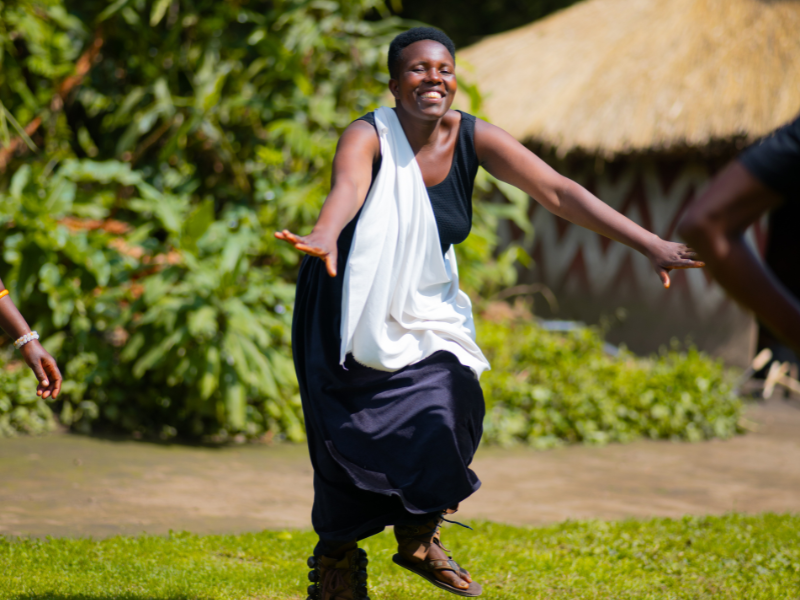
Traditional Rwandan dance is a way of preserving identity. The Intore, known as the “Dance of Heroes,” celebrates courage. Women’s dances, on the other hand, express beauty and harmony. Together, these styles form the soul of traditional dancing in Rwanda, where storytelling and pride move in perfect rhythm.
The Role of Music and Drums in Rwandan Dance
Rhythm leads the way in Rwanda traditional dances, and drums are the heart of it all. Known as ingoma, these powerful drums set the pace and emotion of every performance. They’re voices speak to the spirit of the people.
The deep, rolling beats guide dancers through each movement, and you’ll often see groups of drummers playing in harmony, their energy fueling the dancers’ steps. The tempo rises and falls, echoing the pulse of Rwanda itself. Traditional flutes and string instruments also sometimes join the drums.
Dance at Ceremonies, Celebrations, and Healing Rituals
In royal times, dancers performed to welcome guests or celebrate victory. Today, the same tradition continues at cultural events, including ceremonies and celebrations, such as weddings, harvest festivals, and national holidays, like Kwita Izina (the Gorilla Naming Ceremony). Dance is also part of spiritual healing in some communities, where rhythm and motion are believed to restore balance (and peace).
Intore: The Most Iconic Rwandan Traditional Dance
History of Intore (The Warrior Dance)
Intore, the legendary “Dance of Heroes,” is the most iconic of all Rwanda dances. This dance dates back to the time of Rwanda’s ancient kings, when it was performed by elite warriors chosen for their strength. Trained in combat + rhythm and grace, these men showcased excellent power and nobility. The dancers wore grass wigs and carried spears, moving in leaps and strikes that reflected the warrior spirit. Today, it is still performed at national events, festival events, and even weddings.
Meaning Behind the Movements and Costumes
Every gesture in the traditional dancing of Rwandan culture carries meaning…
- High leaps → bravery on the battlefield
- Sharp spear thrusts → honor and defense of the kingdom
- Open arm gestures → unity among communities
- Graceful turns → feminine strength
Costumes complete the story. Men wear grass wigs (amasunzu) symbolizing courage, paired with spears and shields for valor. Women dance in flowing imishanana dresses, their soft, fluid steps embodying elegance and peace.
Who Performs Intore Today?
Intore is now a symbol of national pride performed by both men and women across Rwanda. Today, the Rwandan traditional dance Intore is even taught in cultural schools and community centers. The most famous group, the National Ballet of Rwanda (Urukerereza), performs around the world, and many youth groups also learn Intore to keep their heritage alive at weddings.
Other Traditional Dances of Rwanda
Umushagiriro – The Elegant Women’s Dance
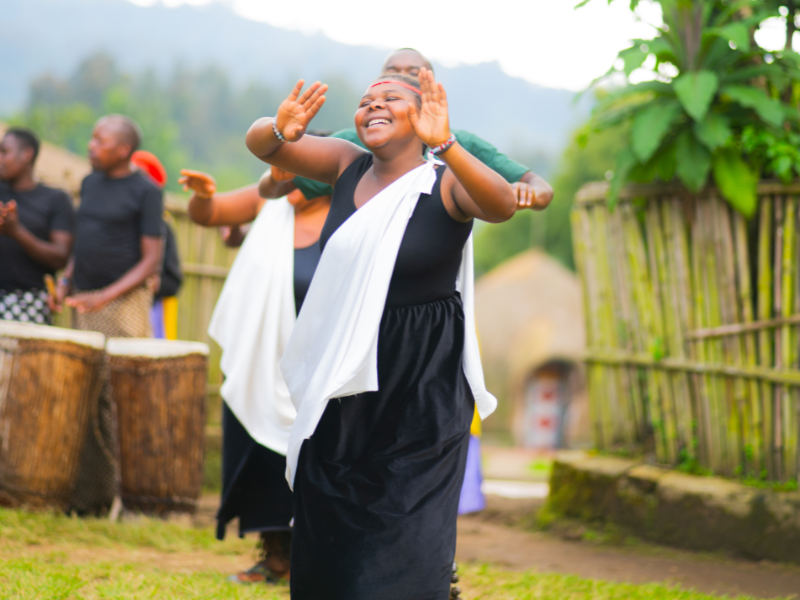
Graceful. Poised. Timeless. Umushagiriro is one of the most beautiful traditional dances in Rwanda, performed particularly by women. A counterpart to Intore that balances the warrior’s power with the woman’s grace.
Each movement is soft yet deliberate. Arms float like flowing water, and steps glide gently to the rhythm of the drums. The dance tells stories of the daily life of Rwandan women. It celebrates femininity not through words, but through refined motion.
Ikinimba – Heroic Dance Honoring Ancestors and Kings
Powerful and majestic, Ikinimba is one of the oldest Rwandan traditional dances, performed to honor great kings, heroes, and ancestors. It is a celebration of Rwandan wisdom passed down through generations.
Every movement in Ikinimba is grand and super expressive. Slow, rhythmic steps that reflect dignity. Dancers use graceful arm gestures and grounded stances to show respect. The accompanying music, filled with deep drumbeats and soulful songs, praises past rulers and legendary warriors who shaped the nation.
A tribute, and a living memory of those who built the country’s strength.
Other Regional or Community-Based Dance Forms
There’s a lot more to traditional dances in Rwanda.
In the northern regions, some dances highlight the spirit of harvest and hard work, where farmers celebrate abundance through energetic group movements. The lakeside communities in the western provinces perform dances inspired by water and fishing. They use flowing motions to mimic waves + teamwork. Meanwhile, in the southern hills, dances often focus more on storytelling and love, usually performed at family celebrations.
Rwanda’s traditional dances are definitely not confined only to the stage 😉
Where to Experience Traditional Dancing in Rwanda
Cultural Centers and Museums (e.g., Iby’Iwacu Cultural Village)
The best way to experience traditional dance in Rwanda is to see it come alive in the places that protect and celebrate it. Cultural centers and museums across the country offer immersive performances where visitors can watch, listen, and sometimes even join in!
One of the most famous is the Iby’Iwacu Cultural Village near Volcanoes National Park. Here, former gorilla guardians and local artists perform Intore, Umushagiriro, and other Rwanda traditional dances. Other spots, such as the Rwanda Cultural Heritage Academy and Ethnographic Museum in Huye, also host regular performances and workshops.
Rural village or a museum courtyard, the energy of dance always tells the same story.
Dance Performances at Lodges or Community Tours
Many safari lodges, particularly those near Volcanoes National Park, Akagera, or Nyungwe, liven up evenings with performances by local youth troupes. A once-in-a-lifetime experience where guests get the opportunity to experience the culture of Rwanda up close.
Community-based tours offer something even more special: authentic interactions. Travelers visit villages, learn the meaning behind each dance, and sometimes even join a few steps themselves.
National Celebrations and Public Festivals
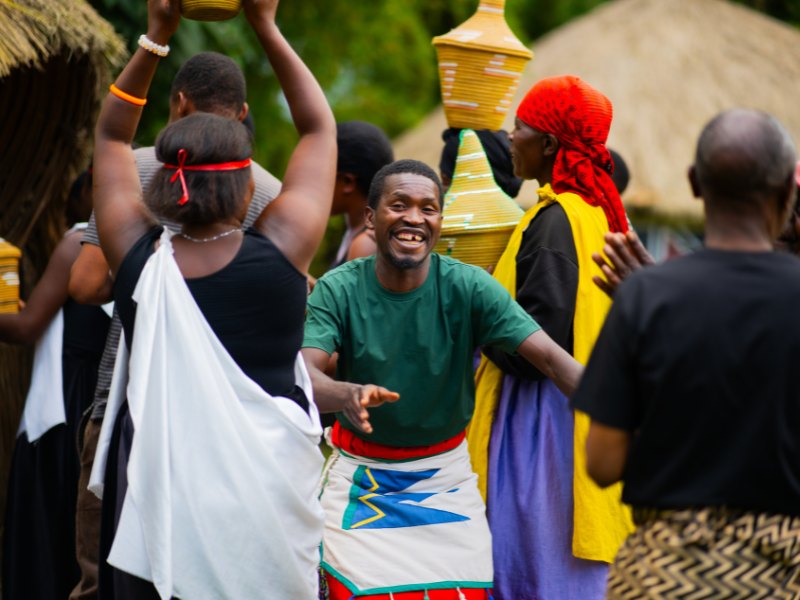
You don’t have to look far to see Rwanda traditional dance in full spirit. It’s everywhere during national celebrations. On Independence Day, Liberation Day, and Umuganura (the Harvest Festival), dancers fill stadiums and open fields. Drums roll, songs rise, and crowds cheer as performers move with power and pride.
The famous Kwita Izina ceremony (the baby gorilla naming event) also features live dance shows that honor Rwanda’s culture and conservation spirit.
Final Thoughts: Why Rwandan Dancing Should Be Part of Your Trip
Yes, Rwanda is known for its wildlife. The gorillas, the savannas, the safaris. But there’s another side to the country that moves to a different rhythm. Rwanda dance, a cultural heartbeat that immerses you in the soul of the nation like no other.
And when you travel with Good Earth Tours? You feel Rwanda. Closely. Authentically. Deeply.