

Madagascar Travel Tips
Climate
Madagascar has a tropical climate with two main seasons: the dry season (April–November) and the wet season (December–March).
-
The dry season offers warm, sunny days perfect for beach escapes, wildlife viewing, and exploring rainforests.
-
The wet season brings heavy rainfall, especially along the east coast, with lush greenery and vibrant landscapes but trickier road travel.
Temperatures generally range between 70°F–88°F (21°C–31°C) year-round, with cooler nights in the central highlands. If you’re visiting for outdoor adventures or lemur tracking, stick to the dry months for the best experience.
For more details read our Best Time to Visit Madagascar Month by Month blog.
Currency
The local currency is the Malagasy Ariary (MGA). Credit cards are accepted in most hotels and larger establishments in Antananarivo or Nosy Be, but cash is king in smaller towns and remote areas.
ATMs are available in major cities, though it’s best to carry enough cash when heading to rural regions. Bring crisp U.S. dollars or euros for easy exchange.
Language
Madagascar has two official languages: Malagasy and French. Malagasy is widely spoken, and knowing a few local phrases is always appreciated.
English is spoken in many hotels, lodges, and by guides, especially in tourist regions. In rural areas, French or Malagasy will go a long way, so consider learning a few key phrases to connect with locals.
Electricity
Electricity in Madagascar runs on 220V with a Type C or E plug (two round pins). Power outages are common in smaller towns, so it’s wise to bring a universal adapter and a portable power bank for charging phones, cameras, and other electronics.
Visas & Entry requirements
Make sure your passport is valid for at least six months after your travel dates and has two blank pages for stamps. Travelers can visit visa free for up to 15 days, though an administrative fee applies. For longer stays, 30 or 60 day visas are available on arrival.
A yellow fever certificate is only required if you are arriving from a country where yellow fever is present. Families should note that children traveling without both parents must carry written consent and a copy of their birth certificate.
Good To Know
-
Greet first. A warm “Salama” goes a long way. Greetings are highly valued in Malagasy culture.
-
Dress respectfully. Lightweight but modest clothing is ideal, especially in rural villages or sacred areas. Beachwear should stay on the beach.
-
Photography etiquette. Always ask before taking photos of people or cultural ceremonies.
-
Respect “Fady.” These are local taboos that vary by region (such as not pointing at tombs or eating certain foods). Your guide will advise you, following them shows respect for local customs.
-
Support local artisans. Handcrafted wood carvings, textiles, and jewelry are beautiful souvenirs that also help sustain communities.
Health & Safety
Mosquito protection is essential. Use repellent, sleep under a treated net and wear long sleeves in the evenings. Drink only bottled or purified water. Avoid swimming in freshwater due to the risk of bilharzia. Madagascar’s heat can be intense, so stay hydrated and apply sunscreen regularly.
When it comes to safety, keep valuables secure, avoid walking alone at night in cities and travel with reputable operators. During cyclone season, stay informed of weather advisories to avoid disruptions.
Carry digital and paper copies of your passport and key documents in case you need them unexpectedly.
Vaccinations and Medications
See a travel doctor at least a month before your trip. Routine vaccinations such as MMR, DTP and polio should be up to date. Many travelers also consider hepatitis A, hepatitis B, typhoid, rabies, cholera and meningococcal vaccines.
Malaria prophylaxis is recommended in most regions. A doctor can advise whether atovaquone proguanil or doxycycline is best for you. A small first aid kit with pain relievers, oral rehydration salts and your prescription medications is a smart addition to your luggage.
Book Your Tour Today
Your Personalized Madagascar Travel Tips Tour is Waiting
What Makes Madagascar So Magical

See Wildlife Found Nowhere Else on Earth
Over 90% of Madagascar’s wildlife is endemic, including playful lemurs, colorful chameleons, and rare birds—making it a dream destination for nature lovers and photographers.
Explore Otherworldly Landscapes
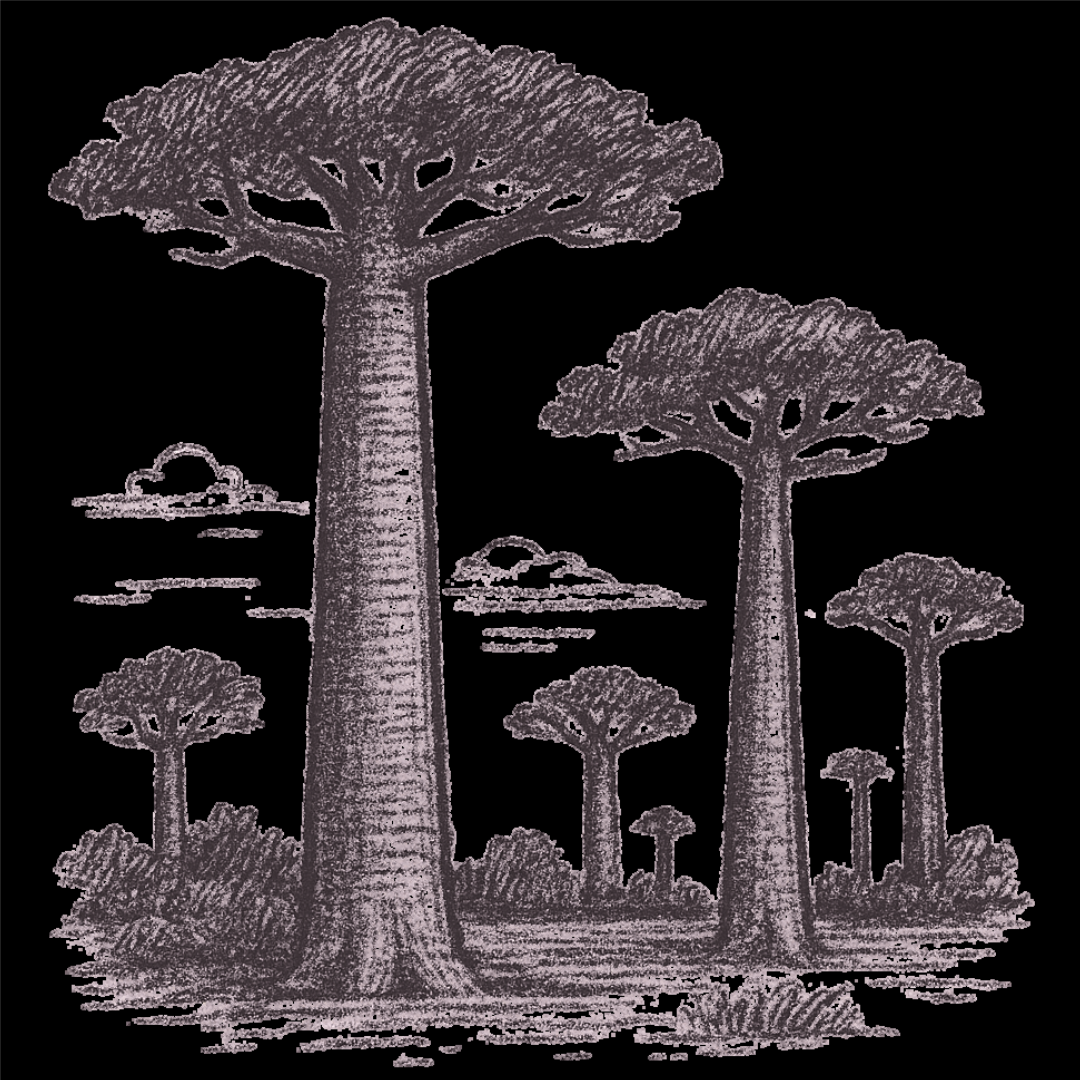
From the towering baobabs of Avenue of the Baobabs to the jagged limestone spires of Tsingy de Bemaraha, Madagascar’s natural wonders feel like something out of a different planet.

Relax on Remote, Pristine Beaches
With turquoise waters, palm-lined shores, and quiet coastal villages, Madagascar’s beaches—like Nosy Be and Île Sainte-Marie—rival any tropical paradise, without the crowds.
Hike Through Lush Rainforests
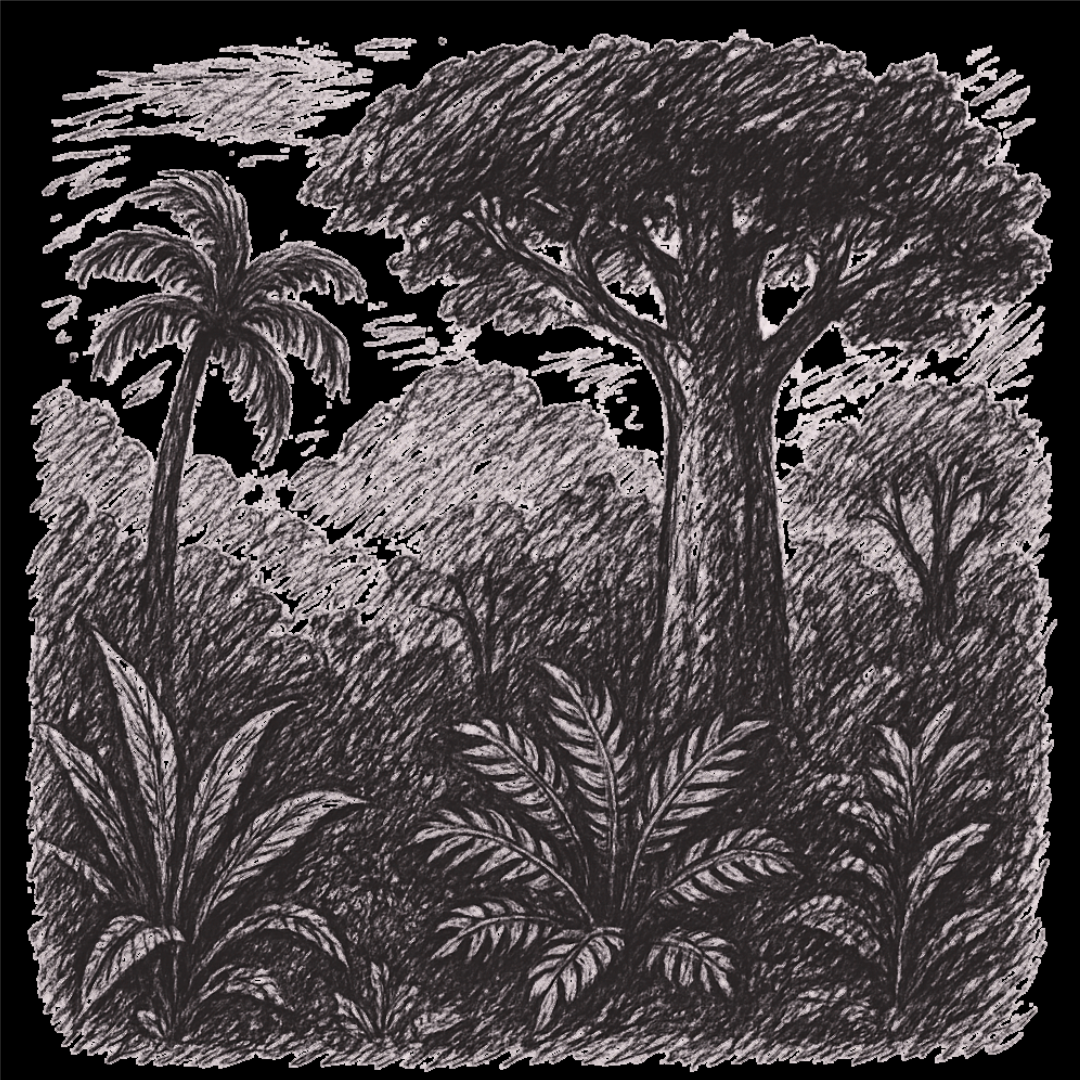
National parks like Andasibe-Mantadia and Ranomafana offer immersive jungle treks where you’ll hear the calls of indri lemurs and discover hidden waterfalls along the way.

Experience a Unique Island Culture
A blend of African, Asian, and French influences, Madagascar’s culture is rich, welcoming, and unlike anywhere else—seen through its cuisine, music, markets, and traditions.
Your Madagascar Adventure Starts Here
What our clients say when they finally stop researching and just go
EXCELLENTVerified Incredible safari and gorilla trek We just got back from a two-week safari in Tanzania with a gorilla trek in Rwanda. This was one of the best trips we've done. Good Earth Tours, Suzanne, organized everything seamlessly and the lodges they recommended were all outstanding. They also had a great support team in case we had any questions. Joshua was very attentive to us. We had a good combination of tented camps, a cottage in Rwanda, and a more upscale hotel in the Setengeti, but at all points we felt connected to nature. In Tanzania, our guide Edward went above and beyond for us! We visited Tarangire, Lake Manyara, Ngorongoro Crater, and Seregeti. Edwin new where to go to find the animals we wanted to see and he knew where to be when animals were on the move to get the best view and shots. We saw seven leopards! So many cheetahs and lions! We also did a balloon safari which provides a unique perspective of Serengeti from above. Amd the food! All the lodges had outstanding food and the staff were so friendly. I highly recommend Good Earth Tours for your safari.Posted on TripadvisorVerified THOSE WERE THE DAYS! This was our 7th trip to Africa. The others have all been cruises with safari excursions. However, this tour was the best by far. The complete immersive experience can not be topped. Of course this experience was enhanced by our expert guide, Fadhili Komba who was able to quickly spot the animals from afar and get us to them quickly. His knowledge of the animals and their backgrounds was phenomenal. Within the first 3 days we had seem the Big 5. Our pictures are spectacular and close up. #GoodEarthTours provided us with an experience that will never be forgotten. The nightly lodging was exceptional and an experience in itself. The staff at every location were friendly and very helpful. Our picnic lunches were fun to enjoy at every stop. Our 8 days on safari absolutely flew by. We had added on a flight to Zanzibar. We stayed in Stone Town the first night and The Mora Zanzibar on the beach the second night before flying home. These places were the perfect ending to a perfect African trip. Thank you so much Good Earth Tours and especially our beloved guide Fadhili Komba.Posted on TripadvisorVerified Perfection from beginning to end! Good Earth Tours planned everything perfectly and we saw everything we hoped to see and more. The lodgings were top rate, with good food and wonderful staff. Out safari guide, Rick, was outstanding! We were thrilled our entire trip and we've encourage you to consider this wonderful tour group for your own safari!!!Posted on TripadvisorVerified Great Experience My friend and I did a private 12 day East African Safari followed by four days in Zanzibar. We had two wonderful guides John and Obi who helped us get to see everything we could out of the trip. We cannot recommend enough thanks for the memories.Posted on TripadvisorVerified Unforgettable experience! My husband and I decided we wanted to go on a safari in Tanzania a couple months before our anniversary. I did quite a bit of research on options before reaching out to Good Earth Tours but we knew we were pretty last minute for peak season. We started with an inquiry and set up a phone call with Vainess. She asked us many questions on what we were looking for and got to know us. She quickly created an itinerary which consisted of 2 nights in each location (Tarangire, Ngorongoro, Central Serengeti and Northern Serengeti) with our preferences of lodging. We were able to have a fully booked safari in ~1 week! What looked overwhelming turned out to be very simple thanks to Vainess! She communicated with us frequently up to our arrival and even met with us our first day to ensure we knew what to expect and didn’t have any questions. From there on, we were on an incredible adventure with our guide, Ben whom was fantastic! He had our best interests in mind, got us in the perfect spots for wildlife viewing, and was so much fun! During the trip we saw all the wildlife we had hoped to see plus some (including multiples of the big 5)! It was incredible and thanks to the Good Earth Tours team, our trip was seamless! We felt like family and were already talking about a future trip! Thank you so much for making our anniversary trip something we will remember for a lifetime! Highly recommend!Posted on TripadvisorVerified Experience to remember forever!! It was one of the most amazing experiences! This was my second time in Tanzania. I wanted to witness the migration and I did. I did an 8 day safari. Started in Kenya with Mashari in Masai mara and saw all the big 5 in one day! Catching the lions in the middle of their meal, getting a close up of the Black Rhinos, a resting Leopard and much more. Mashari knows his stuff for sure!!. Climate change most definitely has affected the of migration across the Mara river but I was still able to experience amazing crossing with Fadhili in the Northern Serengeti. This gentleman has nearly 20 years of experience and knows every inch of the Serengeti. He took me to parts of Serengeti where I was able to have an uninterrupted and private view of lions, and leopard. No other jeeps or loud tourists around. I felt privileged to be shown around by such an experienced expert. I would highly recommend Good Earth and Fadhili. Notable mentions- Daniel- who got me my checked luggage, in the middle of Serengeti, by making God only knows how many phone calls and requests when KLM took 5 days and then refused to deliver it. Vainess- who essentially stayed on top of everything the whole time. Mashari- man of few words but an amazing guide Fadhili- he says "experience is the best teacher" and this man has had the best of the best. This is the man you want taking you around Serengeti. Best accommodation- Jackals-lair-camp. I felt privileged to share the kitchen with Chef Connor and have dinner with the manager Pascal and Chef Connor.Posted on TripadvisorVerified our dream safari Just got back from our Good Earth safari and we had a fantastic time. The communication from the very beginning was great. We had many questions planning our safari and all our questioned were answered promptly. We had a safari catered to what we wanted and it was perfect. Our guide Moses was fantastic-he put so much effort into our safari making sure we saw all the animals and that we were having a good time. I couldn't recommend him more!Posted on TripadvisorVerified Tanzania 8 day safari for a solo traveler From the planning stage through the end of my safari, everything was excellent. The personalized my safari to fit exactly what I wanted. All of the tent camps I stayed at were wonderful. My guide was warm and personable. He was also a great “spotter” which is key. I never had any concerns about safety and all of my needs were addressed quickly from landing through departure 9 days later. There are many safari groups but this one is very special.Posted on TripadvisorVerified Excellent Safari Our East African safari with Good Earth Tours was an absolutely wonderful experience from start to finish. We traveled through Kenya and Tanzania and had an incredible time. Everything was very well organized, and the entire trip went smoothly. We especially loved our guides, John (Kenya) and Elieza (Tanzania). They were knowledgeable, friendly, and respectful, not only toward us, but also toward the wildlife and the other visitors around us. Their approach made the safari feel special and responsible, and they helped us see everything we had hoped for. We also added a day hike on the Shira Plateau of Mount Kilimanjaro and a visit to Materuni Waterfall, both of which were fantastic additions to the trip. The scenery and experiences were unforgettable and gave us an even greater appreciation for Tanzania. We highly recommend Good Earth Tours to anyone planning a safari in Africa. Their excellent guides, thoughtful planning, and attention to detail made our trip truly memorable. We would happily travel with them again!Posted on TripadvisorVerified Amazing Africa Experience. Hood Earth Tours scheduled a perfect safari and Zanzibar experience. We were able to take relax days as well as long drive days as needed. We saw all big 5 animals and had front row seats for the Wildebeest migration. Our guide James was informative and helpful. A balloon ride over the Serengeti was amazing. There was a mix up on dates but james fixed it quickly. The tent camps were great. Animals walked all around us. Maasai village visit was informative.
What Makes Madagascar So Magical
See Wildlife Found Nowhere Else on Earth
Over 90% of Madagascar’s wildlife is endemic, including playful lemurs, colorful chameleons, and rare birds—making it a dream destination for nature lovers and photographers.
Explore Otherworldly Landscapes
From the towering baobabs of Avenue of the Baobabs to the jagged limestone spires of Tsingy de Bemaraha, Madagascar’s natural wonders feel like something out of a different planet.
Relax on Remote, Pristine Beaches
With turquoise waters, palm-lined shores, and quiet coastal villages, Madagascar’s beaches—like Nosy Be and Île Sainte-Marie—rival any tropical paradise, without the crowds.
Hike Through Lush Rainforests
National parks like Andasibe-Mantadia and Ranomafana offer immersive jungle treks where you’ll hear the calls of indri lemurs and discover hidden waterfalls along the way.
Experience a Unique Island Culture
A blend of African, Asian, and French influences, Madagascar’s culture is rich, welcoming, and unlike anywhere else—seen through its cuisine, music, markets, and traditions.
Your Madagascar Adventure Starts Here
What our clients say when they finally stop researching and just go
EXCELLENTVerified Incredible safari and gorilla trek We just got back from a two-week safari in Tanzania with a gorilla trek in Rwanda. This was one of the best trips we've done. Good Earth Tours, Suzanne, organized everything seamlessly and the lodges they recommended were all outstanding. They also had a great support team in case we had any questions. Joshua was very attentive to us. We had a good combination of tented camps, a cottage in Rwanda, and a more upscale hotel in the Setengeti, but at all points we felt connected to nature. In Tanzania, our guide Edward went above and beyond for us! We visited Tarangire, Lake Manyara, Ngorongoro Crater, and Seregeti. Edwin new where to go to find the animals we wanted to see and he knew where to be when animals were on the move to get the best view and shots. We saw seven leopards! So many cheetahs and lions! We also did a balloon safari which provides a unique perspective of Serengeti from above. Amd the food! All the lodges had outstanding food and the staff were so friendly. I highly recommend Good Earth Tours for your safari.Posted on TripadvisorVerified THOSE WERE THE DAYS! This was our 7th trip to Africa. The others have all been cruises with safari excursions. However, this tour was the best by far. The complete immersive experience can not be topped. Of course this experience was enhanced by our expert guide, Fadhili Komba who was able to quickly spot the animals from afar and get us to them quickly. His knowledge of the animals and their backgrounds was phenomenal. Within the first 3 days we had seem the Big 5. Our pictures are spectacular and close up. #GoodEarthTours provided us with an experience that will never be forgotten. The nightly lodging was exceptional and an experience in itself. The staff at every location were friendly and very helpful. Our picnic lunches were fun to enjoy at every stop. Our 8 days on safari absolutely flew by. We had added on a flight to Zanzibar. We stayed in Stone Town the first night and The Mora Zanzibar on the beach the second night before flying home. These places were the perfect ending to a perfect African trip. Thank you so much Good Earth Tours and especially our beloved guide Fadhili Komba.Posted on TripadvisorVerified Perfection from beginning to end! Good Earth Tours planned everything perfectly and we saw everything we hoped to see and more. The lodgings were top rate, with good food and wonderful staff. Out safari guide, Rick, was outstanding! We were thrilled our entire trip and we've encourage you to consider this wonderful tour group for your own safari!!!Posted on TripadvisorVerified Great Experience My friend and I did a private 12 day East African Safari followed by four days in Zanzibar. We had two wonderful guides John and Obi who helped us get to see everything we could out of the trip. We cannot recommend enough thanks for the memories.Posted on TripadvisorVerified Unforgettable experience! My husband and I decided we wanted to go on a safari in Tanzania a couple months before our anniversary. I did quite a bit of research on options before reaching out to Good Earth Tours but we knew we were pretty last minute for peak season. We started with an inquiry and set up a phone call with Vainess. She asked us many questions on what we were looking for and got to know us. She quickly created an itinerary which consisted of 2 nights in each location (Tarangire, Ngorongoro, Central Serengeti and Northern Serengeti) with our preferences of lodging. We were able to have a fully booked safari in ~1 week! What looked overwhelming turned out to be very simple thanks to Vainess! She communicated with us frequently up to our arrival and even met with us our first day to ensure we knew what to expect and didn’t have any questions. From there on, we were on an incredible adventure with our guide, Ben whom was fantastic! He had our best interests in mind, got us in the perfect spots for wildlife viewing, and was so much fun! During the trip we saw all the wildlife we had hoped to see plus some (including multiples of the big 5)! It was incredible and thanks to the Good Earth Tours team, our trip was seamless! We felt like family and were already talking about a future trip! Thank you so much for making our anniversary trip something we will remember for a lifetime! Highly recommend!Posted on TripadvisorVerified Experience to remember forever!! It was one of the most amazing experiences! This was my second time in Tanzania. I wanted to witness the migration and I did. I did an 8 day safari. Started in Kenya with Mashari in Masai mara and saw all the big 5 in one day! Catching the lions in the middle of their meal, getting a close up of the Black Rhinos, a resting Leopard and much more. Mashari knows his stuff for sure!!. Climate change most definitely has affected the of migration across the Mara river but I was still able to experience amazing crossing with Fadhili in the Northern Serengeti. This gentleman has nearly 20 years of experience and knows every inch of the Serengeti. He took me to parts of Serengeti where I was able to have an uninterrupted and private view of lions, and leopard. No other jeeps or loud tourists around. I felt privileged to be shown around by such an experienced expert. I would highly recommend Good Earth and Fadhili. Notable mentions- Daniel- who got me my checked luggage, in the middle of Serengeti, by making God only knows how many phone calls and requests when KLM took 5 days and then refused to deliver it. Vainess- who essentially stayed on top of everything the whole time. Mashari- man of few words but an amazing guide Fadhili- he says "experience is the best teacher" and this man has had the best of the best. This is the man you want taking you around Serengeti. Best accommodation- Jackals-lair-camp. I felt privileged to share the kitchen with Chef Connor and have dinner with the manager Pascal and Chef Connor.Posted on TripadvisorVerified our dream safari Just got back from our Good Earth safari and we had a fantastic time. The communication from the very beginning was great. We had many questions planning our safari and all our questioned were answered promptly. We had a safari catered to what we wanted and it was perfect. Our guide Moses was fantastic-he put so much effort into our safari making sure we saw all the animals and that we were having a good time. I couldn't recommend him more!Posted on TripadvisorVerified Tanzania 8 day safari for a solo traveler From the planning stage through the end of my safari, everything was excellent. The personalized my safari to fit exactly what I wanted. All of the tent camps I stayed at were wonderful. My guide was warm and personable. He was also a great “spotter” which is key. I never had any concerns about safety and all of my needs were addressed quickly from landing through departure 9 days later. There are many safari groups but this one is very special.Posted on TripadvisorVerified Excellent Safari Our East African safari with Good Earth Tours was an absolutely wonderful experience from start to finish. We traveled through Kenya and Tanzania and had an incredible time. Everything was very well organized, and the entire trip went smoothly. We especially loved our guides, John (Kenya) and Elieza (Tanzania). They were knowledgeable, friendly, and respectful, not only toward us, but also toward the wildlife and the other visitors around us. Their approach made the safari feel special and responsible, and they helped us see everything we had hoped for. We also added a day hike on the Shira Plateau of Mount Kilimanjaro and a visit to Materuni Waterfall, both of which were fantastic additions to the trip. The scenery and experiences were unforgettable and gave us an even greater appreciation for Tanzania. We highly recommend Good Earth Tours to anyone planning a safari in Africa. Their excellent guides, thoughtful planning, and attention to detail made our trip truly memorable. We would happily travel with them again!Posted on TripadvisorVerified Amazing Africa Experience. Hood Earth Tours scheduled a perfect safari and Zanzibar experience. We were able to take relax days as well as long drive days as needed. We saw all big 5 animals and had front row seats for the Wildebeest migration. Our guide James was informative and helpful. A balloon ride over the Serengeti was amazing. There was a mix up on dates but james fixed it quickly. The tent camps were great. Animals walked all around us. Maasai village visit was informative.