The Top Places to Visit in Madagascar and Travel Tips
Madagascar feels like a world of its own. Towering baobab trees, lemurs leaping through rainforests, and beaches that look like they were painted by an artist. If you’re dreaming of a trip that’s wild yet soulful, this island delivers in the most unforgettable way!
In this guide, we’ll walk through the top places to visit in Madagascar, the best time to go, and the travel tips you’ll be glad you knew before hopping on that plane.
When is the Best Time to Visit Madagascar?
Planning the right time to visit Madagascar can make a big difference to your trip. Seasons here don’t just change the weather; they change the wildlife, landscapes, and even how easy it is to get around. Here’s a simple breakdown to help you choose the perfect moment.
The Dry Season: May to October
This is the most popular time to travel, and for good reason. The weather is cooler and drier. It’s some of the best time to explore national parks. During this season, you will find it easier to hike the trails. The roads will also be more accessible. And, not to mention the wildlife. It’s incredible! Lemurs, chameleons, and other fascinating creatures are more active, making your nature encounters even more special.
If you want clear skies, comfortable temperatures, and excellent conditions for photography, the dry season is a winner.
The Wet Season (November to April)
Expect hot, humid days and scattered rain — sometimes heavy. The landscape transforms into a lush paradise, which is beautiful, but the rain can make travel a little tricky. Some roads become muddy and certain parks may be harder to access.
On the upside? This season is perfect if you love fewer crowds, vibrant scenery, and great deals on accommodation. Just keep in mind that January to March is cyclone season, especially along coastal areas.
Best Months for Different Activities
Madagascar isn’t a one-season-fits-all destination. The best time really depends on what you want to experience.
Wildlife and Lemur Spotting:
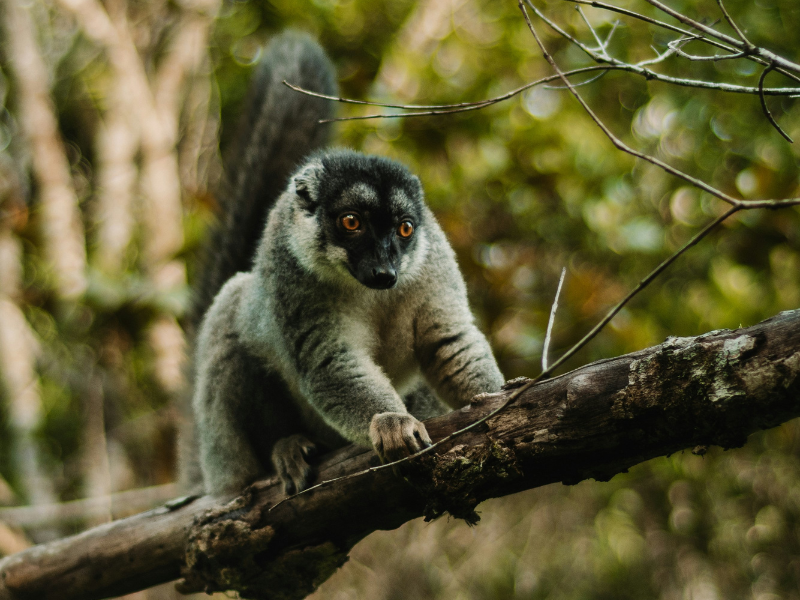
June to September is peak wildlife time. The forests are drier, and the animals living in them are more active. If seeing baby lemurs melts your heart, visit in October or November when many are born.
Beach, Snorkeling:
For postcard-perfect beaches, plan for September to December. These months are ideal for swimming, snorkeling, and boat trips around Nosy Be and other islands.
Whale Watching:
July to September is whale season, especially around Ile Sainte-Marie. You’ll have a strong chance of spotting humpback whales breaching and playing offshore.
Birdwatching:
November to December is a dream for bird lovers. Many species display their most vibrant breeding plumage, making it a colorful and exciting time for birding.
Hiking and National Parks:
May to October brings dry trails and cooler temperatures, perfect for trekking through Isalo National Park, Ranomafana, and other reserves. Views are clearer and hikes are more enjoyable.
Budget-Friendly Travel:
If you want fewer visitors and lower prices, late April, May, or November are great sweet spots. You’ll still enjoy pleasant weather, but with more relaxed crowds and better deals.
Top Places to Visit in Madagascar
Madagascar is packed with places that feel straight out of a nature documentary. Here are the top spots you won’t want to miss:
Avenue of the Baobabs
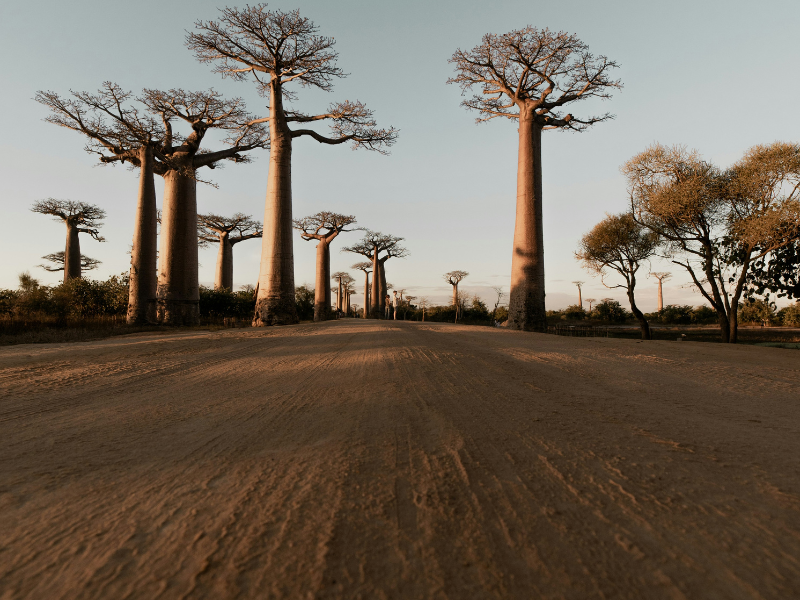
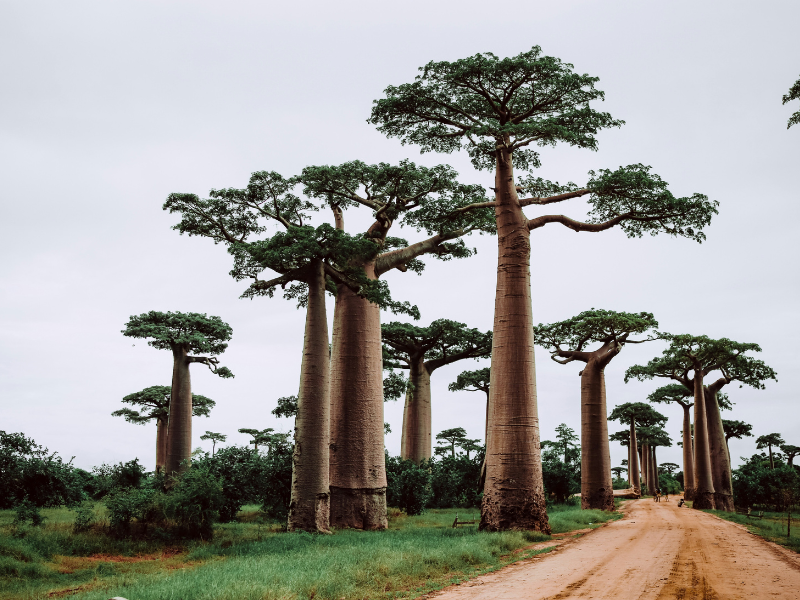
This iconic stretch of giant baobab trees is one of Madagascar’s most photographed sights. And once you’re there, you’ll see why. The towering trunks lining the dusty road create a magical scene, especially at sunrise and sunset. It’s a simple place, but the atmosphere is unforgettable. Don’t forget your camera, because every angle here feels postcard-worthy.
Isalo National Park
If you love dramatic landscapes, Isalo will blow you away, especially with its sandstone canyons, natural rock pools, palm-lined oases, and hidden waterfalls. It’s a hiker’s paradise with trails for all fitness levels. Along the way, you’ll likely spot ring-tailed lemurs basking in the sun or hopping between rocks. Pack comfortable shoes — this park deserves a full day (or more) of exploring!
Nosy Be Island
For a taste of island life, head to Nosy Be: Madagascar’s most beloved beach destination. You can expect turquoise waters, soft sand, and a relaxed island vibe. It’s a top pick for snorkeling, diving, sailing, and unwinding by the coast. If you want to visit nearby smaller islands, Nosy Komba and Nosy Tanikely are just a boat ride away and offer incredible marine life.
Ranomafana National Park
Rainforest lovers, this one’s for you. Ranomafana is lush, misty, and full of wildlife. This includes several lemur species you won’t see anywhere else. The trails range from easy strolls to more challenging hikes, and the park’s biodiversity is astonishing, from chameleons and frogs to colourful bird species. After exploring, you can soak in the nearby natural thermal hot springs for a relaxing end to the day.
Travel Tips for Visiting Madagascar
A little planning goes a long way when travelling to Madagascar. The island is stunning, but it’s still developing in parts, so being prepared will help you enjoy a smoother trip. Here’s what to know before you go.
How to Get There and Get Around
Most international travelers land in Antananarivo (Tana), the capital. From there, you can connect to regional airports or travel by road to different parts of the island. Domestic flights save time, especially if you’re short on days, but they can be limited and should be booked early.
Getting around Madagascar requires patience. Distances may look short on a map, but roads can be slow and bumpy. If you’re looking for a comfortable and convenient experience, you can hire a private driver-guide. It’s a great way to explore at your own pace and learn from a local expert. For shorter trips, tuk-tuks, taxis, and boats are common (plus, they add to the adventure!).
What to Pack and Prepare For
Madagascar’s climate varies by region, so it’s smart to pack for both warmth and humidity. A few must-haves include:
- Lightweight, breathable clothing for the warm tropical weather
- A warm layer for cooler evenings (especially in highland and dry season months)
- Sturdy walking shoes for park treks
- Eco-friendly insect repellent and sunscreen
- A reusable water bottle, plus water purification tablets for remote areas
- Basic medications, as pharmacies may be limited outside cities
If you’re planning national park visits, consider binoculars, a waterproof jacket, and a dry bag for electronics. Travel insurance is also a must.
Responsible Travel
Madagascar is home to rare wildlife and fragile ecosystems. Travelling responsibly helps protect them for future generations.
- Support community-run lodges and local guides. This helps make sure your visit benefits local families.
- Avoid single-use plastics and dispose of waste responsibly, especially in remote areas.
- Keep distance from wildlife; admire lemurs and other animals without touching or feeding them.
- Choose ethical tours that respect nature, culture, and conservation efforts.
Final Thoughts: Why Madagascar Belongs on Your Bucket List
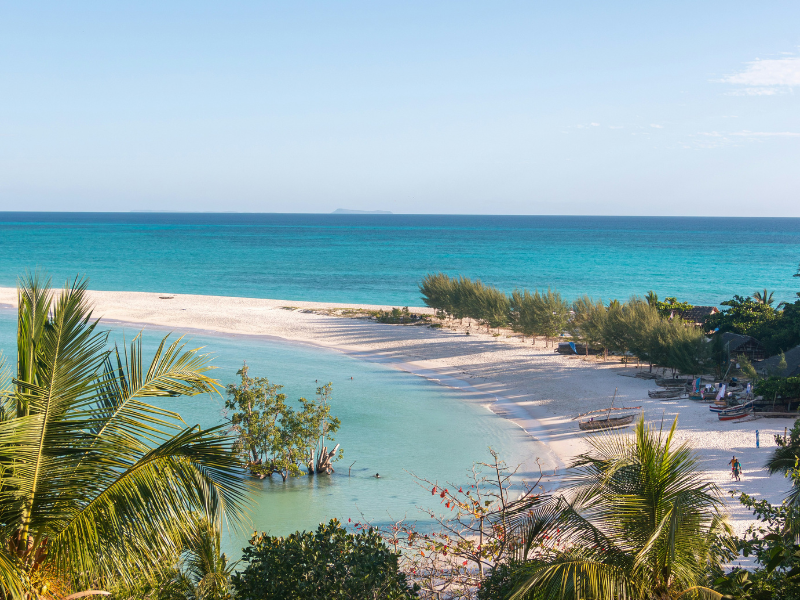
Madagascar is, frankly speaking, a once-in-a-lifetime experience. From the ancient baobabs standing like guardians of time, to rainforests filled with curious lemurs and untouched beaches that feel like paradise, this island has a rare kind of magic.
It’s a place for slow travel, deep connection with nature, and stories you’ll talk about for years. Yes, it takes a little extra planning to get there, but every moment is worth it!