Best Time to Visit Uganda: When to Go for Wildlife, Gorillas, and Adventure
Planning a trip to Uganda is exciting. But one question always comes first: when is the best time to visit? This East African gem, often called the “Pearl of Africa”, has something incredible to offer every month of the year: lush rainforests, open savannahs, and, of course, the famous mountain gorillas. But timing your trip can make all the difference.
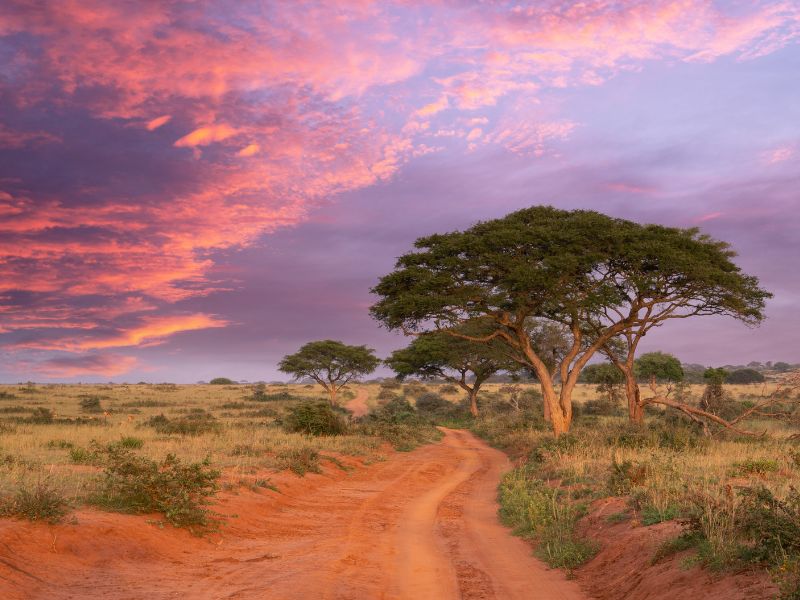
The dry seasons bring easier trekking. You can also catch clearer glimpses of wildlife. On the other hand, the rainy months transform the landscapes into a vibrant green paradise. Plus, there are fewer travellers around. Understanding Uganda’s seasons will help you plan the adventure of a lifetime.
Why Timing Matters for Your Uganda Trip
Uganda’s Climate and Seasons Explained
The country is located on the equator. And this means the weather won’t swing dramatically between hot and cold, as it does in other parts of the world. Instead, Uganda’s seasons are defined by rainfall.
Uganda enjoys a tropical climate. This means there are warm temperatures year-round. You can expect comfortable daytime averages, around 25 °C (77 °F). Instead of spring, summer, autumn, and winter, Uganda experiences two dry seasons and two wet seasons:
- Dry seasons run from June to September and December to February. These months bring less rain. So the roads are easier to navigate and forest trails are less slippery. This is especially ideal if you’re planning gorilla trekking.
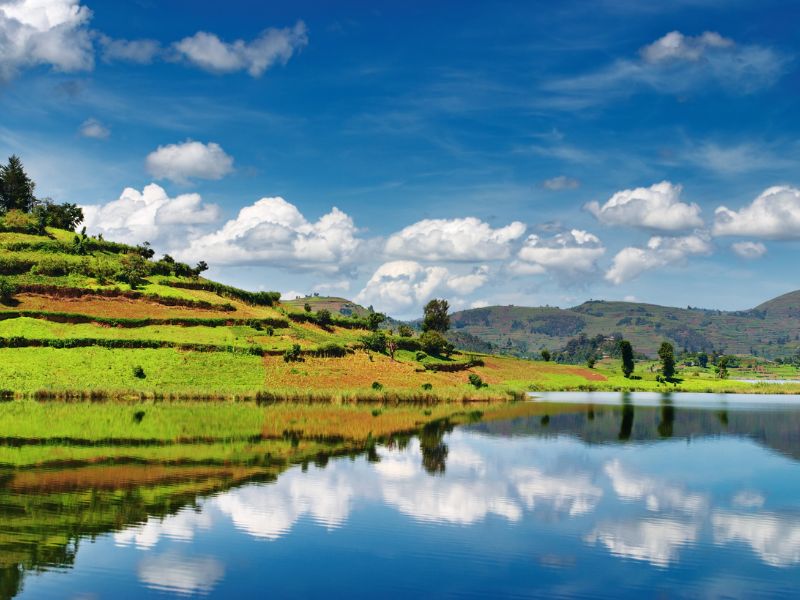
- Wet seasons fall between March to May and October to November. Expect heavier rain showers, especially in April and May, though they usually come in bursts rather than lasting all day. The bonus? The countryside looks absolutely stunning: green, lush, and alive with birdlife.
Peak vs Off Peak Travel Months
Uganda’s peak travel months align with the dry seasons. This is when the weather is friendlier for trekking and safaris. June through September is especially busy, as it overlaps with summer holidays in Europe and North America. December to February also draws many travelers looking for a warmer winter experience. During these months, demand for accommodation and gorilla trekking permits skyrockets (so you want to book in advance).
If you’d rather skip the crowds, the off-peak months (March to May and October to November) might be your sweet spot. There will be better availability in terms of accommodation and the prices will generally be lower. Plus, you can experience everything at a more relaxed pace. Yes, the rains can make travel a tad bit trickier, but the payoff is fewer people + a more intimate feel.
And, not to forget, for birdwatchers, the wet seasons are a dream! Migratory birds flock in and landscapes look stunning.
Best Time to Visit Uganda for Gorilla Trekking
When to Go
The dry seasons, June to September and December to February, give you the most comfortable trekking conditions. Bwindi Impenetrable Forest and Mgahinga Gorilla National Park are both mountainous rainforest environments, which means mud and mist are part of the experience regardless of season. In the dry months, those challenges are reduced: trails are more navigable, hiking times are generally shorter, and the overall experience is physically easier.
The wet seasons (March to May and October to November) are not off-limits. Gorillas do not migrate, and your chances of a successful sighting remain just as high. What changes is the physical difficulty and the likelihood of rain during the trek itself. For travelers in good physical condition who are comfortable with mud and uncertainty, the wet season offers something the dry season does not: near-total privacy on the trail.
Permit Practicalities
Uganda gorilla trekking permits cost $800 per person (the rate as of 2024), which is considerably less than Rwanda’s $1,500. Each gorilla family can be visited by a maximum of eight people per day, which caps total daily trekking numbers across both parks.
For dry season travel (June–September and December–February), book permits at least 6 months in advance, and 9 months for July and August specifically. Wet season permits are more readily available, but do not assume availability they still sell out for popular family groups.
Your tour operator handles permit logistics, but confirming the timeline early protects your trip.
What the Trek Actually Involves
Gorilla trekking means hiking through mountainous forest terrain to find a habituated gorilla family. The time it takes varies entirely based on where the gorillas have moved since their last tracking: treks range from 45 minutes to 6 or 7 hours. The median is roughly 2 to 4 hours each way.
The terrain involves steep slopes, dense vegetation, and mud. Guides use machetes to clear paths where necessary. Walking sticks are provided and strongly recommended. Porters are available for hire at both parks and are worth the cost they carry bags, provide support on steep sections, and their fees contribute directly to local community income.
Once you find the gorillas, you have exactly one hour with them. No exceptions. This rule protects the animals from extended human contact.
Age minimum for trekking is 15 years.
Bwindi vs Mgahinga
Bwindi Impenetrable Forest is the primary gorilla trekking destination in Uganda. It has more habituated gorilla families than Mgahinga, giving more flexibility in permit allocation and increasing the likelihood of a successful trek on any given day. Bwindi is also Uganda’s most biodiverse forest — it supports over 350 bird species, 120 mammals, and 1,000 plant species, which makes it worth time beyond the gorilla trek itself.
Mgahinga Gorilla National Park is smaller, more remote, and borders Rwanda and the Democratic Republic of Congo. It has one habituated gorilla family, which means permit availability is more limited and there is a small possibility that the family has moved across the border on any given day. The park has a different character — more open in places, with views of the Virunga volcanoes — and is generally quieter than Bwindi. It also offers golden monkey trekking, which is not available at Bwindi.
For most first-time gorilla trekkers, Bwindi is the practical choice. For travelers who have done Bwindi and want a different experience, or who specifically want the Virunga landscape, Mgahinga is worth considering.
Best Time to Visit Uganda for Other Wildlife Safaris
When to Visit National Parks (Queen Elizabeth, Murchison Falls)
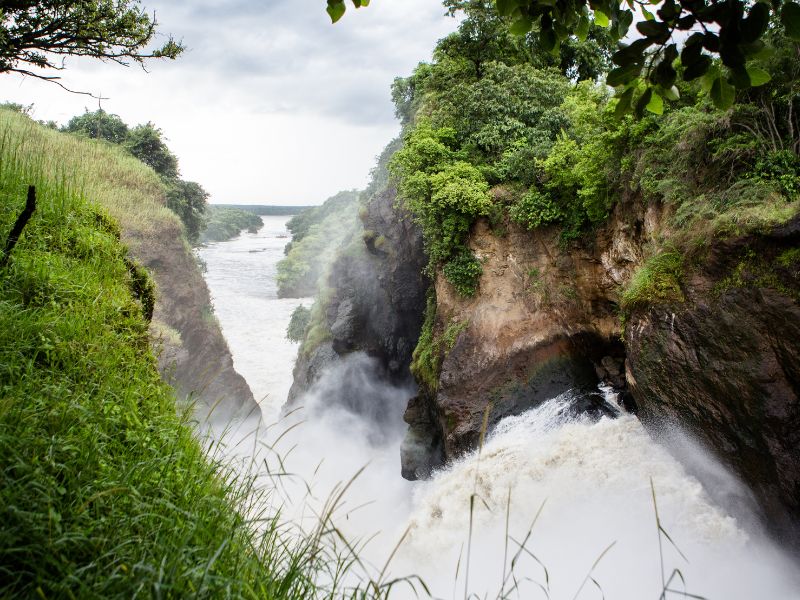
For traditional safaris, the dry season (June through September) is ideal. Animals congregate around rivers and watering holes. So it will be easier to spot them in places like Queen Elizabeth National Park, Murchison Falls, and Kidepo Valley.
Birdwatching and Special Experiences
Uganda is a paradise for bird lovers! That’s especially true considering it has over 1000 recorded species. While you can birdwatch year-round, the wet seasons (March through May, October through November) bring migratory birds. This is the best time for spotting species like the shoebill stork.
Month-by-Month Guide to Uganda’s Weather and Travel Highlights
January
Season: Dry Weather: Clear skies, low humidity, warm days. Cooler nights in Bwindi and other high-altitude areas.
January sits in the middle of the December-to-February dry season. Tourist numbers are lower than June–September, partly because school holidays have ended in most countries. Gorilla trekking permits are more available than in the peak dry months. Game drives in Queen Elizabeth and Murchison Falls are excellent, animals are concentrated around water sources, and vegetation is thinner after months without rain.
Good for: Gorilla trekking, game drives, travelers who want dry conditions without peak-season crowds.
February
Season: Dry Weather: Consistently dry, warm. One of the most pleasant months to trek.
The dry season is in full swing and the trails are at their least muddy. February is a strong month for gorilla trekking conditions are good and demand has not yet reached the June–September peak. Wildlife in the savannah parks is concentrated and visible. Birding is quieter than the wet season but still strong.
Good for: Gorilla trekking and game drives. A good shoulder option within the dry season.
March
Season: Transition into wet Weather: Rains begin to arrive, typically light at first. Landscapes start greening up.
March marks the beginning of the long rains. Early in the month, conditions are still relatively manageable. By late March, trails in Bwindi and Mgahinga are becoming muddier, and travel times on dirt roads increase. Tourist numbers drop, accommodation prices follow. Migratory birds begin arriving, which improves birdwatching significantly.
Good for: Travelers willing to accept some mud for lower prices and fewer people. Birders start to find March rewarding.
April
Season: Wet (peak rains) Weather: The wettest month of the year. Heavy, sustained rainfall, especially in western Uganda.
April is the least visited month in Uganda. Gorilla trekking is still possible — gorillas do not migrate — but trails can be seriously muddy and physically demanding. Some remote roads may become impassable. Lodge rates are at their lowest, and permit availability is at its highest. For travelers who are fit, well-equipped (waterproof boots, gaiters, rain gear), and genuinely interested in a more challenging and private experience, April has its advocates. For most first-time visitors, it is the month to avoid.
Good for: Budget travelers with experience in wet-weather trekking who want maximum privacy. Not recommended for first-timers or those with mobility concerns.
May
Season: Wet (tapering) Weather: Rains begin to ease through the month. Still green and lush, but gradually drying.
May shares many of April’s characteristics early in the month muddy, quieter, cheaper but improves noticeably by mid-to-late May as the rains taper off. Birdwatching peaks in May, with migratory species still present and landscapes at their most alive. A good option for birders and for travelers who want green season conditions without the worst of April’s rainfall.
Good for: Birdwatchers, budget travelers, those who prefer a quieter experience. Increasingly practical as the month progresses.
June
Season: Dry (beginning) Weather: Rains typically end by late May or early June. Conditions improve quickly.
June marks the start of Uganda’s peak safari season. The long dry season begins, trails dry out, and game drives become excellent as animals move toward permanent water sources. Gorilla trekking permit demand increases sharply through June. School summer holidays in Europe and North America begin, bringing more international visitors.
Good for: Gorilla trekking and game drives. Book permits at least 6 months in advance if traveling in June.
July
Season: Dry (peak) Weather: Clear, dry, warm. One of the most consistent months weather-wise.
July is Uganda’s most popular month and one of the best months to visit for almost every type of experience. Game drives in Murchison Falls, Queen Elizabeth, and Kidepo Valley are at their most productive. Gorilla trekking conditions are excellent. Chimpanzee tracking in Kibale is also strong. The tradeoff: permits are hardest to secure, lodges fill up, and prices are at their highest.
Good for: Everything, gorillas, game drives, chimps, birds. Plan and book furthest ahead for July.
August
Season: Dry (peak) Weather: Continued dry conditions. Warm days, cool nights at altitude.
August mirrors July in quality and demand. School holiday travelers from the US, UK, and Europe are still active. Gorilla permits and prime lodge dates should be booked 6 to 9 months ahead for August travel. The Nile in Murchison Falls is at its most dramatic lower water levels concentrate hippos and crocodiles visibly along the banks. Wildlife viewing across all parks is excellent.
Good for: Same as July. The joint-peak month. Early booking is essential.
September
Season: Dry (tail) Weather: Dry conditions continue, beginning to transition by late September.
September is the quieter end of the peak dry season. Tourist numbers start to fall as school holidays end. Gorilla permit availability improves compared to July and August. Conditions are still excellent — trails are dry, game drives are strong — but the atmosphere is slightly more relaxed. A good option for travelers who want dry season conditions without the intensity of peak summer.
Good for: Gorilla trekking and game drives with marginally more flexibility on permits and accommodation.
October
Season: Transition into wet (short rains) Weather: Short rains return, typically lighter and less sustained than the March–May rains.
October brings the short rains, which are generally less heavy than the long rains of April and May. Landscapes green up again, migratory birds return, and birdwatching improves quickly through the month. Gorilla trekking is still viable — trails are muddier but manageable for most trekkers. Tourist numbers drop and prices fall.
Good for: Birders, budget travelers, those who want the wet season experience without April’s extremes.
November
Season: Wet Weather: The heavier end of the short rains. Wetter and muddier than October.
November is the second most avoided month after April. Rainfall is sustained enough to make forest trekking physically demanding, road conditions in remote areas can be difficult, and overall logistics are more complex. That said, for travelers who are prepared and genuinely seeking a private, immersive experience, November in Uganda’s national parks can be extraordinary — very few other visitors, lush scenery, and excellent birding.
Good for: Experienced travelers who value solitude and are comfortable in wet conditions. Birdwatchers.
December
Season: Dry (beginning) transitioning into peak Weather: Dry season resumes in mid-to-late December. Variable early in the month.
December is a split month. The first two weeks can still carry some residual rain, but by mid-December the dry season typically returns. Christmas and New Year bring a surge of international visitors, making late December one of the busiest periods of the year. Gorilla trekking permits become competitive again from mid-December onward. Book well in advance for the holiday period.
Good for: Gorilla trekking and game drives from mid-December. Book early for the holiday window.
Tips for Planning Your Trip Around the Best Time to Visit Uganda
Booking Gorilla Permits Early
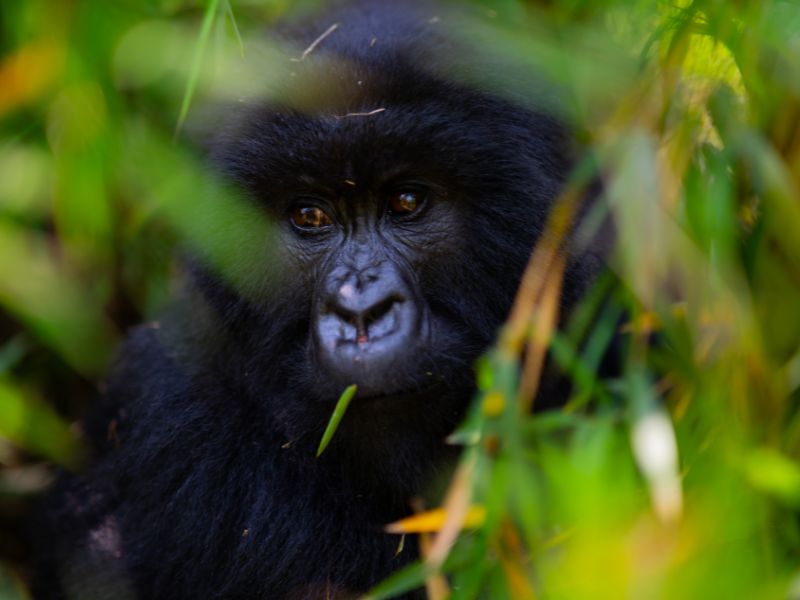
Gorilla trekking permits are the hottest ticket in Uganda, and for good reason. Each gorilla family can only be visited by a small group of travelers per day (usually 8 people). This helps protect the animals and ensures an intimate experience. BUT, that also means permits sell out fast during the dry season.
If you’re traveling in June to September or December to February, plan to book at least 6 months in advance, sometimes even earlier. Your tour operator can handle the process, but securing your permit early also locks in your spot, giving you peace of mind. Traveling in the off-season (March–May or October–November) may mean easier availability, but don’t take chances!
Curious about gorillas? Read our Interesting Gorilla Facts blog!
Packing Essentials for Different Seasons
Uganda’s equatorial climate means you’ll need to pack smart, no matter when you go.
Dry season (June–Sept, Dec–Feb): Lightweight, breathable clothing for warm days, a wide-brim hat, sunglasses, and sunscreen. Nights can still be cool in higher altitudes, so pack a light jacket.
Wet season (Mar–May, Oct–Nov): Waterproof hiking boots, a good rain jacket, insect repellent, and quick-dry clothing are musts. Also a pair of gaiters for muddy treks.
Year-round essentials: Long trousers and long-sleeved shirts for forest trekking (to protect from scratches and insects), sturdy walking sticks, and a good camera with a waterproof cover. Binoculars are a bonus!
Frequently Asked Questions
When is the best time to visit Uganda?
The dry seasons, June to September and December to February are the most popular and practical for most activities, particularly gorilla trekking and game drives. June to September is the peak window, overlapping with European and North American summer holidays. December to February is quieter and slightly more affordable. The wet seasons (March to May and October to November) offer lower prices, fewer tourists, and excellent birdwatching, but involve muddier trekking conditions and more difficult travel on unpaved roads.
When is the best time to trek gorillas in Uganda?
The dry seasons (June to September and December to February) give the most comfortable trekking conditions drier trails, shorter hiking times on average, and easier logistics. However, gorilla trekking is viable year-round. Gorillas do not migrate, so sighting success rates are high in every season. The wet season offers more available permits, lower prices, and far fewer people on the trail. The trade-off is mud, steeper physical effort, and a higher chance of rain during the trek.
How far in advance should I book gorilla trekking permits?
For dry season travel, particularly July and August book 6 to 9 months ahead. Demand is highest in those months and permits for popular gorilla families sell out well in advance. For wet season travel, 2 to 3 months is generally sufficient, though earlier is always safer. Your tour operator handles the permit booking process, but confirming the timeline early is important for trip planning.
Is Uganda or Rwanda better for gorilla trekking?
Both are genuine and excellent options. Uganda has more habituated gorilla families and significantly lower permit costs ($800 vs Rwanda’s $1,500). The trekking terrain in Uganda’s Bwindi Impenetrable Forest can be more physically demanding than Rwanda’s Volcanoes National Park trails. Rwanda tends to be more accessible logistically, with groups often closer to the trailhead. Uganda offers more biodiversity beyond the gorilla trek and is generally the better value option for budget-conscious travelers. Rwanda suits travelers who want a slightly more managed, accessible experience and are willing to pay the premium.
Can you trek gorillas in Uganda in the rain?
Yes. Gorilla trekking runs in all weather conditions. Gorillas are found year-round in Bwindi and Mgahinga, the rain affects the trekkers, not the gorillas. Wet season trekking is harder physically (muddier trails, steeper going), but many travelers prefer the solitude and the lush forest atmosphere it creates. Proper waterproof boots and rain gear make the difference between a miserable experience and a memorable one.
What is the minimum age for gorilla trekking in Uganda?
15 years old. This rule applies to both Bwindi Impenetrable Forest and Mgahinga Gorilla National Park and is enforced at the point of permit purchase. Families traveling with younger children should plan accordingly gorilla trekking cannot be included in the itinerary for children under 15.
Winding Up…
The best time to visit Uganda depends on your priorities. If gorilla trekking tops your list: the dry months of June to September or December to February. For budget-friendly travel and exceptional birdwatching: the rainy seasons. Either way, Uganda promises unforgettable encounters!