Safari vs a Traditional Vacation: Why It Feels Completely Different
Most people start planning a trip by comparing options. A safari vs vacation in Europe. A safari vs a beach getaway. A safari vs… well, anything else that feels familiar. You need to remember, however, that an adventure in Africa doesn’t sit in the same category as those trips. It’s a completely different way of traveling, not “better,” but surely unique.
Now, before making a final pick, it’s important to understand why a safari feels so different from a traditional vacation, exactly what we’ll talk about today.
The Short Answer: Safari Isn’t a Typical Vacation
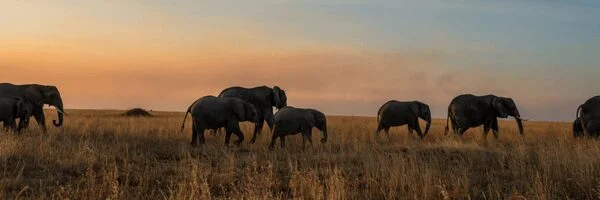
A safari moves at an entirely different rhythm from a typical trip. Days aren’t packed with back-to-back plans or rushed from one stop to the next. Time stretches out around a sighting, and plans shift naturally depending on what’s happening in the moment.
There’s no checklist to work through either. Wildlife doesn’t follow a script, which means every experience feels unplanned in the best way, and far more memorable because of it.
Finally, an African safari is 100% distinct from a resort-style trip. Comfort is there, of course, but the focus is on the experience itself, keeping nature as the centerpiece.
Pace: Slow and Intentional vs Packed and Structured
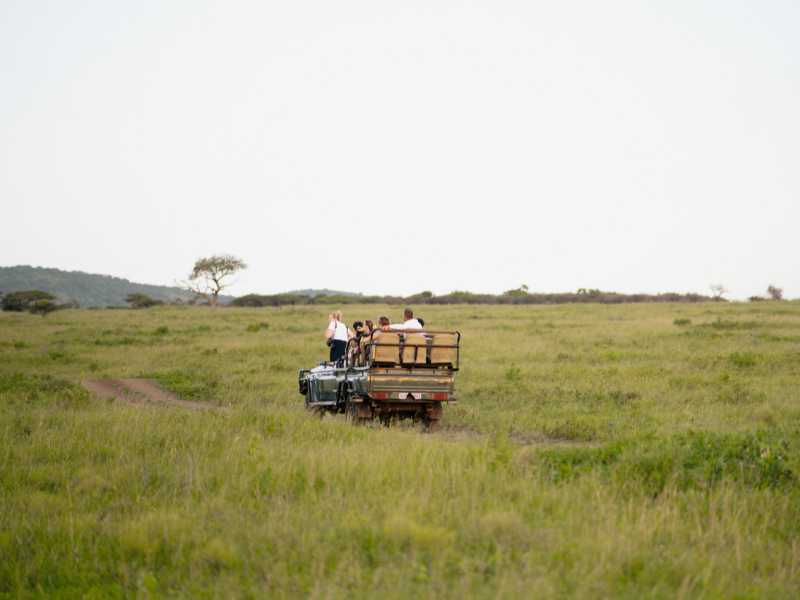
A safari leans into a slower, more intentional rhythm. There’s a basic structure…
Coffee & breakfast → morning game drive → mid-day rest → lunch → evening game drive → dinner → bedtime
…but there are no “formal” plans. Game drives, too, don’t follow a strict timeline. If something interesting happens, you stay. If nothing does, you keep moving.
On the other hand, many vacations, especially across cities in Europe, tend to follow a structured pace. Timed entries, reservations, and packed itineraries keep things moving. You see a lot, but you’re also always aware of what’s next, whereas on safari, there is no “next” to rush toward; the experience lives in the moment you’re already in.
What You’re Experiencing: Observation vs Activity
A major difference when comparing a safari vs. Europe vacation comes down to what you do there. An African safari, for example, is more about observing than doing, as you sit back to let nature unfold its wonders. In fact, the entire experience comes from paying attention rather than participating. Even the “activities” on safari are designed for observation, be it a walking safari, a boat ride, or a visit to the museum.
You see, it’s quite different from a traditional vacation, which tends to lean more toward hands-on experiences and planned, self-driven days.
Crowds and Space
The massive shift in the crowds and space is what truly sets apart Africa vs Europe.
Sightings aren’t shared with large groups moving through the same route all day. Even in well-known areas, vehicles are spread out. Back at camp, you’ll be greeted with the same feeling of calmness. Guest numbers are limited, plus rooms are thoughtfully positioned for privacy, so it will never get crowded.
Compare that to many traditional vacations, especially in busy cities, which place you right in the middle of movement. Cities, attractions, restaurants, and transport all come with people, noise, and constant flow. Sharing spaces and planning around peak times is quite common.
Structure: Guided vs Self-Navigated
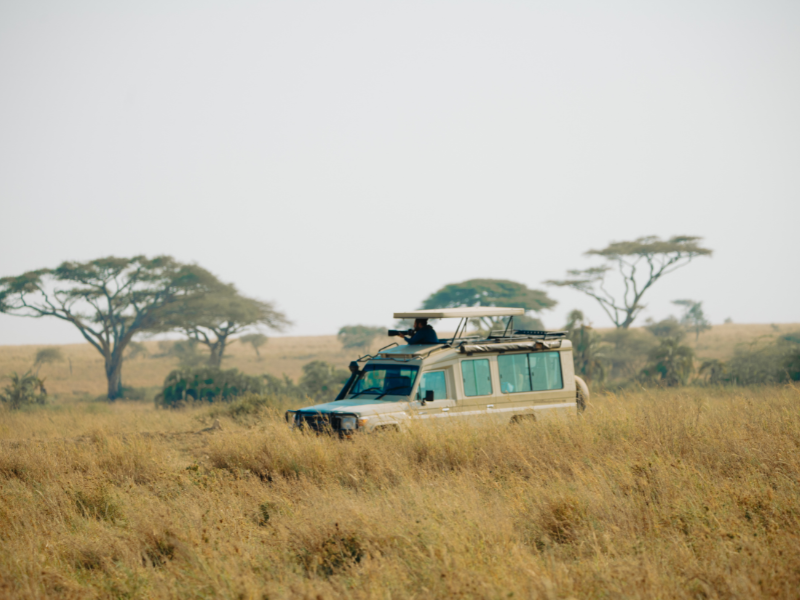
A safari runs on a guided structure, where most of the thinking is taken care of for you. Experienced guides lead it all, from track movement to adjusting plans, so there’s not much you have to worry about, not even what to do next. The setup is, indeed, designed to take the pressure off you completely. You’re free to focus on the experience itself, knowing that someone else is shaping it perfectly behind the scenes.
Traditional vacations often work the other way around. You are the one planning every single detail. Even with tours or reservations, a lot still depends on your own planning and movement.
Unpredictability: Why Safari Feels Different
The entire thrill of safari comes from the fact that you’ll be on the edge of your seats the whole time. However, surprises also mean more unpredictability. You can head out with a general plan, but what you actually experience depends on movement + timing, and lots of luck. A quiet drive can suddenly turn into a sighting you didn’t expect, while something you hoped to see might not appear at all. One thing is guaranteed, though: you will never return without a story to tell. The experience is unpredictable, yes, but never uneventful.
Comfort: Not What People Expect
Living in the middle of wildlife might not sound like the most comfortable experience, but the reality is quite the opposite. Lodges and camps are well-equipped with all essentials, including real beds, en-suite bathrooms, proper charging stations, and good food. Game drive vehicles are also designed to prioritize comfort, with elevated seating for clear views and strong suspension to absorb the shocks from uneven tracks.
Why Safari Stays with People Differently
Every part of a safari contributes to why it stays with you more than any other trip you’ll take…
- An opportunity to see wildlife where it truly belongs. No artificial feeding schedules, no fences, and minimal-to-no human intervention. Animals are allowed to move, hunt, migrate, and mate exactly as nature intended.
- Staying in lodges and camps you’ll never forget. One evening, you might sleep in a canvas tent, lulled by hippos grunting at a distance. Another night, you could find yourself in a lodge perched on a rocky koppie, offering sweeping views across the mesmerizing open plains.
- Experience rich cultures. Many people arrive in Africa expecting wildlife as the highlight, and while it definitely is, the human connections will become equally treasured. You could, for example, walk through the childhood lands of your guide in Kenya, learning how his parents taught him to track animals by the bend of a blade of grass.
- Disconnect from the hustle and reconnect with yourself. One of the most surprising pleasures of safari is the enforced slow-down. Most camps are located far from towns, with little to no mobile signals. WiFi, if available, is limited to communal spaces. Though this might feel unusual at first, a day or two in, the absence of notifications becomes such a liberating gift.
- Contribute to community wellbeing. Many eco-lodges and reserves operate under a conservation-first model, allocating a portion of your stay to anti-poaching units, community schools, and habitat restoration projects.
- Combine your safari with extraordinary activities. When talking of ‘what is safari experience like,’ flexibility makes a big part of it. You can tailor it to include vineyard retreats, beach escapes, and farm stays.
- Planning can be super simple. Our FREE printable planning guide can help you map out every step with clarity & ease.
When Safari Is the Right Choice (and When It’s Not)
A safari is the best choice for travelers who:
- Enjoy being present in the moment
- Don’t mind a flexible plan that can shift throughout the day
- Prefer meaningful experiences over ticking off attractions
- Are comfortable with early mornings
- Appreciate nature and quiet surroundings
- like having expert guidance instead of planning every detail themselves
If you’re more of a fast-paced, plan-every-minute person, then safari might not be for you. A preference for constant activity and packed schedules from morning to night usually aligns better with a traditional vacation.
If You’re Deciding Between Safari and Another Kind of Trip
Choosing between a safari and another kind of trip can feel tricky, especially when both offer completely different experiences. What helps is having someone guide you through the decision based on what you actually enjoy, and that’s where our experts at Good Earth Tours can help 💚