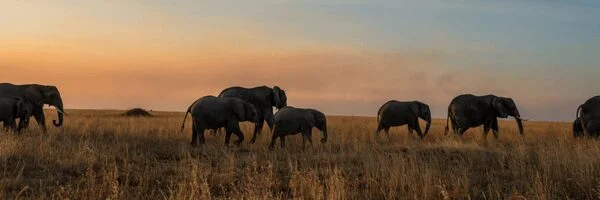
Moremi Game Reserve: What to Know Before Your Safari
Moremi Game Reserve rewards travelers who arrive informed. The landscape shifts between floodplains, forests, and open savannah, and each one shapes how wildlife moves and how safaris unfold. Timing, camp location, and daily pace all matter here more than people expect.
Here, we will focus on the details that actually shape your experience… when wildlife viewing is strongest? How water levels affect game drives? What to expect once you’re inside the reserve? Practical insight, no filler, just what helps you plan a safari that feels deeply immersive.
Where is Moremi Game Reserve Located?
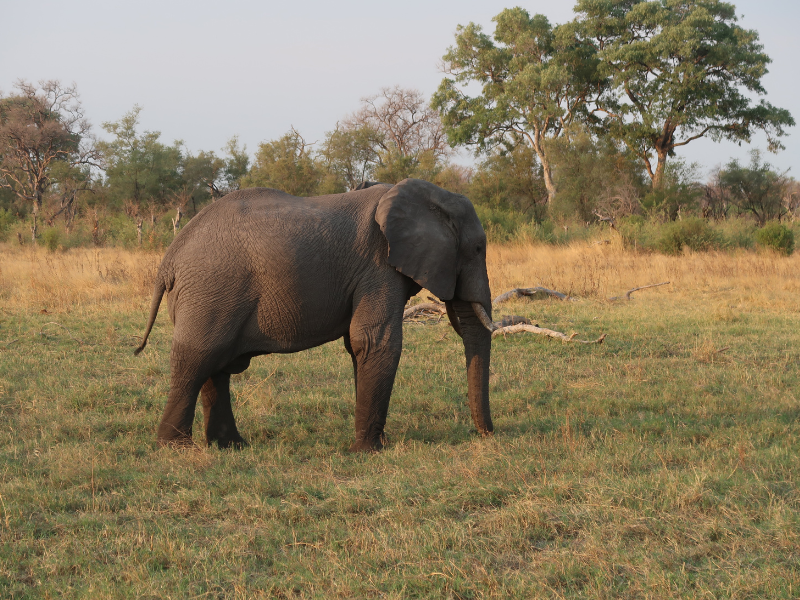
Moremi Game Reserve sits in the heart of northern Botswana, right inside the eastern edge of the Okavango Delta. Seasonal floodplains, winding channels, and open wilderness border the reserve, a primary reason why wildlife movement here feels so natural and unscripted.
The closest gateway town is Maun. Most travelers arrive there by commercial flight, then continue into the reserve by light aircraft or 4×4 safari vehicle. Once you leave Maun behind, infrastructure thins out quickly. Roads become sandy tracks, and nature takes over.
What Moremi Game Reserve Offers?
Moremi Game Reserve safari is one of the most layered experiences offered in southern Africa. What makes it special is not just the wildlife, but how land, water, and movement come together in a single reserve.
Diverse landscapes in one setting. Moremi blends permanent waterways, seasonal floodplains, mopane forests, and open grasslands, so each game drive feels different, even within the same area.
Exceptional wildlife density. The reserve supports healthy populations of elephants, buffalo, giraffe, red lechwe, and large predators. Lions, leopards, wild dogs, and cheetahs are all present.
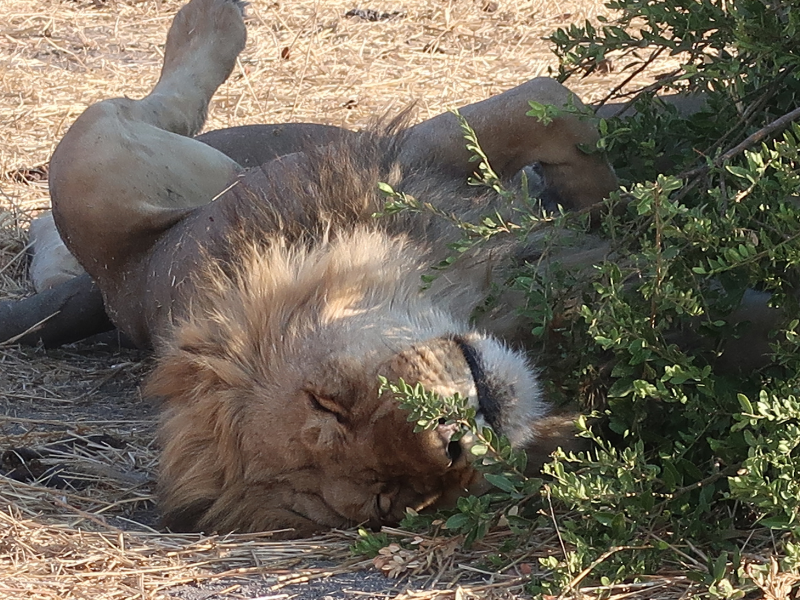
Strong predator action. Moremi is especially known for predator interactions. Floodplains attract herbivores, which in turn draw big cats. Early morning and late afternoon drives often deliver tense, memorable moments.
Land and water-based activities. Depending on camp location and season, safaris include traditional game drives, walking safaris, and mokoro (dugout canoe) excursions. Water activities add a quiet, immersive layer that’s rare in many reserves.
Low-impact, low-density tourism. Visitor numbers are tightly controlled. Camps are spaced far apart, and large lodges are not allowed, which means uncrowded sightings and a stronger sense of wilderness throughout the reserve.
A slower, more immersive safari rhythm. Days here are shaped by light, temperature, and animal movement rather than strict schedules. Long drives, extended sightings, and unhurried breaks are part of the experience, especially on a Moremi Game Reserve safari.
Strong conservation focus. Moremi was one of Africa’s first reserves created by local communities. Conservation, controlled access, and respect for ecosystems remain central to how the reserve is managed today.
Best Time to Visit Moremi Game Reserve
The Moremi Wildlife Reserve, Botswana, changes character throughout the year. Water levels rise and fall. Vegetation thickens, then opens up. Understanding each season helps you match your expectations with the experience you want.
Dry Season (May-October)
The best time to visit Moremi Game Reserve for classic wildlife viewing. Floodwaters from the Okavango spread through the delta, concentrating animals on higher ground. Vegetation is thinner, which improves visibility, and predator sightings increase as prey gather near permanent water. To top it all, days are dry and mild, so it’s a comfortable experience overall.
Early Wet Season (November-January)
The first rains arrive, quickly shifting the landscapes. There is more greenery and more blooming flowers. Birdlife returns and wildlife disperses more widely, but the reserve still feels fresh and alive. This period suits travelers who enjoy quieter camps and a more relaxed pace.
Peak Wet Season (February to April)
Rainfall is at its highest, which is why some tracks might become super challenging. Game viewing requires patience, but rewards come in the form of newborn animals, active predators, and rich birdlife. The scenery is lush, and the reserve feels especially wild.
Takeaway- There’s no “single” perfect season. Dry months offer clarity + consistency, while wet months bring atmosphere and change. The right time depends on what you value most.
What to Expect on a Moremi Game Reserve Safari
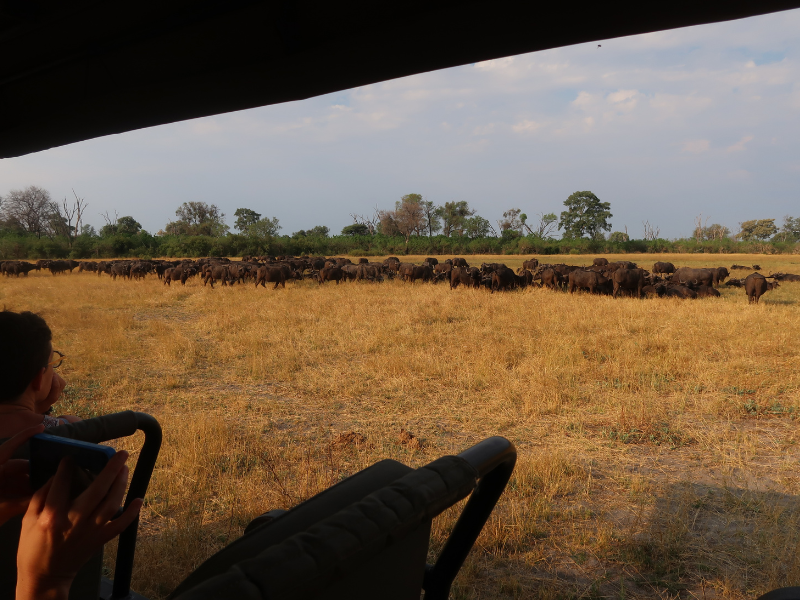
The Moremi Wildlife Reserve is nothing short of a wilderness immersion. Safais here feel truly grounded, with days unfolding at nature’s pace. When talking about what to expect from a safari Moremi Game Reserve, here’s what typically shapes the experience…
- Game drives shaped by terrain- There will be a mix of dry tracks, sandy roads, and water crossings. Some areas feel open and expansive, others dense and intimate. Drives adapt to conditions; no two outings feel the same.
- Early starts and slow afternoons. Mornings begin early, when temperatures are cool, and animals are active. Midday is quieter. Late afternoon brings another drive as light softens and predators begin to move again.
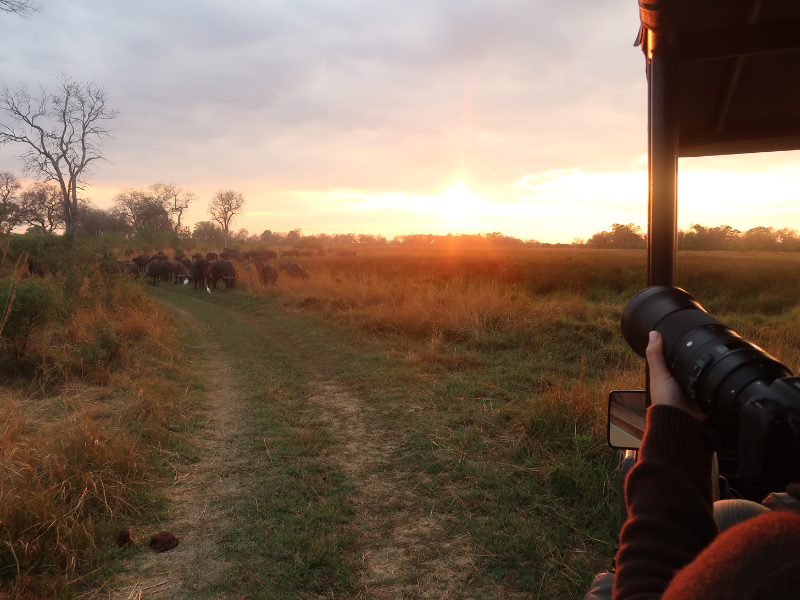
- Close, natural wildlife encounters. Sightings often unfold without crowds or pressure. Guides allow moments to breathe. You may even sit with a leopard for half an hour or watch elephants cross a channel in silence.
- Limited connectivity. Mobile signal is unreliable, and Wi-Fi is often minimal or absent. This isn’t a drawback for most travelers, though, because it encourages a deeper connection with the environment.
- Comfort without excess. Camps focus more on thoughtful design and good food than on luxury for its own sake. You’ll find comfort, of course, but the wilderness remains the main feature.
Interesting Facts About the Moremi Game Reserve
The history, scale, and conservation of the Moremi Game Reserve, Botswana, give it a story that goes far beyond wildlife sightings…
- The reserve was created by an indigenous community. The BaTawana people set it aside in 1963 to protect wildlife and land that had sustained them for generations.
- It protects a major part of the Okavango Delta, as the reserve covers about one-third of the entire delta.
- Moremi is home to one of Africa’s most stable populations of African wild dogs. These animals need space and low disturbance to survive. The reserve’s low-density tourism model supports that balance.
- It is part of a UNESCO World Heritage Site. Seasonal flooding, biodiversity, and intact ecosystems are all protected at an international level.
Planning Your Safari in Moremi Game Reserve
Planning a safari in Moremi Game Reserve works best when you give it enough time and avoid trying to squeeze in too much.
Three nights is the minimum that allows you to settle in and experience different areas of the reserve. With four to five nights, the safari slows down in the best way (varied game drives, better light, and space for longer sightings without feeling rushed).
Moremi also pairs incredibly well with nearby regions, particularly with Chobe National Park for river-based wildlife viewing or Savuti, known for intense predator activity. Others extend into the Okavango Delta to focus on water safaris and mokoro excursions.
When it comes to reaching Moremi, fly-in safaris are the most practical & efficient solution. Light aircraft connect Maun with airstrips inside or near the reserve, saving long and challenging road transfers. Self-drive access is possible but demanding, and better suited to experienced travelers with time to spare.
The key is balance: fewer moves + thoughtful routes. And if planning it all feels way too overwhelming, our experienced team at Good Earth Tours can take care of the details and design a safari that flows naturally. Ring us today!