Malaria Free Safaris: Where to Go and How to Stay Protected
Malaria is a concern for anyone traveling to Africa. Though this can be managed (to some extent) by taking anti-malarials, understandably, not everyone is comfortable using them. This is especially true for people who believe they will suffer from the side effects, or those going on a safari with young kids, pregnant women, or generally anyone unable to take anti-malarial pills. If you, too, fall into this list, no need to worry. Thankfully, there are a handful of incredible malaria-free safaris in Africa, found mainly in the Southern part- exactly what we’ll be exploring in this guide 🐅
What Malaria-Free Safaris Really Mean
When we talk about malaria-free safaris, we’re referring to regions where malaria transmission does not occur at all. Africa is broadly divided into different malaria zones. Some areas have year-round risk, others only during certain seasons, and a few are completely malaria-free.
So, why the difference?
Malaria depends on very specific conditions to spread. Warm temperatures, standing water, and the presence of malaria-carrying mosquitoes all play a role. The cooler climates, higher altitudes, and well-managed environments of Southern Africa make it difficult for these mosquitoes to survive. As a result, malaria simply isn’t present, making destinations like South Africa’s Eastern Cape or Madikwe feel so reassuring for families, older travellers, and anyone who prefers to avoid anti-malarial medication altogether. You still get excellent wildlife sightings and high-quality lodges, though, just without the added health concern.
Malaria-Free Safari Destinations in Africa
South Africa’s Top Malaria-Free Safari Reserves
Madikwe Game Reserve
Tucked away near South Africa’s border with Botswana, Madikwe Game Reserve is the country’s best-kept safari secret, and a favourite for travelers seeking a 100% malaria-free experience. Despite being lesser-known than Kruger, it delivers just as much when it comes to wildlife.
Madikwe is home to the Big Five, along with cheetahs, wild dogs, and a wide range of plains game. The reserve is also known for its low vehicle density, which means game drives feel more personal. Plus, sightings often last longer, and there’s less pressure to rush from one animal to the next.
Many of the lodges here are family-friendly, and most importantly, no anti-malarial medication is required. A stress-free choice without compromising on the classic African safari magic.
Pilanesberg National Park
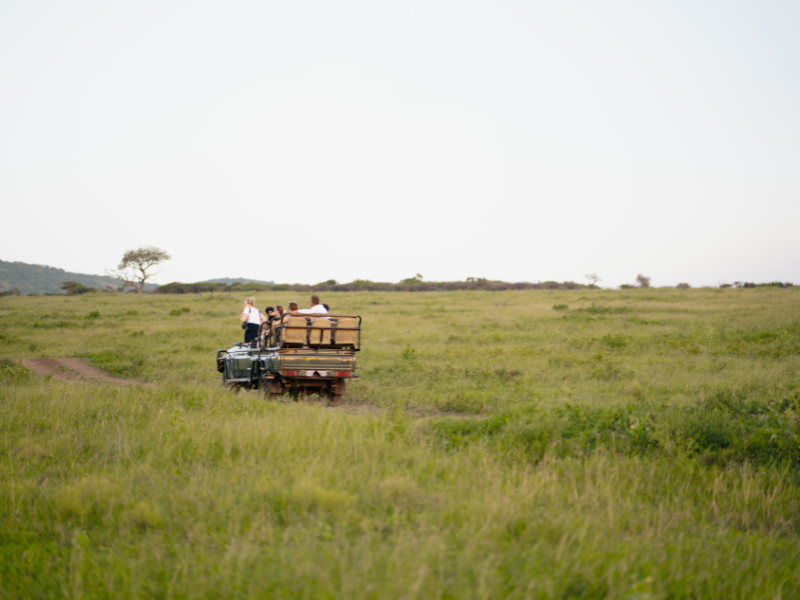
Pilanesberg National Park feels dramatically different from most safari landscapes. The terrain shifts quickly here. Open grasslands roll into rocky outcrops, while wooded valleys create natural hideouts for wildlife.
Pilanesberg is another Big Five destination, yet it stands out for accessibility. It’s an easy drive from Johannesburg and pairs beautifully with a short stay in the city, ideal for first-time safari-goers or travellers working with limited time but still wanting a full wildlife experience.
The park works well for families and cautious travellers, too… well-maintained roads, comfortable game drives, versatile lodges, etc. Not to forget, the entire reserve is malaria-free, which removes a major layer of planning stress.
Eastern Cape Reserves
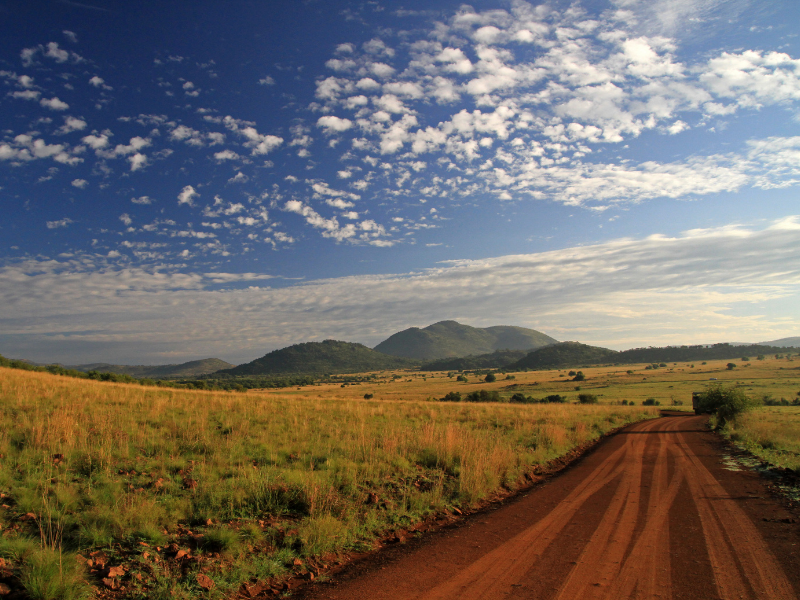
Another malaria-free safari South Africa, where wildlife seamlessly intersects with scenery and ease of travel. The destination offers excellent diversity within a compact area: rolling plains, river valleys, coastal influences, plus private reserves, conservation-driven safaris, and well-guided game drives.
What you’ll particularly love is the logistics. The Eastern Cape is easily reached via Port Elizabeth (Gqeberha), so travel days are shorter and more manageable.
Waterberg Region
The Waterberg Region, a UNESCO-listed biosphere, is known for offering the best malaria-free safari South Africa. Located a few hours from Johannesburg, it suits travelers who want to escape quickly into nature without committing to complex transfers or internal flights. And the wildlife sightings? Unbeatable. You’ll find the Big Five, along with rare species such as roan antelope and sable.
Additional Low-Risk or Seasonal Risk Areas in Africa
Tanzania – Understanding the Malaria Risk
Tanzania is not malaria-free, but the risk varies widely by region, altitude, and season. Most popular safari areas fall into low- to moderate-risk zones. Planning carefully is key.
High-altitude destinations like the Ngorongoro Crater and parts of the northern circuit experience significantly fewer mosquitoes due to cooler temperatures. Risk also drops during the dry season, when standing water is limited and mosquito activity is lower.
That said, Tanzania still sits within recognised malaria zones Africa, so preventative measures remain important. Many travellers manage the malaria risk Tanzania through:
- Medical advice
- Mosquito precautions
- Well-chosen lodges that actively control insects
Other Low-Risk Zones in Africa
Beyond the destinations we’ve already talked about, there are a few other parts of Africa where malaria risk is low, seasonal, or easier to manage (especially if timing and location are chosen wisely).
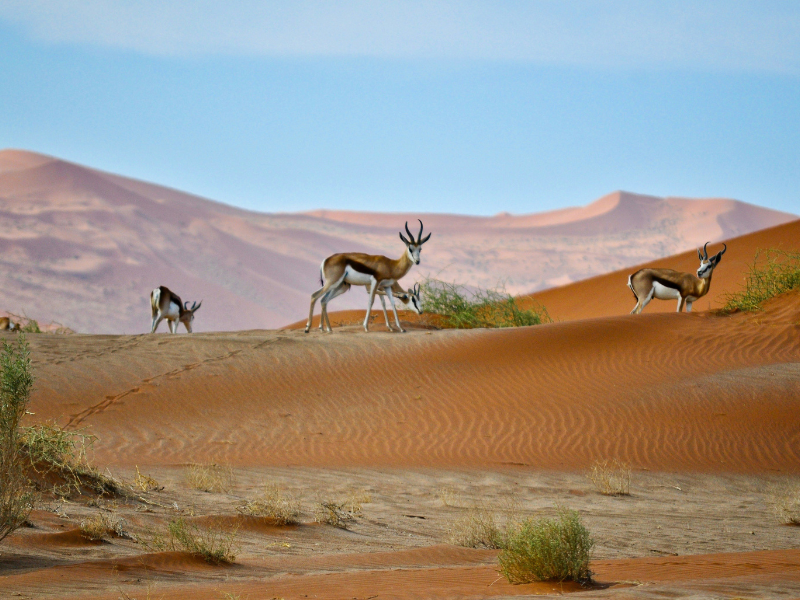
Namibia. Dry climate. Fewer mosquitoes. Many safari areas remain low risk year-round, especially outside the rainy season.
Botswana (seasonal). Risk is mainly during the wet months. Dry-season safaris are lower risk, with strong mosquito control at lodges.
Rwanda (high altitude). Higher elevations mean cooler temperatures and reduced mosquito activity, particularly in trekking regions.
Best Time to Go on a Malaria-Free Safari
Malaria-free destinations can be visited year-round, but if you’re going for a low-risk (not entirely free) zone, then the timing definitely matters.
The dry season, which also happens to be the peak season, is usually the safest. Less standing water, lower mosquito activity, and better wildlife spotting make it perfect for a malaria-free safari. Contrastingly, the wet season poses greater health risks, though the scenery is incredible and crowds are lower.
How to Stay Protected While on Safari
Get your protection gear ready so you can focus on enjoying the experience, not on worrying about health risks. There’s nothing complicated here, by the way. Just a couple of handy essentials, and you’re good to go.
- Insect repellent (DEET or picaridin). To be applied at least thrice a day. Small travel-sized bottles are easiest to carry.
- Light-weight, covered clothing. Safety over anything, but remember that never means you have to compromise style.
- After-bite cream (or soothing balm). Helpful for any unexpected bites.
- Closed shoes. Especially useful for evenings and bush walks.
- Plug-in mosquito repellent (lodge-friendly). Great for rooms, tents, or bathrooms.
- Basic personal medical kit. Pain relievers, antihistamines, motion sickness tablets, and any prescriptions.
Add to that simple preventive measures, like…
- Sleep with windows closed or under a net.
- Follow medical advice before travel.
- Avoid strong scents (we don’t want to attract insects!).
Most importantly, choose a lodge with mosquito-controlled measures (nets, screened rooms, regular treatments, and the like). Also, always trust your lodge team. Guides and staff know local conditions best, so following their advice can make all the difference.
Tip- Work with an experienced tour operator to plan a trip that minimizes risk from the very start. At Good Earth Tours, itineraries are designed with health, comfort, and peace of mind as priorities.
Should You Consider Kruger Park?
It’s important to be clear here: Kruger National Park is not malaria-free.
Kruger sits within one of South Africa’s recognised malaria zones, especially during the warmer, wetter months. While many travellers visit safely every year, it does carry a seasonal malaria risk, and anti-malarial medication is often recommended depending on the time of travel and personal health factors.
That doesn’t mean Kruger i completely off the table, though. It simply means that you require more planning and precautions than the malaria-free reserves we’ve discussed above.