Kilimanjaro vs Everest Base Camp: Which Trek Should You Choose?
Choosing between Kilimanjaro and Everest Base Camp? We don’t blame you if it feels like choosing between two legends. Both treks are similar in what they promise: adventure and altitude. But the experience, we must say, is completely different for both. One leads you to the Roof of Africa; the other takes you deep into the Himalayas.
So, how do you decide which journey is calling your name?
In this blog post, we’ll help you make the decision.
Kilimanjaro vs Everest Base Camp: The Ultimate Showdown
Two Iconic Treks, Two Very Different Adventures
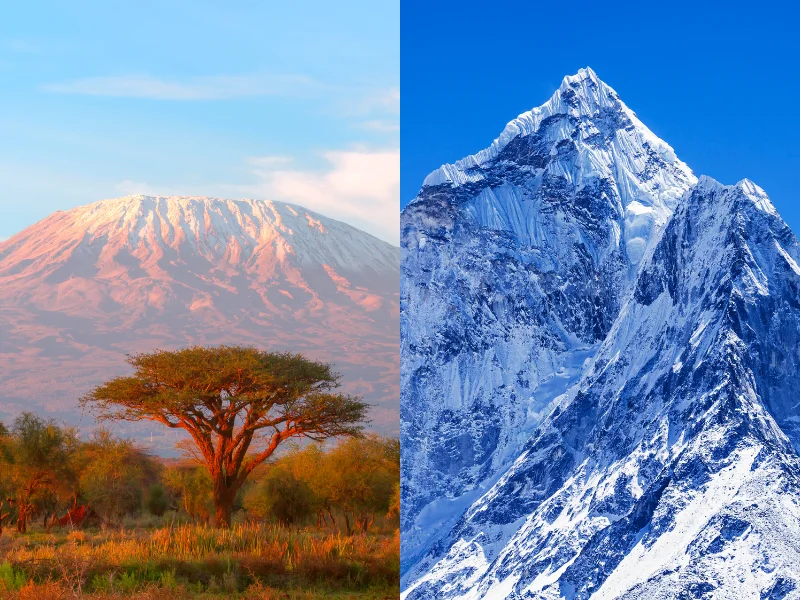
Mount Kilimanjaro, located in northern Tanzania, rises to 5,895 meters (19,341 ft). It stands alone as the tallest freestanding mountain on Earth. Kilimanjaro is a true summit climb, which means you’re heading for the very top. The mountain is famous for its dramatic landscapes: rainforest, moorland, alpine desert, and finally, its glacier-crowned peak. Kilimanjaro has a reputation for being accessible to first-time high-altitude trekkers (as long as you prepare well and choose the right route).
Everest Base Camp, on the other hand, sits at 5,364 meters (17,598 ft) in Nepal’s Khumbu region. You’re not summiting Everest, but you are trekking into the heart of the Himalayas: home to the highest peaks on the planet. Instead of climbing a single mountain, you follow a legendary multi-day trail through Sherpa villages, ancient monasteries, and valleys surrounded by giants like Lhotse, Nuptse, and Ama Dablam.
Two mountains. Two stories. One big question: which one is calling you?
Location and Landscape Differences
Mount Kilimanjaro – Africa’s Roof
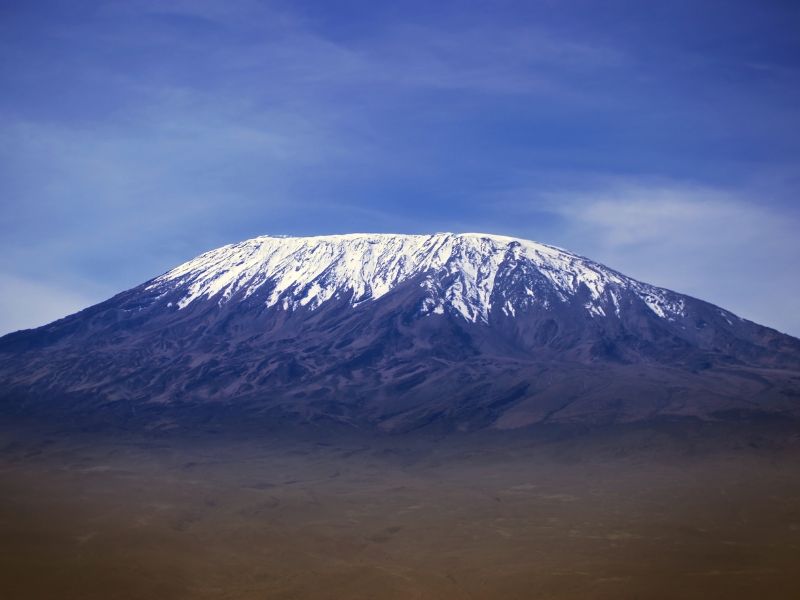
Kilimanjaro rises straight out of northern Tanzania, like it was placed there on purpose. No surrounding peaks, no long ridgelines — just one majestic giant standing alone above the savannah. That’s what makes it so striking. As you climb, the landscape shifts dramatically: lush rainforest at the base, misty heather and moorland above it, and then a lunar-like alpine desert as you push higher. By the time you reach the summit, glaciers frame the horizon, giving you that surreal “top of the continent” feeling.
Everest Base Camp – The Heart of the Himalayas
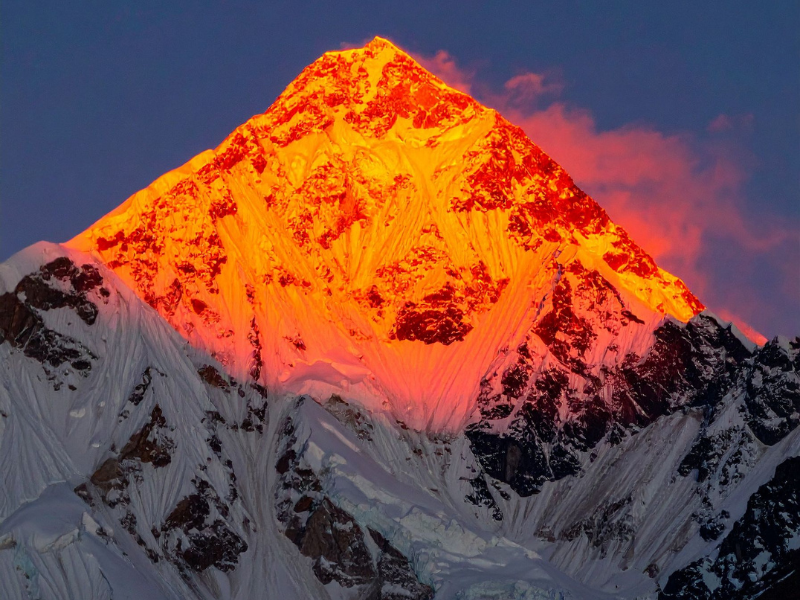
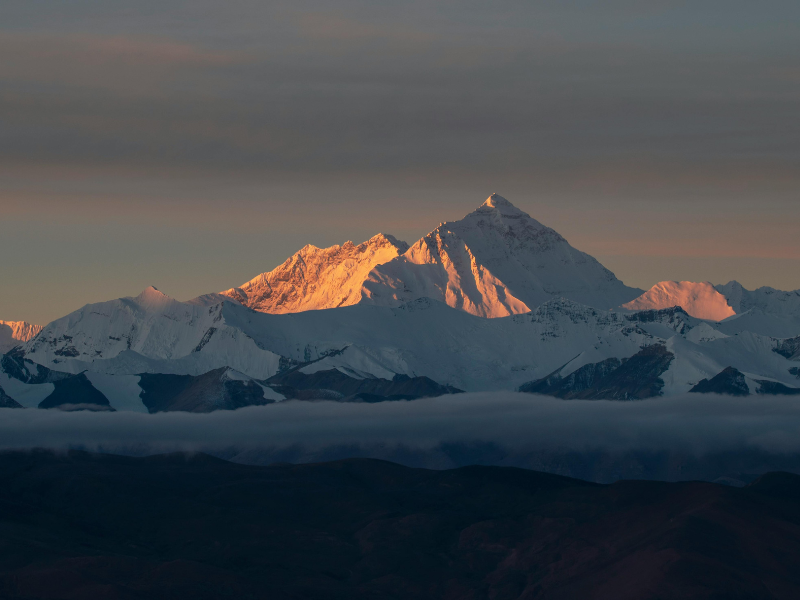
Everest Base Camp sits deep in the Nepalese Himalayas, tucked somewhere in towering peaks. Here, the landscape feels bigger and more dramatic at every turn. You trek through quiet valleys, cross swaying suspension bridges, and wander between yak caravans carrying supplies. Snowcapped giants like Ama Dablam and Lhotse surround you long before Everest itself even appears. Unlike Kilimanjaro’s single-peak presence, Everest is part of a massive mountain universe.
Trekking Experience – What It’s Really Like
Mount Kilimanjaro vs Everest: Trails and Terrain
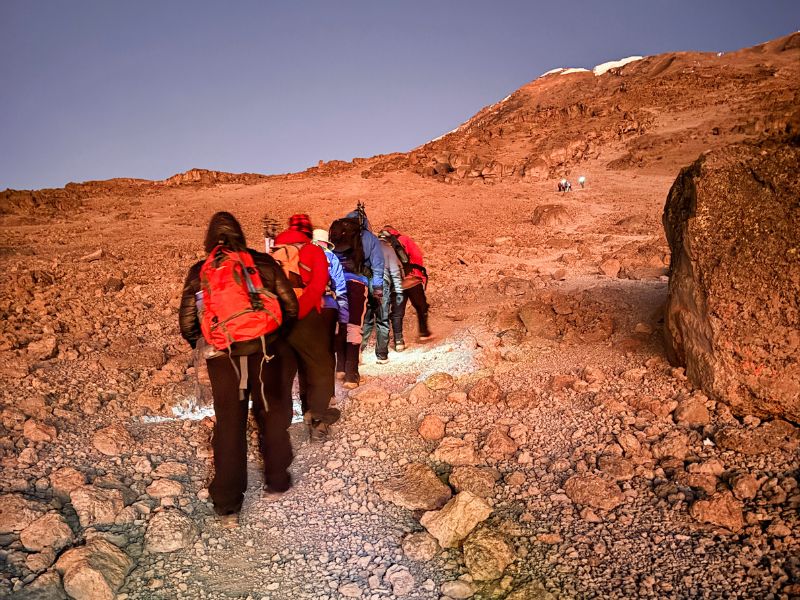
Trekking Kilimanjaro feels like walking through the world’s coolest outdoor museum. A new day, a new landscape. The trails, mostly non-technical in nature, are marked well along the way. They will mostly just involve steady uphill walking. You don’t need ropes or climbing skills. What you do need is patience and good pacing as you move from rainforest to moorland, then to bare volcanic slopes near the summit. The final push to Uhuru Peak is steep and slow, but incredibly rewarding once the sun rises over the clouds.
Everest Base Camp is a different kind of journey. Here, the trail winds through mountain villages, rocky paths, and high-altitude valleys. It’s not a climb; it’s a long, scenic trek with plenty of ups and downs. Some sections can be rocky, uneven, and exposed, and you’ll cross suspension bridges draped in prayer flags. The daily distances aren’t extreme, but the elevation gain and multi-day format make it a long game of endurance.
Cultural Encounters: Tanzania vs Nepal
On Kilimanjaro, the cultural element revolves around the warm, upbeat energy of your Tanzanian mountain crew. Guides, porters, and cooks bring the trek to life with songs, stories, and incredible support. When you finish, you step back into the relaxed atmosphere of Moshi or Arusha.
Everest Base Camp offers a deeper cultural immersion along the trail itself. You pass through Sherpa villages, spin prayer wheels, visit monasteries, and share paths with locals carrying supplies between settlements. Every stop gives you a taste of traditional Himalayan life.
Difficulty and Altitude
Mt Everest vs Mt Kilimanjaro: Which is Harder?
Here’s the truth most trekkers discover: Everest Base Camp is generally harder than Kilimanjaro, but for different reasons. Kilimanjaro takes you to a higher altitude — 5,895 meters — yet the trek is shorter, and you’re aiming for a summit. The challenge comes from the quick ascent and that intense final push in thin air.
Everest Base Camp, on the other hand, is a long, steady journey deep into the Himalayas. You spend many more days walking, climbing stairs, crossing valleys, and adjusting to the altitude. It isn’t a technical trek, but the daily effort adds up.
So, which is harder?
Kilimanjaro tests your altitude tolerance.
Everest tests your endurance over many days.
Is It Dangerous to Climb Mount Kilimanjaro?
Kilimanjaro is considered one of the safest high-altitude treks (that’s if you take acclimatization seriously). Thousands reach the summit every year without issues. The real risk is altitude sickness. Choose a longer route, go pole pole (slowly), stay hydrated, and listen to your guides. Climbing will be super manageable with the right team.
Altitude Challenges on Everest and Kilimanjaro
On Kilimanjaro, the altitude hits you fast. You go from 1,800 meters at the park gate to nearly 6,000 meters in a matter of days. That quick rise can trigger symptoms if you’re not pacing well. Summit night is where most people feel the altitude most intensely; headaches, fatigue, and slow steps are all normal.
Everest Base Camp gives your body more time to adjust, but you stay at high elevation for much longer. Towns like Namche Bazaar become acclimatization stops, not just quick check-ins. You’re sleeping high, trekking high, and spending two weeks living in thin air. That prolonged exposure can be tough, even with rest days.
Which Trek Is Right for You?
Choose Mount Kilimanjaro If…
You’re dreaming of standing on a summit (actually, the highest point in Africa). Kilimanjaro is perfect if you want a shorter trek (usually 6 to 8 days) with wildly changing scenery along the way. One day you’re in a misty rainforest, the next you’re walking across a desert-like moonscape.
Choose Kili if you want:
- A true summit experience
- A shorter itinerary
- A “four seasons in one mountain” kind of landscape
Choose Everest Base Camp If…
You’re someone who loves the journey as much as the destination. Everest Base Camp is all about the steady trekking through the Himalayas, meeting Sherpa communities, and soaking in traditional Nepali culture along the trail. The trek is longer and the altitude exposure is extended.
Choose EBC if you want:
- Cultural experience
- A multi-day adventure that comes your way slowly
- A classic Himalayan trekking experience
Ready to Plan Your Kili Trek?
If Kilimanjaro is calling your name, well, start turning that dream into a real adventure! Choose the right route, book with an experienced local team, and give yourself time to train.