Chobe vs Okavango Delta: Which Safari Destination is Right for You?
An adventure in Botswana can be as thrilling to plan as it is to experience. Brimming with stunning landscapes and a variety of wildlife, it’s hard to decide how to divide your time and what experiences to prioritize, especially when it comes to choosing between two of the most iconic destinations: Chobe vs Okavango Delta.
Don’t worry, though, we’re here to help. We’ve broken down everything, from the key differences to the budget and the best time to visit, to make sure you land exactly where your expectations are meant to carry you 🤍
Overview of Chobe National Park and the Okavango Delta
Chobe National Park, Botswana: Africa’s Elephant Capital
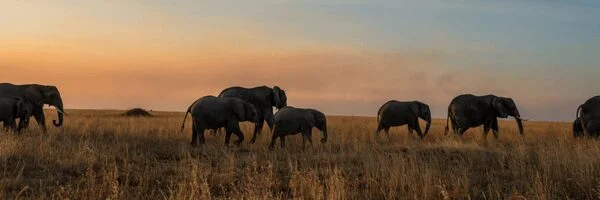
Step into Chobe National Park, Botswana, and you’ll quickly see why it’s called Africa’s elephant capital. This vast park is home to more than 120,000 elephants, making it one of the best spots on the continent to witness these giants in their natural habitat.
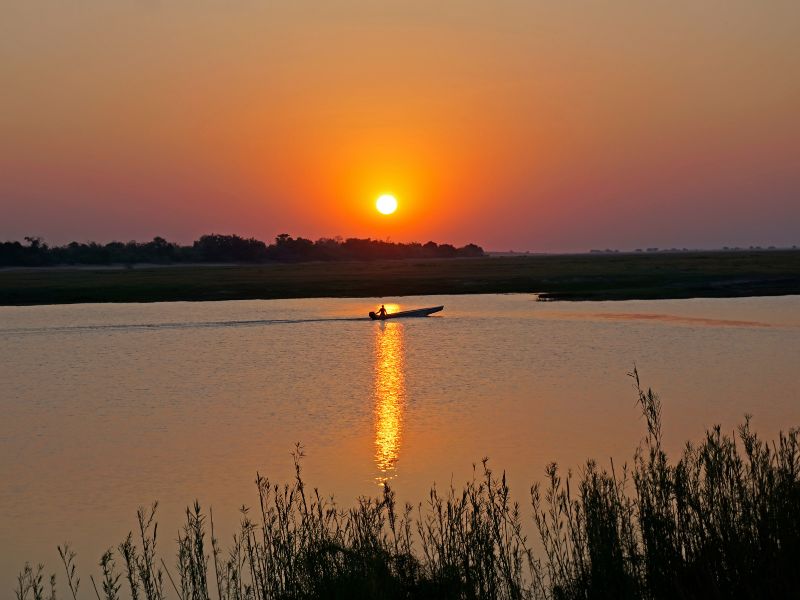
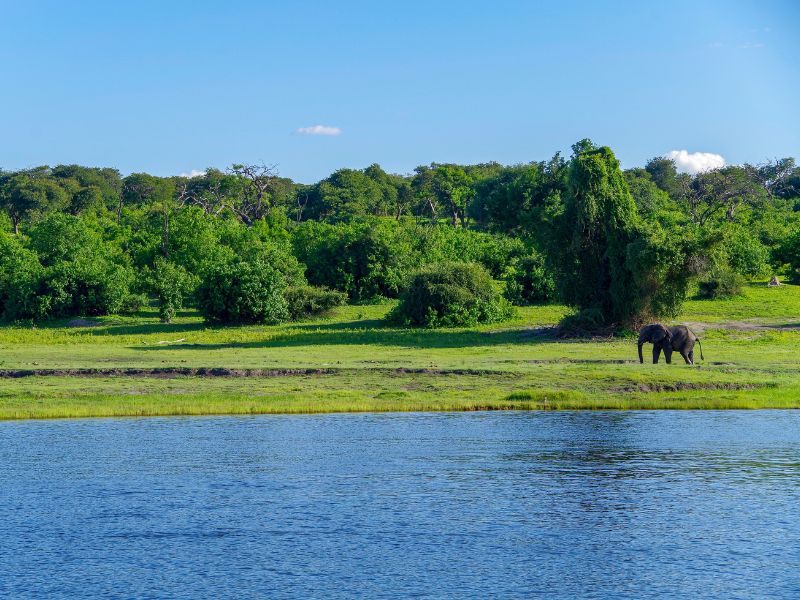
The Chobe River is the heart of the park. Along its banks, elephants gather in huge herds, often joined by buffalo, giraffe, and hippos. A boat safari here is just as exciting as a game drive, with a front-row seat to the wildlife action.
But it’s not just about elephants. The park is packed with predators too, including lions, leopards, and even the occasional wild dog. Birdwatchers will love it as well, since over 450 bird species call the park home.
The Okavango Delta: A UNESCO World Heritage Wetland Safari
The Okavango Delta stands apart as one of Africa’s most extraordinary destinations. Each year, seasonal floods transform the Kalahari sands into a lush maze of waterways, islands, and lagoons. It’s a living oasis that supports an incredible variety of wildlife.
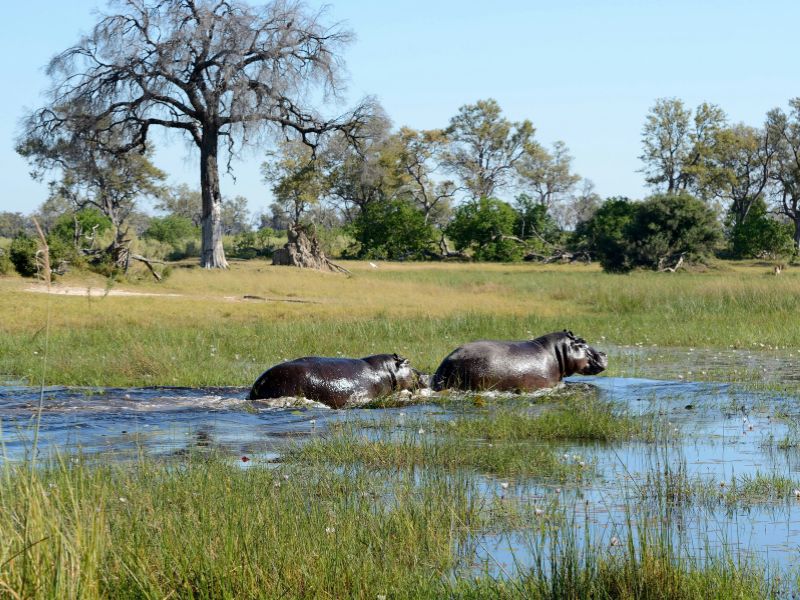
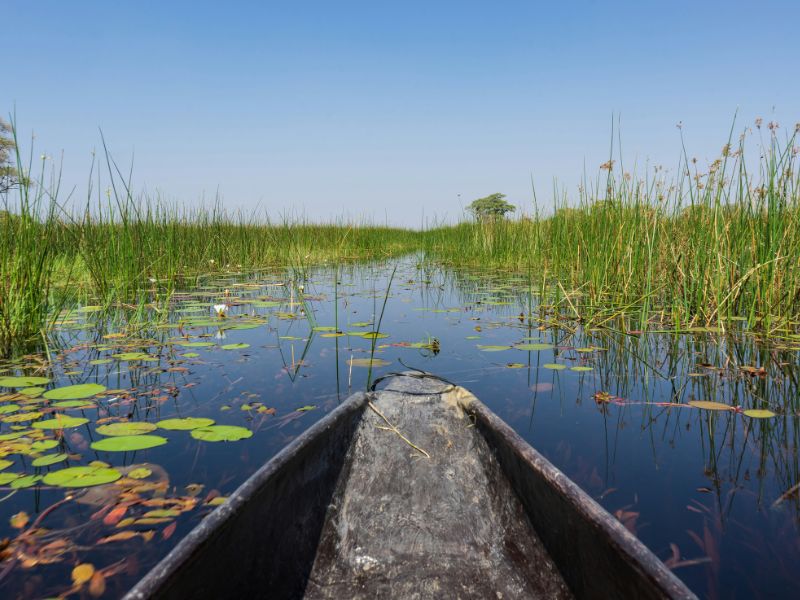
Here, the safari feels slower and more intimate. Instead of only game drives, you can glide through the channels in a mokoro canoe. Hippos snort in the shallows, elephants wade between islands, and lechwe leap gracefully through the water. Peaceful. Wild. And deeply immersive.
The Delta is also one of Botswana’s most exclusive safari destinations. Camps are smaller and more remote, which means fewer crowds and a more personal experience. This often comes at a higher price, though.
If Chobe National Park Africa is about dramatic elephant gatherings and accessible game drives, the Delta is about quiet moments and a sense of true wilderness.
Learn more on the Best Time to Visit the Okavango Delta.
Chobe National Park vs Okavango Delta: Key Differences
Wildlife and Safari Experience
When comparing Chobe National Park vs Okavango Delta, the main difference often comes down to how you see the wildlife.
In Chobe National Park, the action feels big and dramatic. Herds of elephants crowd the riverbanks, sometimes hundreds at once. Lions and leopards follow close behind, and the open floodplains make spotting game straightforward. A river cruise is just as rewarding as a land safari, with hippos, crocs, and buffalo adding to the show.
The Okavango Delta is a different story. The focus is on a more intimate encounter with nature. Because of the water channels, wildlife viewing often happens by mokoro canoe or boat. You might drift past elephants crossing the water or hear hippos before you see them. Predators are still around (lions, wild dogs, and leopards), but the setting makes it feel like a wilder, more untouched corner of Botswana.
Landscapes and Activities
One of the biggest contrasts in Chobe vs the Okavango Delta is the landscape.
Chobe National Park is shaped by the Chobe River and its wide floodplains. This open terrain makes it easy to spot wildlife, especially during the dry months when animals gather along the river. Activities focus on game drives and river cruises, which means you get classic safari moments with elephants, buffalo, and predators right in view.
The Okavango Delta, on the other hand, is all about water and wilderness. Seasonal floods create lagoons, palm-studded islands, and endless channels. Exploring by mokoro canoe or motorboat feels like stepping into another world. Walking safaris and fly-in camps also add a sense of adventure you won’t find in many other places.
So, between Chobe or Okavango, Chobe is the spot for dramatic riverfront game viewing, and Okavango is the place for immersive, water-based exploration.
Accessibility and Location in Botswana
Accessibility is another key factor when comparing Chobe vs Okavango Delta.
Chobe National Park is one of the easiest safari destinations to reach in Botswana. It sits right by the town of Kasane, where you’ll find an airport and plenty of lodge options. The park also borders Namibia, Zambia, and Zimbabwe, which makes it simple to combine a visit with trips to Victoria Falls or Caprivi. If you have limited time, Chobe is the more convenient choice.
The Okavango Delta is more remote. Most travelers fly in on small planes that land at bush airstrips near the lodges. This adds to the sense of exclusivity, but also makes it more expensive and a bit more complicated. Still, the journey is part of the adventure, and many consider it worth the effort for the wilderness experience.
The decision for Chobe National Park vs. Okavango Delta basically comes down to how much time you have and how far you’re willing to travel.
Okavango Delta vs Chobe Cost: Which Fits Your Budget?
Luxury Lodges and Fly-In Safaris in the Delta
The Delta usually sits on the higher end of the scale. Most lodges are remote, small, and designed to give you an exclusive wilderness experience. To get there, travelers often take fly-in safaris on small charter planes, which adds to the expense but also to the adventure.
The payoff is worth it if you’re looking for luxury. Picture tented suites overlooking lagoons, private mokoro trips, and fine dining in the middle of the bush. With fewer visitors allowed in at a time, you’re paying for both seclusion and an intimate connection with nature.
Chobe Game Reserve and Affordable Safari Options
If the Okavango Delta vs Chobe cost feels steep, then Chobe Game Reserve and the broader Chobe National Park offer plenty of more affordable safari choices.
Kasane, the gateway town to Chobe, has accommodation for every budget, from simple guesthouses to comfortable mid-range lodges right along the river. Game drives can be booked daily, and boat safaris on the Chobe River are easy to arrange without the added expense of charter flights.
That makes Chobe a favorite for those who want the thrill of seeing elephants, buffalo, and predators without breaking the bank. You can still enjoy incredible wildlife sightings, dramatic river scenes, and varied safari activities at a fraction of the price compared to the Delta.
When to Visit: Chobe or Okavango Delta for the Best Safari?
Best Time for Chobe National Park Safaris
Timing makes a big difference when comparing Chobe vs Okavango Delta.
For Chobe National Park, the dry season from May to October is the prime time. Water sources shrink, and animals gather in huge numbers along the Chobe River. This is when you’ll see those iconic elephant herds and predators following close behind. The weather is cooler, too, which makes long game drives more comfortable.
The wet season (November-April) paints the park green and lush. Birdwatching is at its best, with migratory species filling the skies. Wildlife is still there, but sightings can be more spread out since animals no longer rely only on the river. This time of year is also quieter and more budget-friendly, making it appealing for those who prefer fewer crowds.
Best Time for Okavango Delta Floods and Wildlife
The Okavango Delta runs on a different rhythm than Chobe National Park.
The floods arrive between May and August, peaking in June and July. Ironically, this happens during Botswana’s dry season. As the waters spread across the Delta, they transform it into a lush network of channels and islands. Wildlife gathers on the higher ground, bringing easier sightings and an unforgettable experience. This is also the best season for mokoro trips and boat safaris, when gliding through the waterways feels magical.
From September to October, the waters slowly recede, concentrating animals around permanent waterholes. Predator action is intense, and it’s a fantastic time for photography.
The green season (November to April) is quieter but equally rewarding. Migratory birds arrive in large numbers, and newborn animals appear across the Delta. Lodges often lower their rates, so travelers weighing the Okavango Delta vs Chobe cost sometimes choose this window for better value.
Read more on the Best Times to Visit Botswana.
Which Destination Should You Choose — Chobe or Okavango?
Ideal for First-Time Visitors
Answering “Chobe vs Okavango Delta?” also depends on whether you’re a first-time visitor or a seasoned traveler. For newbies, Chobe National Park is often the easier choice because it’s accessible and affordable, but packed with the same thrill.
The Okavango Delta, while breathtaking, can be more challenging for first-timers. Reaching it usually involves charter flights and higher costs. The pace is slower, the focus is more on exclusivity, and the activities feel more specialized. It’s best saved for when you know what kind of safari style you enjoy most.
Perfect for Exclusive, Remote Adventures
The Okavango Delta takes the lead if you’re dream safari is all about seclusion and a true sense of wilderness. And why not? With just a handful of guests at each lodge, the experience is personal, quiet, and deeply connected to nature.
By contrast, Chobe National Park is more social and lively. The game viewing is spectacular, but you’ll often share the river or roads with other safari vehicles. If you thrive on the buzz of shared game drives and love the social side of safaris, then you might as well choose Chobe for its lively atmosphere and nonstop wildlife action.
Done deciding between Chobe vs Okavango Delta? The next step is to turn your dream into reality with Good Earth Tours, where a trusted operator will offer tailor-made safaris to help you experience Botswana at its best!