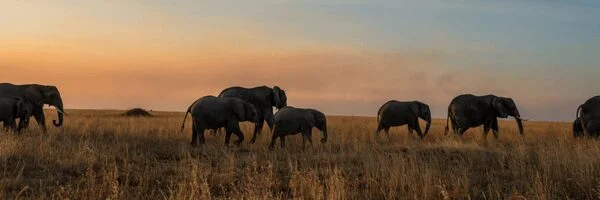
Best Time to Visit Namibia for Wildlife, Landscapes, and Culture
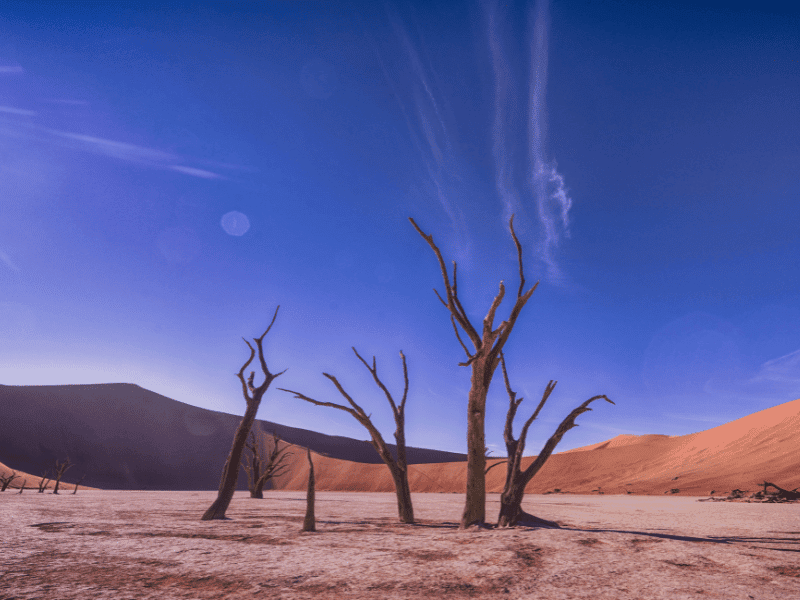
Namibia is a land of contrasts: towering sand dunes, salt pans stretching to the horizon, rugged mountains, and a coastline where desert meets the Atlantic. It’s a country that stirs adventure in the hearts of travelers, whether you’re tracking elephants in Etosha, photographing the red dunes of Sossusvlei, or learning the traditions of the Himba people. It is also the only country in the world that houses the oldest desert where you can find large mammals like elephants.
Namibia is generally dry, with a predominantly arid and sunny climate throughout the year.
But with such diverse attractions, travelers often wonder: what is the best time to visit Namibia? The answer isn’t the same for everyone—it depends on what you want to experience. Some travelers prioritize wildlife, others crave striking landscapes, and some look for cultural immersion.
This in-depth guide will walk you through the best time to visit Namibia Africa, explore seasonal differences, and provide a month-by-month breakdown to help you plan your trip with confidence.
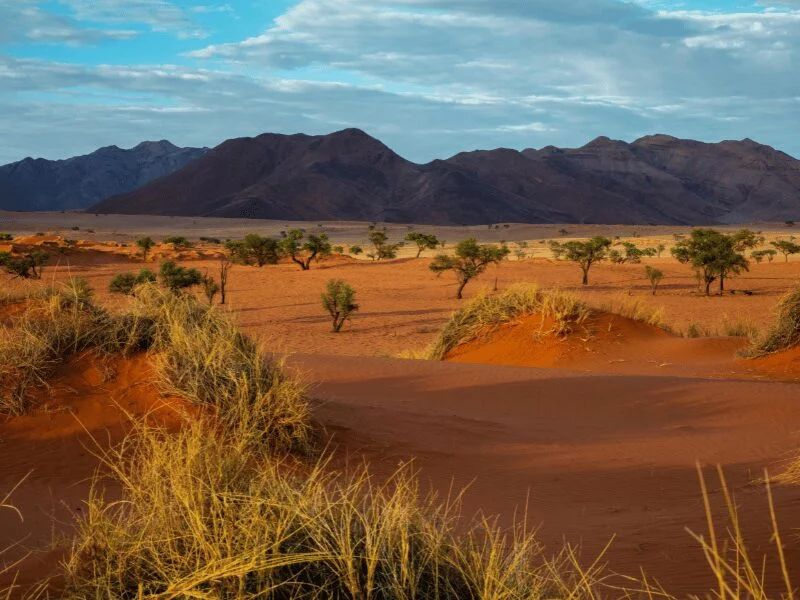
Introduction to Namibia
Namibia, nestled in the heart of Southern Africa, is a land where dramatic contrasts define the landscape. From the sweeping, arid expanse of the Namib Desert—one of the world’s oldest deserts—to the lush green vegetation of the Caprivi Strip in the northeast, the country offers a visual feast for every traveler. The best time to visit Namibia is during the dry season, which runs from May to October. During these months, daytime temperatures are pleasantly moderate, making outdoor exploration comfortable, while nighttime temperatures can drop significantly, especially in desert areas—so packing warm clothes is essential.
This period is also the peak safari season, drawing wildlife enthusiasts from around the globe. As water becomes scarce, animals congregate around the remaining waterholes, creating unforgettable wildlife viewing opportunities. Etosha National Park, renowned for its abundant game and iconic salt pan, is at its most spectacular during this time, offering some of the best game viewing in Africa. Whether you’re seeking the stark beauty of the Namib Desert or the vibrant life along the Caprivi Strip, the dry season is the ideal time to visit Namibia for those hoping to experience the country’s wild side at its best.
When is the Best Time to Visit Namibia?
The quick answer: the best time to visit Namibia is during the dry season from May to September. This period is widely considered the best time to visit Namibia for safari, with wildlife concentrated around waterholes in Etosha National Park. Days are sunny and comfortable, though nights can be chilly.
But Namibia is more than just safaris—it’s one of the most photogenic countries in Africa, with endless landscapes, cultural traditions, and a unique coastline. That’s why the best time of the year to visit Namibia depends on your interests:
- Wildlife enthusiasts: May to September (prime safari season).
- Photographers & landscape lovers: April, August, and October for perfect light and dramatic contrasts.
- Cultural travelers: Year-round, with highlights during festivals like the Marula Festival in February.
- Birdwatchers & nature lovers: November to March, when rains bring life to the desert and migratory species arrive.
Keep in mind that school holidays, especially in December and early January, coincide with peak visitor numbers, which can impact travel plans and availability.
So, when to visit Namibia ultimately depends on what you want to prioritize.
Understanding Namibia’s Climate and Seasons
Namibia has one of the driest climates in sub-Saharan Africa, but its seasons still shape the travel experience. Daytime temperatures can be hot, while nights are often cool, especially in the desert. Average temperatures range from 20°C to 30°C during the day in the dry season (May to October), and can rise above 35°C in the wet season (November to April), with cooler nights throughout the year. Understanding these helps you decide what is the best time of year to visit Namibia for your trip.
The Dry Season (May – October)
- Weather: Blue skies, little rainfall, clear skies, almost no rain, daytime highs of 20–30°C, but nights can drop close to freezing—especially in the desert.
- Wildlife: This is the Namibia best time to visit for wildlife. As water sources dry and sparse vegetation prevails, it becomes easier to spot wildlife around limited water sources, offering spectacular sightings at Etosha’s waterholes.
- Travel conditions: Roads are dry, and the dry season offers pleasant conditions for exploring remote areas like Damaraland and Kaokoland.
- Downside: Parks and lodges are busier, and prices peak. Temperatures drop significantly at night, especially in desert regions.
The Green Season (November – April)
- Weather: The rainy months (wet season) from November to April bring torrential downpours, especially in the late afternoons, and are characterized by humid days and unpredictable weather. Afternoon rains bring relief to the desert. Temperatures are hotter, reaching 30–35°C in the interior. The wettest time occurs during mid summer, when the first rains transform the landscape and recent rains lead to lush, green scenery.
- Wildlife: Animals scatter, but this is the best time of the year to visit Namibia for birdwatching. Migratory species arrive, and many animals give birth.
- Scenery: The desert transforms into a sea of green, dotted with wildflowers. Photographers will love the dramatic skies.
- Downside: Wildlife is harder to spot, and some dirt roads can be muddy. Travel can be affected by heavy rainfall and muddy roads during the wet season.
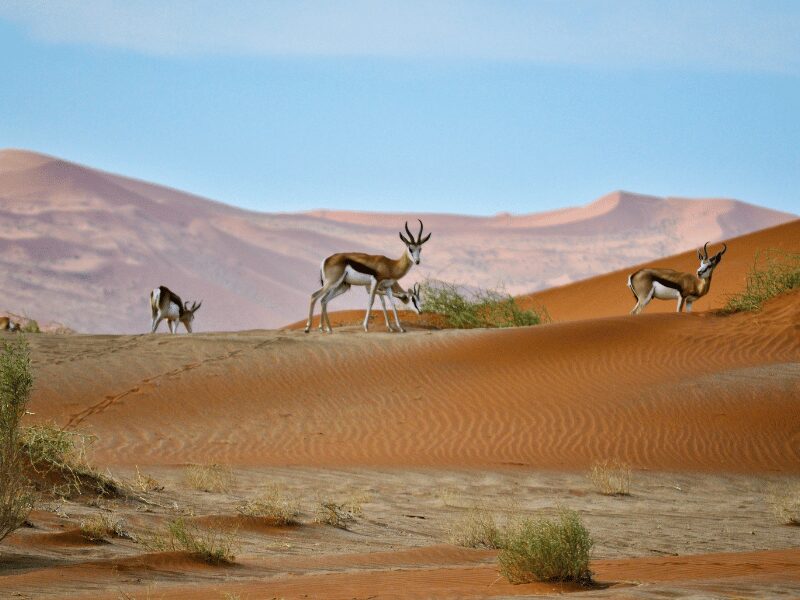
Best Time to Visit Namibia for Wildlife
May – September: Safari Season at Its Best
If your dream is to see Namibia’s iconic wildlife—elephants, lions, giraffes, rhinos, and herds of springbok—the best time to visit Namibia for wildlife is during the dry months. In Etosha, animals gather at waterholes, making it much easier to spot animals, with sightings both predictable and rewarding.
Game drives are at their most productive, and you’ll often see predator-prey interactions. This period is ideal for spotting wildlife, and for many, it defines the best time to visit Namibia for safari.
August: The Best Month to Visit Namibia for Safari and More
August is often considered the best month to visit Namibia because it combines everything: dry weather, excellent wildlife viewing, clear skies, and cooler temperatures, making outdoor activities more comfortable. This is also an ideal time to visit iconic landscapes like Sossusvlei and Damaraland. However, it’s also peak season, so booking early is essential.
Best Time to Visit Namibia for Landscapes
Namibia is a photographer’s paradise, and the best times to visit Namibia for landscapes depend on the mood you want to capture. After the rains, green landscapes emerge, offering unique photographic opportunities with lush scenery and vibrant vegetation.
Sossusvlei and the Namib Desert
- Dry season: The golden hour light on the red dunes is iconic. With clear skies, it’s the best time of year to visit Namibia for dramatic sunrise and sunset shots, and also an excellent time for star gazing in the Namib Desert.
- Green season: Rare rains create temporary lakes in the pans, offering extraordinary photo opportunities.
Damaraland and Skeleton Coast
Best explored during cooler months (June–August), Damaraland, Skeleton Coast, and the Kalahari Desert each offer unique seasonal conditions. Desert-adapted elephants and unique rock formations make this one of the best times to visit Namibia for adventure travelers.
Photographers’ Tip
The green season might not be the best time to visit Namibia for safari, but it’s one of the best times of the year to visit Namibia for dramatic skies—the green season also brings spectacular thunderstorms, which can create striking photographic opportunities—wildflowers, and unique contrasts. And for those new in photography you can read this blog on the best safari cameras and how to choose yours.
Best Time to Visit Namibia for Culture
Cultural Festivals
Namibia’s cultural diversity is best experienced year-round, but festivals add vibrancy to your journey. For example:
- Marula Festival (February): Celebrates harvest traditions in northern Namibia.
- Oshakati Carnival (early April): A colorful cultural event inspired by European carnivals but uniquely Namibian. Taking place in early April, the carnival coincides with the end of the rainy season and the start of drier weather.
Authentic Encounters
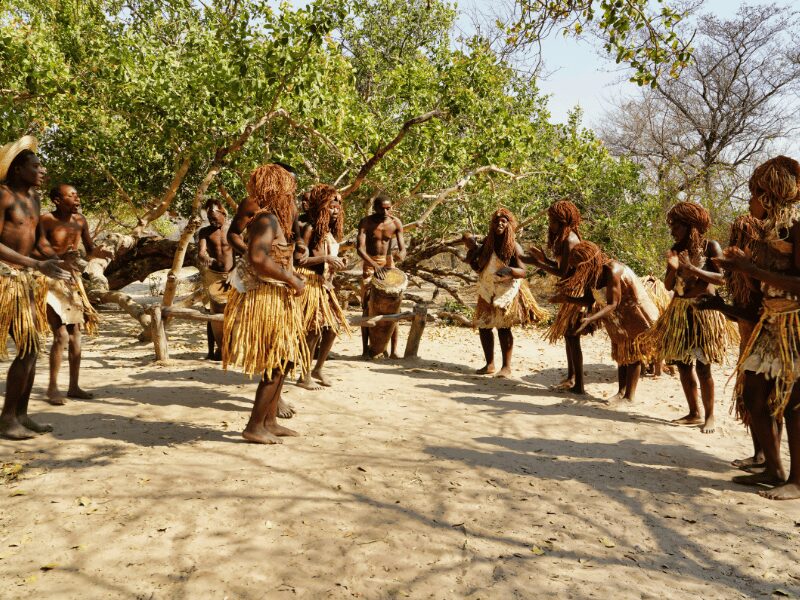
If your focus is cultural tours, the shoulder months of April and October are ideal. Tourist numbers are lower, allowing for more intimate and genuine interactions with Himba, Herero, and San communities. For travelers asking “when is the best time to visit Namibia for culture?”, these months strike the perfect balance.
When to Visit Namibia Month by Month
January – March
- Peak of the rainy season.
- Excellent for birdwatching, landscapes, and newborn wildlife.
- The Fish River Canyon is particularly striking during this period, with dramatic scenery enhanced by the rainy season.
- Not the best time to visit Namibia for safari, but perfect for photographers.
April
- Transition month with mild weather and fewer crowds.
- Great for wildlife and landscapes—one of the best times of the year to visit Namibia for balance.
May – June
- Dry season begins, animals gather near water sources.
- Roads are dry, making self-drive trips easier.
- Considered one of the best months to visit Namibia.
July – September
- Peak safari season.
- The best time to visit Namibia for wildlife—Etosha is at its best. This period coincides with Namibia’s winter, characterized by cool, dry weather and excellent wildlife viewing.
- Nights are cold but days are sunny.
- For many, this is simply the best time to visit Namibia.
October
- Hot and dry, with maximum temperatures often quite high in October, so travelers should be prepared for heat, but still excellent for game viewing.
- Shoulder season rates available.
- Widely regarded as one of the best months to visit Namibia for those balancing value with wildlife.
November – December
- The rains return, creating lush green scenery.
- Migratory birds arrive—great for birdwatchers.
- While it’s not the best time to visit Namibia for safari, landscapes are stunning.
- A great choice for travelers asking “what is the best time to visit Namibia if I want quiet and scenery?”
Practical Tips for Planning Your Trip to Namibia
Packing for the Season
- Dry season: Warm jackets for morning game drives, sun protection for daytime.
- Green season: Light clothing, waterproof jackets, and insect repellent.
If you are looking for places to get your Safari clothes here is the guide explaining 5 best places in the Us to get safari clothes.
Booking & Travel Advice
- For the best time to visit Namibia Africa (May–September), book lodges and tours at least 6–9 months ahead.
- Traveling in the green season offers discounted rates, fewer tourists, and a more relaxed atmosphere.
Conclusion
So, what is the best time of year to visit Namibia? For unforgettable wildlife and safari experiences, the dry season from May to September is unmatched. For photographers, cultural travelers, and birdwatchers, the green season offers beauty and fewer crowds.
Ultimately, the best time to visit Namibia depends on your travel goals. Whether you want to witness Etosha’s wildlife, photograph the dunes of Sossusvlei, or celebrate traditions with local communities, Namibia is a destination that shines year-round.
Let Good Earth Tours guide you in crafting the perfect journey, tailored to the season that best matches your dreams. Contact us today!