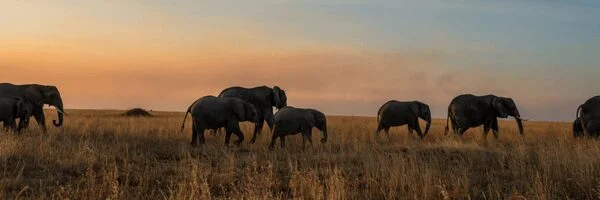
What to Do on an Etosha National Park Safari: Top Wildlife Experiences
Etosha National Park, one of Africa’s most popular wildlife reserves.
A site that is renowned for its game viewing at watering holes, vast salt pans, and diverse animal populations, including lions, elephants, rhinos, and more. It is also one of the very few parks in the country that allow for self-guided game drives.
Travelers from all over the world visit this destination to witness wildlife in its most authentic, untamed form. And if you, too, are planning an Etosha National Park safari, we’ve put together the ultimate guide for you, covering what to do, when to visit, and everything in between 🤍
Why Visit Etosha National Park?
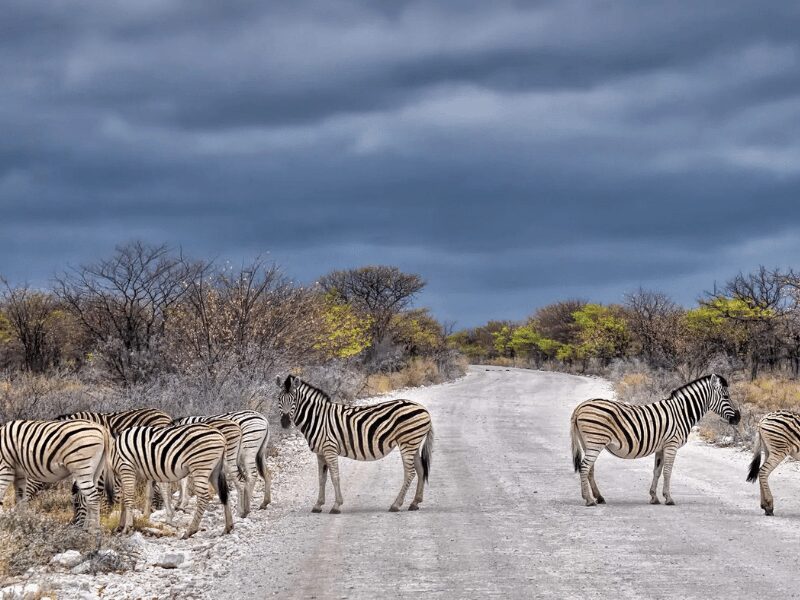
Located in Northern Namibia, Etosha National Park offers a truly unforgettable safari experience. But if you’re still wondering what makes an Etosha Park safari different (and better) than other renowned African parks, such as Masai Mara or Kruger, here are some top reasons that will answer all your questions:
Self-Drive Option- It is one of the rare game reserves that allow tourists to explore the park on their own, which, in our opinion, takes the experience to the next level. And why not? The liberating feeling of freely exploring everything at a personalized pace is definitely unbeatable.
Affordable- Compared to neighboring destinations, like Kenya, Botswana, and Tanzania, an Etosha Namibia safari is much more budget-friendly, but still offers an equally spectacular wildlife experience.
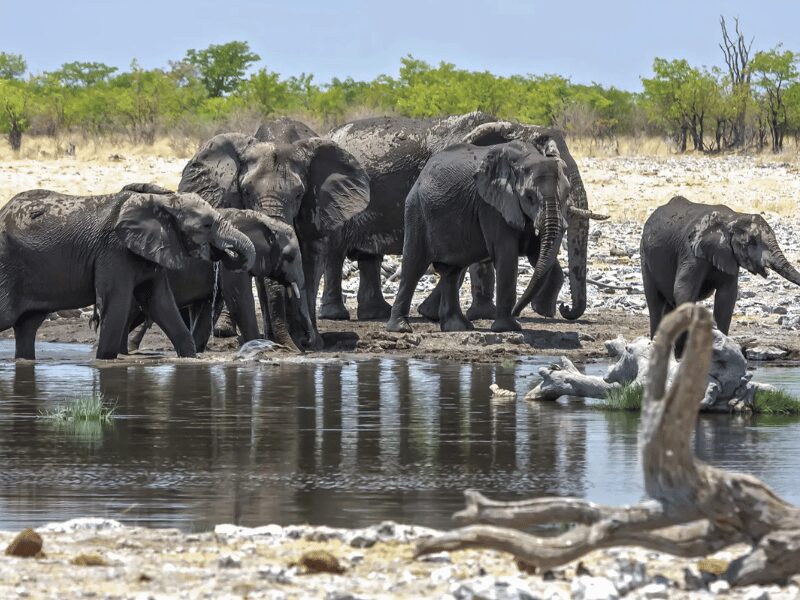
Waterhole Game Viewing- Not something you find everywhere. The park’s network of natural and man-made waterholes attracts an incredible variety of wildlife throughout the day. Visitors can simply park nearby and observe elephants, giraffes, zebras, rhinos, and even predators like lions as they come to drink.
Where is Etosha National Park?
Etosha National Park is located in northern Namibia, about 400 kilometers north of Windhoek, the country’s capital. It’s a vast expanse of wilderness covering roughly 22,270 square kilometers. Yes, if you’ve been wondering how big is Etosha National Park, it is massive enough to feel like you’re driving through an entire country of wildlife 😱
The park’s name, Etosha, actually means “Great White Place,” thanks to this endless shimmering salt pan that forms its centerpiece, and can even be seen from space!
Wondering how to get to Etosha National Park? It’s pretty straightforward. Most travelers fly into Windhoek and then either join a guided Etosha park safari or rent a car for a self-drive adventure. Either way, an incredibly exciting experience awaits you.
Things to do in Etosha
Unique Wildlife
The unique wildlife found in the Etosha National Park is the reason why travelers choose this destination over others. Sure, the Big Four (elephants, lions, leopards, and rhinos) are impressive, but there’s so much more to the park’s animal kingdom.
Keep an eye out for honey badgers (fearless little creatures), bat-eared foxes, and jackals trotting confidently along the roadsides. And, of course, there’s the surreal sight of flamingos gathering in the salt pans when water levels are right.
Getting ready for an African safari? Find out How to Spot The Difference: Cheetah vs Leopard.
The Etosha Salt Pan
A vast expanse that gives the park its name, the Salt Pan, covers almost a quarter of the entire park. During the dry season, it’s a stark white expanse that creates a surreal, otherworldly landscape. But when the rains come, it transforms into a shallow lake, attracting thousands of flamingos and other waterbirds.
Onkoshi camp is exactly on the edge of the pan, so you get to enjoy the best views of the empty, wide-open landscape. But if you’re not among the lucky guests overnighting here, don’t worry. There will still be plenty of chances to see the pan on your game drives.
Self-Drive Safari Friendly
One of the most fun things to do in Etosha is to get out there and find some of its wildlife (and stunning landscapes) for yourself. Even better if you love driving like most of the visitors there, going around in their 4x4s, sedans, and campers. If it’s your first time, you will surely want to spot the big guys, like leopards, elephants, rhinos, and cheetahs. You won’t find crocodiles, wild dogs, or buffalo, though.
But don’t miss out on the smaller creatures, including monitor lizards, banded mongooses, and honey badgers, which are all super fascinating to watch. On your way to Klein Namutoni waterhole, look out for Namibia’s smallest antelope, the Damara dik-dik. At the other end of the scale, search for the largest antelope, the eland, at waterholes like Kalkheuwel.
For the best opportunity to spot powerful predators, head out super early in the morning, or right before sunset. Mid-morning is prime time for animals like giraffes, elephants, and wildebeest, gathering to drink at waterholes, particularly during the dry season.
Tip- Take it slow, around 30km/h, so you can thoroughly scan the surroundings for wildlife, without skipping even the tiniest insects.
Accessibility
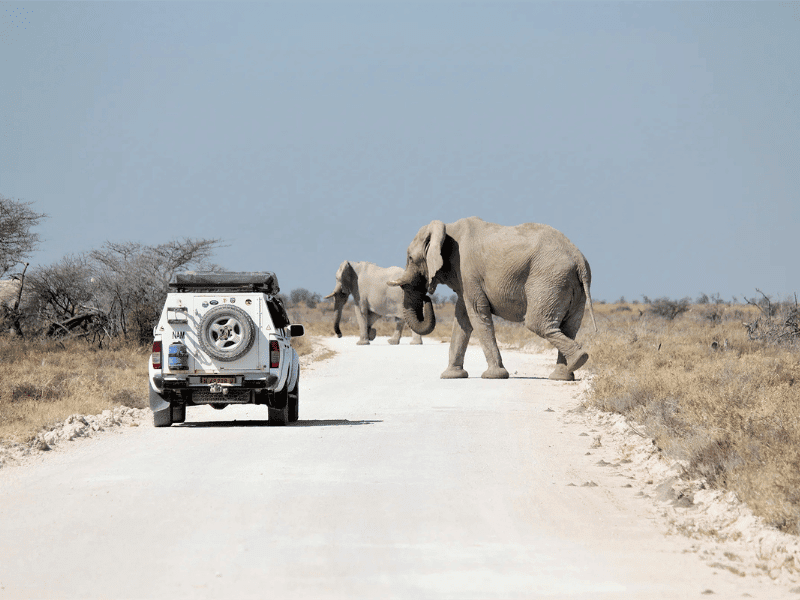
Perhaps the best part about an Etosha National Park safari is its accessibility. The park has four main entrance gates (Anderson, Von Lindequist, Galton, and King Nehale), making it easy to enter from different directions, depending on your Namibia itinerary.
Roads inside the destination are well-maintained gravel routes, suitable for most vehicles, although a 4×4 is recommended if you’re planning to venture off the main routes or travel during the rainy season.
Most of the camps inside the park, such as Okaukuejo, Halali, and Namutoni, offer fuel stations, shops, and basic supplies, making it convenient for longer stays. Plus, these camps are strategically located for easy access to the best waterholes and game viewing areas. Kids or older family members, the experience is designed to be accessible to all types of travelers.
Diverse Landscapes
An Etosha National Park safari practically offers everything, including diverse, awe-inspiring landscapes. While the famous salt pan dominates much of the scenery, the park also features mopane woodlands, open savannah, grasslands, and dense bush areas, each offering a unique safari experience.
Driving deeper into the destination, you will notice how dramatically the scenery shifts, sometimes within just a few kilometers. This variety attracts different types of wildlife to different areas, and makes the landscapes feel new and unpredictable.
Birdwatching Paradise
Etosha is not only about big mammals; it’s also a wonderland for bird-lovers! With 340+ bird species, there’s plenty to catch your eye while on game drives around the park.
Among the most spectacular is the flamingo. When there’s water, you can spot them at Fischer’s Pan with a couple of other water birds, such as avocets, pelicans, black-winged stilts, and African spoonbills.
There’s also a bunch of raptors, like white-headed and lappet-faced vultures, sparrowhawks, secretary birds, and martial eagles. Smaller treasures feature puff backs, black-collared barbets, violet woodhoopoes, and prinias. Take a walk around the camps and listen closely to their calls to help you spot some of the small birds. And don’t forget to keep your eyes peeled for the owls!
When to Visit Etosha National Park?
For the best overall wildlife viewing, the dry season (May to October) is best, with September/October being rewarding for concentrated sightings around waterholes. The temperature during the warm months is also much more comfortable, featuring clear, sunny days. The vegetation is also quite barren, so there will be minimal obstructions when spotting wildlife. Given the ideal conditions, this period is the high season, when prices are high, crowds are dense, and bookings fill up quickly.
If you prefer more of a quieter & peaceful Etosha National Park safari, the green season from November to April is best, which also happens to be perfect for stunning photography and bird-watching chances. Many animals also give birth during this season, a sight that is truly a treat to the eyes. However, the weather can be unpredictable, paired with occasional thundershowers and unexpected temperatures, at times rising to over 30°C.
Ready to experience the magic of Etosha National Park, Namibia, yourself? Book with Good Earth Tours today for a memorable journey ✨