The Best Time to Visit Kenya on Safari: A Seasonal Guide to Wildlife and Weather
Kenya is a year-round safari destination with multiple drawcards, each depending on the animals you’d like to see, the activities you want to do, and the type of weather you’re expecting.
The best time to visit Kenya on safari is typically during the dry season, from June to October (or December to March, when rainfall is low and wildlife viewing is easier). These periods coincide with the high season, so be ready for larger crowds and comparatively higher accommodation rates. But, the question remains. When to visit Kenya? What really is the perfect time? Let’s answer it all 📝
When is the Best Time to Visit Kenya?
Quick Answer: June to October (Dry Season)
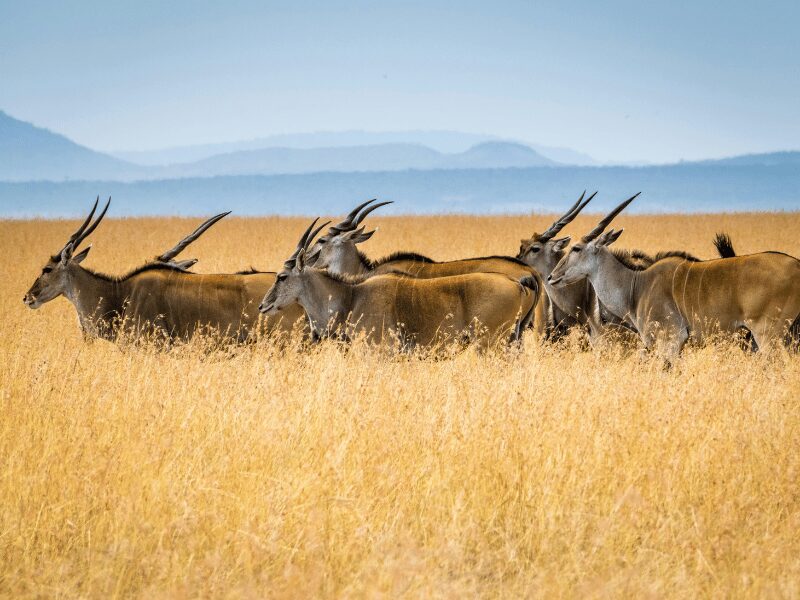
June to October is your golden window. Why? Because it’s Kenya’s dry season, when wildlife gathers around shrinking water sources, making them easier to spot. Think clear blue skies. Endless savannah views. And animals out in the open like they’re posing just for you.
But here’s the fun part… Kenya isn’t just a ‘one season fits all’ destination. Depending on whether you want to catch the Great Migration thunder into the Maasai Mara, see newborn animals take their first steps, or enjoy lush green landscapes with fewer crowds, every month has something special up its sleeve.
In short? There’s never a bad time to visit Kenya. Just different shades of spectacular.
Why the Dry Season is Ideal for Safaris
There’s definitely not one reason.
Clear Skies, Crisp Views- With hardly any rain from June to October, the skies are as clear as your safari dreams. No sudden showers to dampen your game drive, just perfect weather to spot wildlife from miles away.
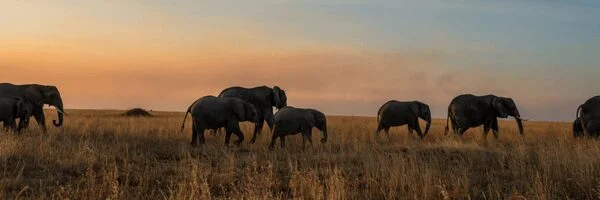
Wildlife at Waterholes- During the dry months, rivers and waterholes become the lifeline for animals. Elephants, buffaloes, giraffes, zebras, everyone’s gathering for a drink. It’s like nature’s own meet-and-greet event, and you’ve got VIP front-row seats.
Grass is Short, Sightings are Long- Minimal rainfall means short and dry grasses, and what does that mean? You can spot all the animals otherwise hidden away during the wet season.
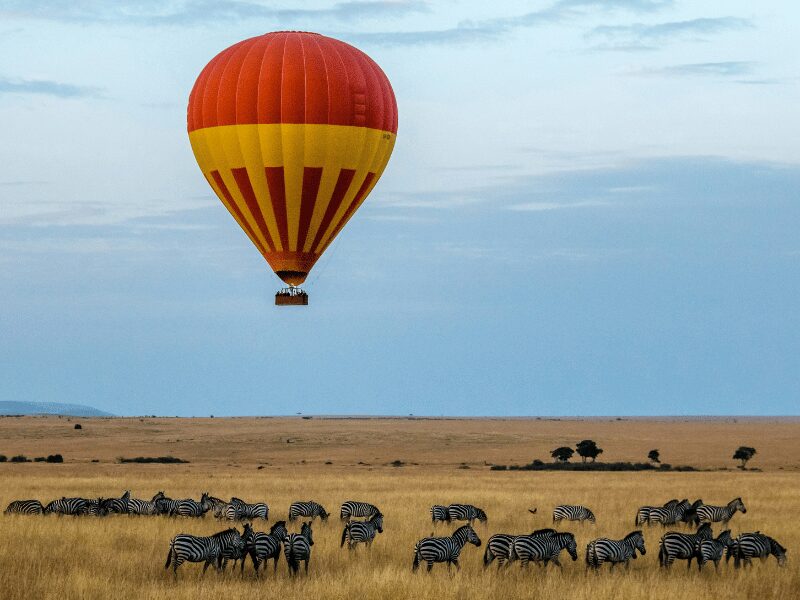
Nature’s Greatest Show, The Great Migration- And of course, July to October brings the grand spectacle: millions of wildebeest and zebra crossing into the Maasai Mara, chased by hungry crocodiles and big cats lurking in the grass. Dramatic. Breathtaking. And worth every dusty mile.
Best Time to Visit Kenya’s Masai Mara
So, when is the best time to visit Kenya’s Masai Mara? Let’s just say… if you’ve ever dreamed of witnessing nature’s ultimate live performance, you’ll want to time it right.
July to October- The Great Migration
One major event that defines the best time to visit Kenya Masai Mara is the Great Migration. A spectacle that is much more thrilling than caught on camera… something you wouldn’t want to finish your once-in-a-lifetime African safari without.
It’s not just a wildlife sighting, but a raw, unfiltered drama of survival, playing out before your eyes. Crocodiles snap at hooves mid-stream. Lions wait patiently on the other side. The tension is thick. Nowhere else will you see such concentrated action; the fear, the courage, and the sheer will of these animals to keep moving forward.
But that’s not it. Between these adrenaline-charged crossings, you will find quieter moments too. Think wildebeest calves sticking close to their mothers or giant elephants grazing peacefully in the distance, seemingly unbothered by the chaos around them.
Simply, the Great Migration months are your answer to when to visit Kenya. They’re the most heart-pounding chapters in the country’s endless wildlife story.
Consider Shoulder Months for Fewer Crowds
The low-season, shoulder months can be equally rewarding, all in their own ways, without the crowds & congestion. But what makes them so special? Foremost, the peace and quiet. Nature is your only company (and, of course, an expert guide). Second, the short rains. Lush landscapes and freshly blooming flowers make the experience all the more scenic. Third, and best of all, the shoulder months offer lower prices without compromising on luxury. A top-notch experience at a friendlier price. Who doesn’t love that?
Month-by-Month Guide to Visiting Kenya
January to February
January is the height of the summer season. It lies out of the two “short” and “long” rainy periods, and is an excellent time for beach holidays on the Kenyan coast, but, keep in mind, temperatures will be quite high.
February is another best month to visit Kenya. The central highlands tend to be cool during the evenings and warm in the afternoon. The coast is extremely hot, but evenings follow suit in the evening. It’s the time when the country experiences the lowest level of precipitation, and the chances to encounter wild species at watering holes are the highest.
March to May (Long Rains)
The weather takes a quick flip from ‘hot and dry’ to ‘wet and rainy’ in March. Rain is frequent throughout large parts of the country, and the savannah becomes super muddy, with some areas even becoming inaccessible. The silver lining to the less-than-ideal season is that crowds are less and prices are lower.
April is the wettest, rainiest period. The central highlands are comfortable at night, but hot during the day, while Mosamba remains hot both during the day and night. Though game drives can be challenging, April is the best time to visit Kenya safari for photographers. No dust. Lush landscapes. Stunning skies. Just be sure to protect your equipment 😬
In May, the long rains move to quench the African plains and the coastline. The beaches no longer remain a sunshine paradise, and it’s definitely not an ideal time for powder-soft sand.
June to October (Dry Season)
June marks the start of the long dry season, also known as the best time of year to visit Kenya on safari. The weather is at its best. Wildlife congregates around water sources. And there is excitement in the air for the arrival of the Great Migration in Masai Mara.
July is when you can have a front-row seat to the dramatic river crossings, when herds of Mother Nature’s greatest spectacle begin to arrive. The weather is perfect. Temperatures are warm, but it’s not too dusty, and occasional shower bursts are still possible.
In August, the Great Migration reaches its peak. Temperatures are pleasant, and awe-inspiring action takes place when thousands of zebras and wildebeest showcase their death-defying river crossings, as hungry crocodiles wait. As for September, the weather remains dry, and game-viewing actions continue.
Come October, the migratory herds start leaving the Masai Mara, but Kenya is never short on resident wildlife to keep safari enthusiasts entertained in the Big 5 country.
November to December (Short Rains)
November signals the beginning of the short rains. Most parks and camps remain open, but some on the Laikipia Plateau will close. Despite the rain, it’s still a good time to visit Kenya for safari, especially if you’re aiming for an experience in lesser crowds and cheaper accommodations.
The last month of the year can be super hot with potential rain, but local wildlife viewing is spectacular. December is also perfect for birdwatchers, as there will be a lot to see during this season.
Other Factors to Consider When Planning Your Trip
When planning an African safari, more than just season goes into a final decision. A lot of factors impact your adventure, let’s unpack them.
Budget & Pricing by Season
June to October + December to March- The best time to visit Kenya on safari, but also the most expensive. Expect higher lodge rates and more travelers (especially during the Great Migration).
March to May- Low season, so the rush is lesser and the crowds are fewer. Some areas may be muddy, but if you’re on a budget and don’t mind occasional showers, it’s a great time to visit.
November to early December- A sweet spot with moderate prices, fewer tourists, and lush green landscapes after the short rains.
Crowd Levels and Booking Windows
The best time to visit Kenya on safari isn’t just about the weather, but also about how crowded it will be and when to book. During the high season, book at least 6-12 months in advance to secure your preferred lodges and guides because it will get super rushy, super quickly. For the low season, booking closer to your dates will work, too, sometimes even a few weeks ahead. And if planning around the shoulder season, 2 to 4 months advance booking will do.
The Best Time to Visit Kenya on Safari Based on Your Travel Goals
Here’s a quick overview, depending on your checklist…
Classic Big Game Viewing? June to October.
Lush Landscapes + Fewer Crowds? November/early December.
Great Migration? July to October.
Magical Photography? March to May.
No matter your goal, Kenya always delivers something unforgettable. And if you’re ready to start planning, you can always book your safari through Good Earth Tours for seamless, expert-guided adventures in Kenya’s wildest places.