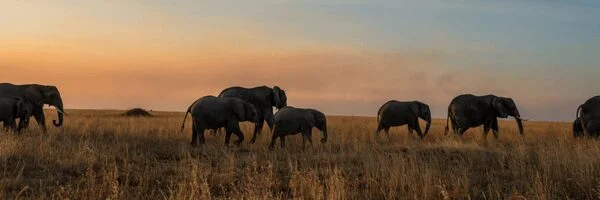
Your Complete Guide to the Wildebeest Migration 2026
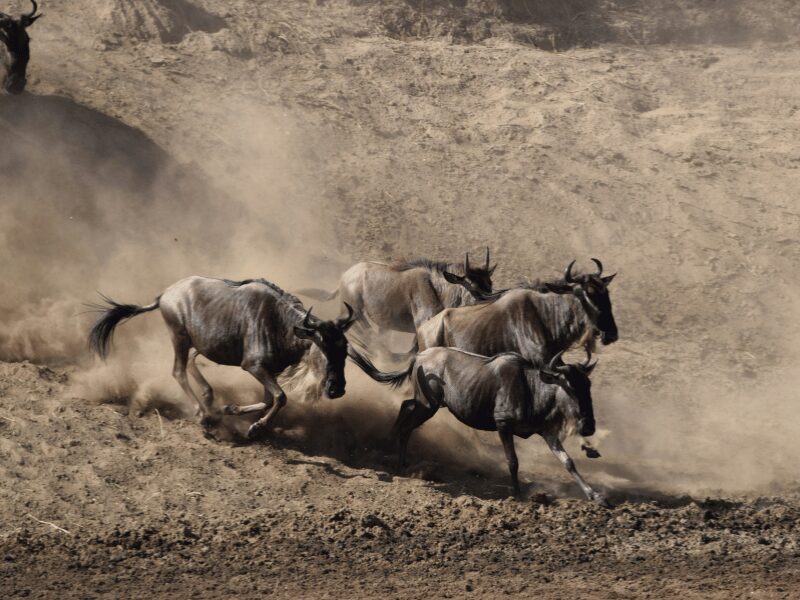
Witnessing the Great Wildebeest Migration 2026 is a bucket-list experience. Every year, over 1.5 million wildebeest, 400,000+ zebras, and thousands of gazelles traverse 3,000 kilometers across East Africa’s vast savannahs, pursued by predators like leopards, lions, and crocodiles.
As magical as the sight is, it will be super chaotic. The animals don’t move as one. There is no leader, nor is there a tiny head-to-toe line. It’s a scene spread all over the place. So if you want front-row seats to the drama, it’s important to know where to be and when to be there.
What is the Great Wildebeest Migration?
Why do Wildebeest Migrate?
The Great Migration is more than just one big wildlife parade. It’s a survival strategy that’s been happening for centuries… but the question is, why? One word: grass. Fresh, rain-fed, life-sustaining grass. These animals follow the rains in search of greener pastures, literally. It’s all about moving with the rhythm of the seasons. When the plains dry up and the food runs out, the herds know it’s time to go.
But it’s not just the wildebeest. Thousands of zebras and gazelles join in too, forming a massive convoy of animal migration in Africa, unlike anything else on the planet. And while the journey brings food, it also brings danger; crossing crocodile-infested rivers, dodging ambushes from lions, and braving exhaustion.
Can You Predict the Great Migration River Crossing?
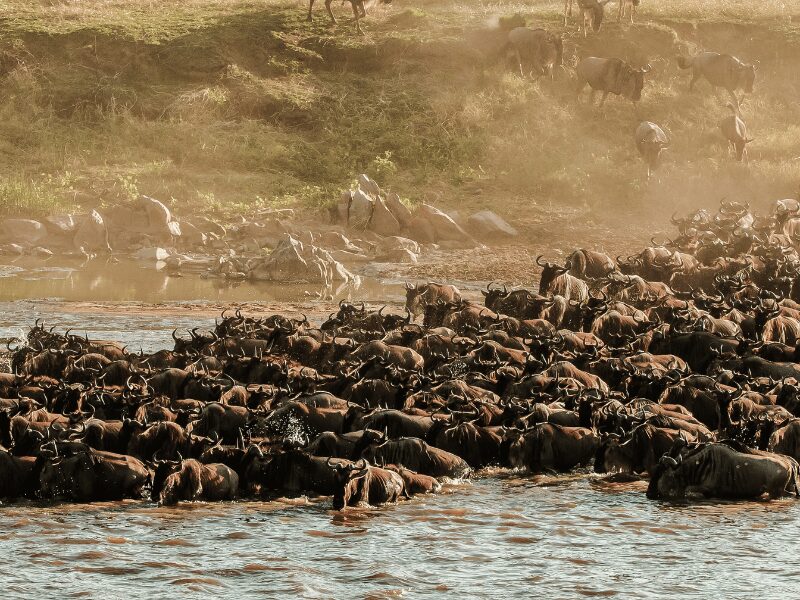
Not exactly. The migration crossing might just be the most sought-after moment of the entire wildebeest migration safari, but it’s also the most unpredictable. These river crossings (especially at the Mara and Grumeti Rivers) are pure chaos. One minute, the herds are grazing calmly nearby. The next, they’re stampeding into crocodile-infested waters in a heart-racing burst of instinct.
There’s no fixed schedule or a migration whistle to signal the plunge. The timing depends on rainfall, grass growth, herd behavior, and sometimes, nothing more than nervous energy in the air. Some herds will gather at the riverbanks for hours, or even days, before one bold wildebeest makes the first move, triggering a full-blown crossing frenzy.
Patience is your best strategy if you’re hoping to catch this live. Many travelers plan their wildebeest migration trip around the general crossing windows, usually between July and September in the northern Serengeti and Masai Mara. But even then, you’ll need a bit of luck and a great guide who knows how to read the signs.
Where does the Migration Happen?
The migration isn’t confined to one park, one country, or one direction. It’s a massive, year-round loop that moves in a clockwise pattern through Tanzania and Kenya. So if you’re staring at a Great Migration Africa map wondering where to go, you’re definitely not alone.
The journey kicks off in the Southern Serengeti around December to March, when calving season takes place. This is when the herds spread out across the Ndutu region, and thousands of baby wildebeest are born within weeks.
From April to June, the herds begin heading northwest, toward the Western Corridor and Grumeti River. Here, the first real migration challenges begin. By July, they’re in full motion, pushing north into the Masai Mara. This is prime time for the best great migration safaris, especially if you’re chasing river crossings.
Come October, the herds start trickling back south into the central Serengeti to slowly make their way back to their starting point. And just like that, the cycle begins again.
Wildebeest Migration Tracker | When to See it?
If you’re planning your wildebeest migration safari, timing matters as much as location. The migration is always happening somewhere, but your experience will vary wildly depending on where you catch it.
December to March | Calving Season
The year begins with new life. Around 500,000 wildebeest calves are born in just a few short weeks. An incredible sight if you’re hoping to witness nature’s more tender moments.
Predators aren’t far behind, and while this isn’t the time for migration crossing scenes, the predator-prey action makes it one of the most photogenic times to visit. Expect lush landscapes + warm weather + plenty of drama, even if it’s not of the river-plunging kind.
April to May | Westward Migration
The rains begin to shift, and so do the herds. It’s time for the long march northward, from the southern Serengeti toward the Western Corridor. This stretch of the journey is less about show-stopping moments and more about steady movement. But don’t mistake that for dull.
During this time, the landscape is still green and stunning, and the herds are on the move in massive, snaking lines across the plains (something many travelers find just as moving as the crossings).
While this phase doesn’t offer the high drama of a migration crossing, it’s an ideal time for those wanting to experience the rhythm of the Wildebeest Migration 2025 without the hustle. Think of it as the build-up before the storm.
June to Early July | Grumeti River Crossing
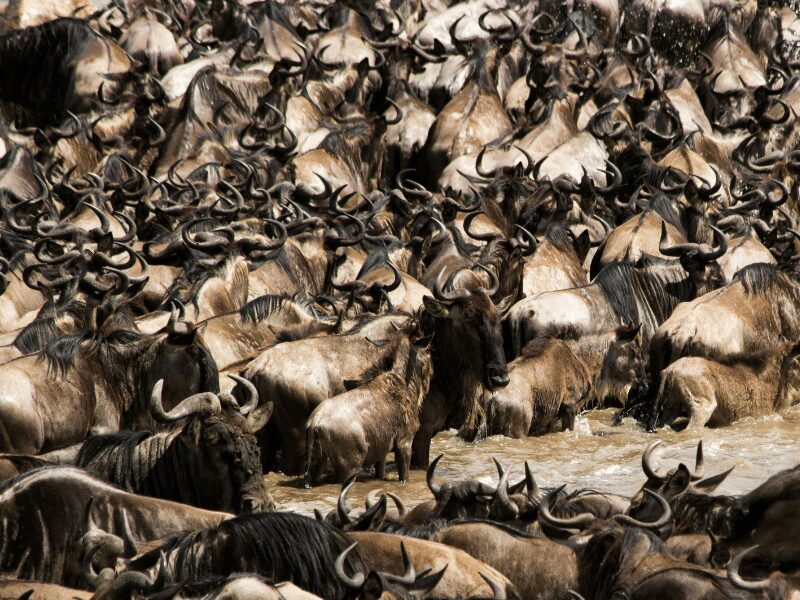
A period of full suspense when the migration gains momentum. The herds begin to cluster in the Western Corridor of the Serengeti, where the crocodile-infested Grumeti River poses one of the first big obstacles of the journey.
June to early July is a favorite among safari-goers. The crossings here can be sudden and short-lived, but they pack just as much intensity. Plus, the Western Serengeti tends to be quieter. Fewer crowds. More wilderness.
Beyond the crossings, you’ll see the landscape shift. The greenery fades into golden hues, and the wildlife activity is near constant. Predators are in full swing, waiting patiently as the herd’s bottleneck at narrow river points.
For tourists wanting a blend of thrilling moments and tranquil game drives, this stretch is a sweet spot. And it’s also your cue that the main event (the migration crossing at the Mara) is just around the corner.
Late July to Early October | Mara River Crossing
The moment most travelers wait for, and the time when the Great Migration reaches peak drama. Herds gather at the northern Serengeti and spill into Kenya’s Masai Mara. It’s an iconic collision of danger and adrenaline.
Unlike the earlier Grumeti crossings, the Mara is far more unpredictable. Yet, thousands plunge in. Hesitation isn’t an option when instinct takes over.
What makes this period so remarkable is the scale, more than the action. You’re witnessing a convergence of life and death. Instinct and fear. Dust clouds and chaos. All in one place. Some days, you’ll wait hours, watching wildebeest gather and pace nervously. Other times, you’ll arrive just in time to see the final hooves disappear on the opposite bank.
The Mara River crossing is the perfect window to experience the best Great Migration safaris. Make sure to book early, though, ideally, close to the river. Most importantly, prepare to wait; it’s part of the magic.
November to December | The Journey Restarts
As the short rains return to northern Tanzania, the herds begin their slow southbound journey. There’s no rush, no big crossings. Just the steady rhythm of movement as they graze their way back to the Serengeti’s southern plains.
This part of the migration often flies under the radar, but it’s full of beauty. The landscapes start to green up again, and the herds settle into a more relaxed pace. The crowds begin to thin, so it’s a great opportunity for those who prefer quieter safaris and open vistas dotted with wildlife.
By December, the herds are nearing the Ndutu region once more. The wildebeest migration 2025 has come full circle, and just like that, the stage is set for another round.
If you’re ready to turn this guide to the Wildebeest Migration 2026 into your reality, the team at Good Earth Tours is here to help you plan every detail. Check out our Great Migration Safari.