What Are the Vehicles Like on Safari?
When people picture an African safari, they often imagine the thrilling encounters with wildlife, vast open landscapes, and golden sunsets—but what about the ride that gets you there? Knowing what the vehicles are like on safari can shape your entire experience, especially when it comes to viewing animals in their natural habitats. Your safari vehicle is more than just transportation—it’s your front-row seat to the wilderness. Your safari destination significantly influences the type of vehicle used, affecting the wildlife encountered and the overall adventure. Guides play a crucial role in helping visitors explore and engage with the natural environment, ensuring safe and enriching encounters with various species and ecosystems.
Introduction to Safari Vehicles
Safari vehicles are a crucial aspect of any African safari, providing a safe and comfortable means of transportation for wildlife viewing and exploration. These vehicles come in various styles, including open safari vehicles, closed vehicles, and electric safari vehicles, each designed to cater to different safari experiences, destinations and enhance greater visibility.
African safari vehicles are designed to enhance your adventure, ensuring you have the best possible experience while exploring the wild. Whether you’re in an open safari vehicle in southern Africa or a closed vehicle in east Africa, you can expect a comfortable and exciting journey through some of the most stunning landscapes on the planet.
Open-Sided 4×4 Safari Vehicles
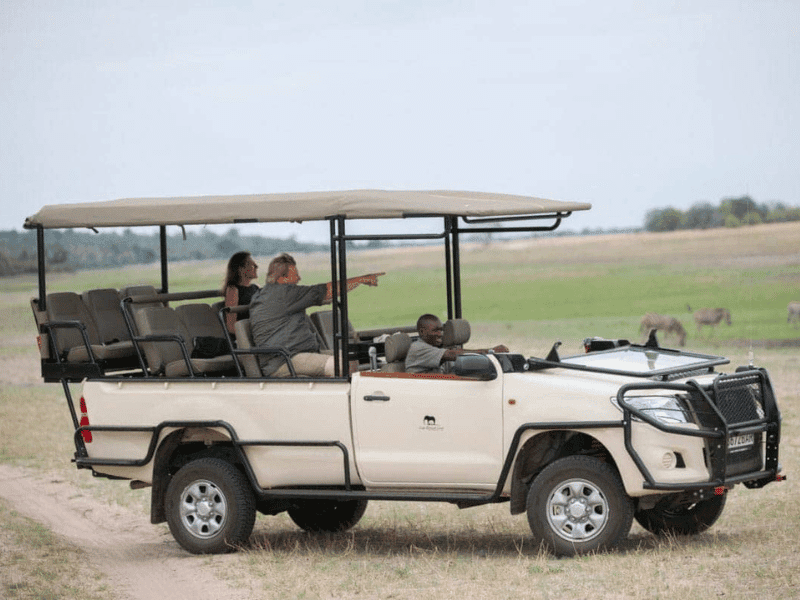
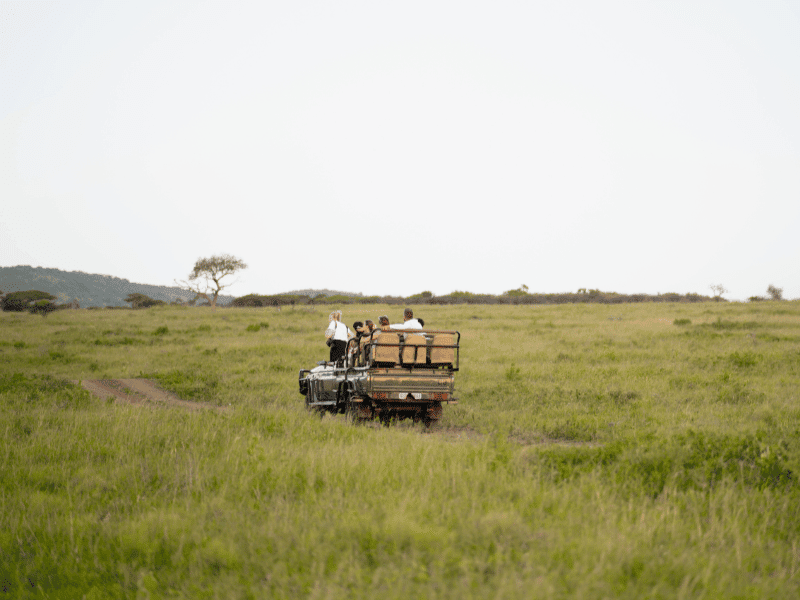
These vehicles are iconic in East and Southern Africa, and most vehicles used are open-sided 4x4s like Land Cruisers or Land Rovers. These open-sided vehicles enhance the connection to nature, offering unobstructed views and a deeper immersive experience in the natural environment. With no glass windows and tiered seating, they offer fantastic photo opportunities, ideal for capturing stunning images of wildlife.
Where they’re used: Open-sided 4x4s are common in Tanzania, Kenya, South Africa, Botswana, and Zimbabwe, especially in private reserves like the Masai Mara conservancies or Sabi Sands. These areas allow more intimate wildlife encounters thanks to fewer restrictions.
Pop-Top Land Cruisers
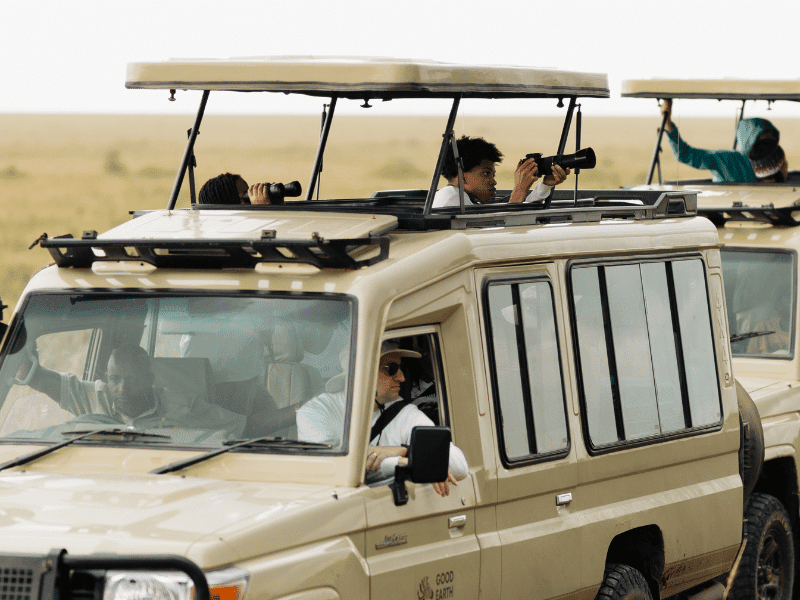
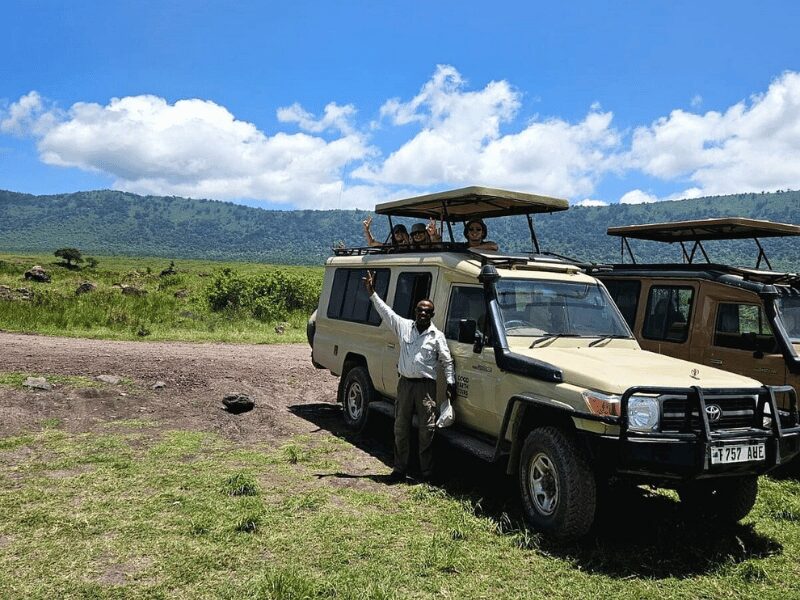
Perhaps the most recognized safari vehicle in Africa, pop-top Land Cruisers are rugged, fully enclosed 4x4s with a pop top roof hatch that lifts up during game drives. This allows travelers to stand and photograph wildlife while being protected from dust, rain, or intense sun. These vehicles are also suitable for traveling long distances between parks, ensuring comfort and protection during lengthy journeys.
Where they’re used: You’ll find pop-top Land Cruisers widely used in Tanzania, Uganda, and Kenya—perfect for national parks like the Serengeti, Ngorongoro Crater, or Queen Elizabeth National Park.
Closed 4×4 Vehicles with Sliding Windows
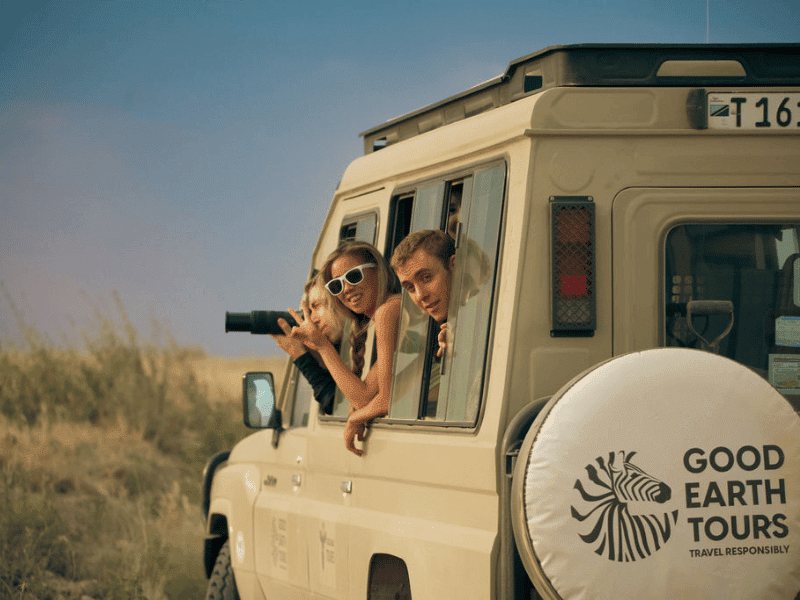
These vehicles are common in certain areas where pop-tops aren’t practical, especially where self-drive safaris are popular. Therefore, closed vehicles are preferred for their safety and practicality, offering a secure environment and facilitating game viewing during long-distance transfers. They offer more security and are suited for long-distance drives across rugged terrain.
Where they’re used: Found in Namibia, Zambia, and South Africa, especially in national parks with good road networks like Etosha or Kruger.
Land Rover Safari Vehicles
Classic Land Rovers are synonymous with adventure. They’re custom-modified for safari use, with reinforced suspension, roof racks, and safari seats, including a specialized bucket seat for the tracker.
Some game drive vehicles feature a bucket seat mounted at the front, allowing the tracker to have a better vantage point to observe the road for wildlife tracks and communicate important information to the driver, enhancing the overall safari experience and greater visibility.
Where they’re used: Land Rover safari vehicles are commonly seen in Botswana, Zambia, and parts of Tanzania, particularly for mobile camping safaris or walking safari support vehicles.
Safari Minibuses (Vans)
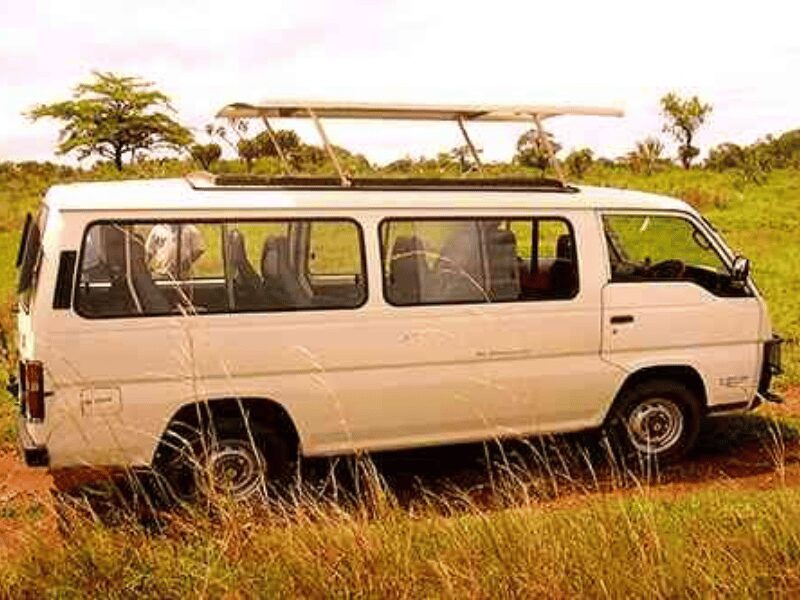
These closed vehicles have pop-up roofs and can carry up to 9 people. They typically feature three rows of seating, which enhances the viewing experience during safaris. They’re ideal for budget travelers or small group safaris.
Where they’re used: Safari vans are widely used in Kenya and Uganda, especially for tours that stick to well-developed roads like in Lake Nakuru or Murchison Falls.
Safari Vehicles by Destination
Your safari destination determines not just what wildlife you’ll encounter, but also the type of vehicle best suited for the terrain, park rules, and travel style. Here’s what to expect in some of Africa’s top safari destinations:
Tanzania
Expect pop-top Land Cruisers for most national parks like the Serengeti and Ngorongoro Crater. These vehicles are enclosed for long-distance travel but feature pop-up roofs for wildlife viewing. In private conservancies, open-sided vehicles may be used.
Kenya
A mix of safari minibuses with pop-up roofs (ideal for budget group safaris) and pop-top Land Cruisers are common. In luxury lodges and conservancies like the Masai Mara, expect open-sided 4x4s for more immersive game drives.
Uganda
Pop-top Land Cruisers and minibuses dominate here, especially in parks like Murchison Falls and Queen Elizabeth. Roads can be long and rough, so comfort and reliability are key.
Botswana
Open-sided Land Cruisers and classic Land Rovers are standard. These are well-suited for private concessions and off-road safaris, like those in the Okavango Delta or Chobe. For mobile safaris or bush camps, vehicles may also be equipped with roof racks and specialized tracker seats. For the best information on Botswana Tours, check out our Favorite Things To Do in Botswana.
South Africa
After exploring Cape Town, head to Kruger National Park where closed 4x4s or sedans are common for self-drives. In private reserves like Sabi Sands, expect open-sided game viewers for immersive, guided wildlife experiences.
Namibia
Closed 4x4s with sliding windows are ideal for self-drive safaris in remote areas like Etosha. Built for long-distance comfort and safety, they offer great visibility for spotting the Big Five while protecting you from the elements.
Vehicle Safety and Maintenance
The safety and maintenance of safari vehicles are of utmost importance, ensuring a secure and enjoyable game viewing experience for passengers. Regular maintenance checks are performed on safari vehicles to guarantee their reliability and performance, particularly in rugged terrain and off-road conditions.
Closed vehicles, such as Land Rovers and safari trucks, are designed with safety features like air conditioning, bucket seats, and pop-up roofs, providing a comfortable and secure environment for game drives. These features not only enhance comfort but also ensure that passengers are well-protected during their safari adventure.
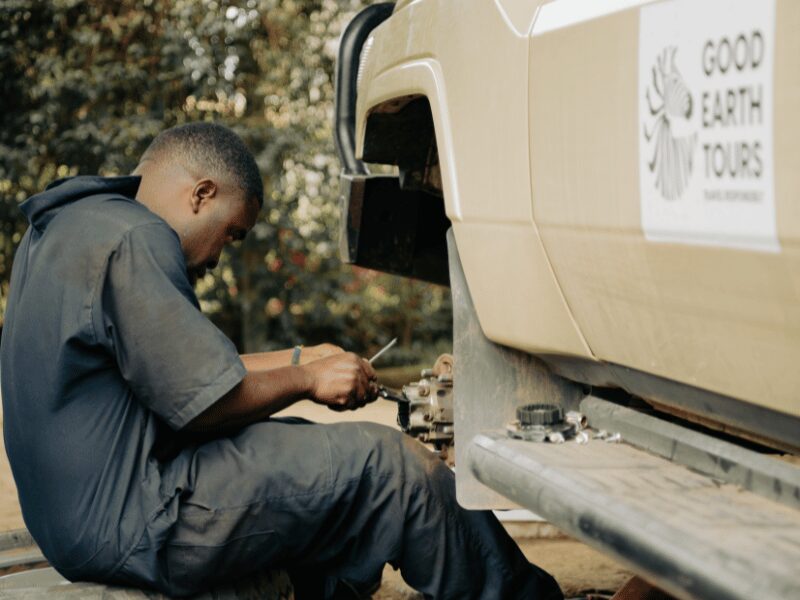
Open sided vehicles, commonly used in private game reserves, require careful maintenance to ensure the safety of passengers and the vehicle’s overall performance. Safari operators prioritize vehicle safety and maintenance, adhering to strict standards and regulations to minimize the risk of accidents and ensure a thrilling, yet safe, safari experience.
By choosing a reputable safari operator, you can rest assured that your safari vehicle is well-maintained and equipped with the necessary safety features, allowing you to focus on enjoying the incredible wildlife and landscapes around you.
Curious about safari safety? National Geographic blog article on what you need to know about safari will be the best guide for you.
Summary of Safari Vehicle Types
- Open-sided 4x4s: Best for private conservancies in Kenya, Botswana, South Africa.
- Pop-top Land Cruisers: Popular in Tanzania, Kenya, and Uganda for national parks.
- Closed 4x4s with sliding windows: Common in Namibia, Zambia, South Africa for self-drives.
- Land Rovers: Used for rugged expeditions in Botswana, Zambia, and Tanzania.
- Safari Minibuses: A budget-friendly option in Kenya and Uganda.
Each vehicle has been tailored for specific terrains, budgets, and styles of exploration in various countries. Knowing what vehicles are like on safari helps you choose the best experience for your adventure. The design and functionality of safari vehicles are crucial depending on the locations and game lodges you are visiting, enhancing the wildlife viewing experience.
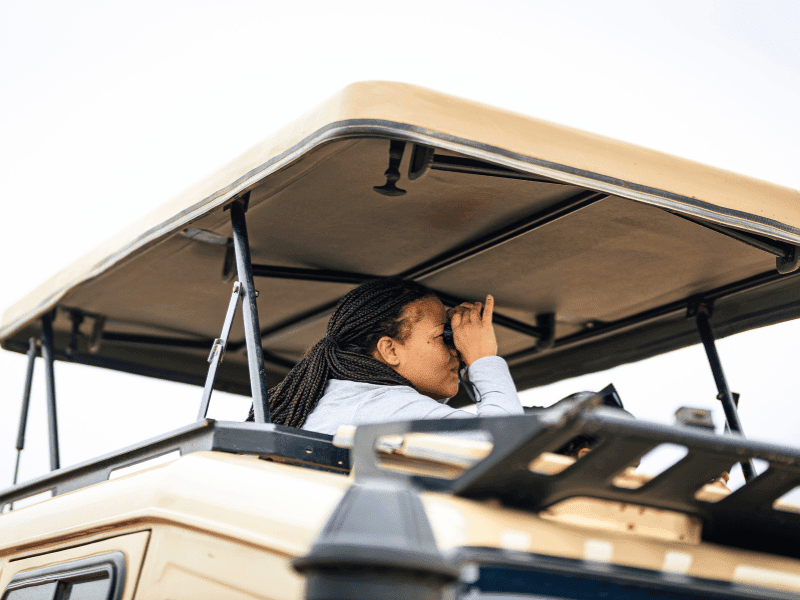
See Our Safari Vehicles and Guides in Action 🎥
Curious what it’s really like to travel with Good Earth Tours? Watch the video below to see the full Good Earth Tours fleet in action and the expert guides who make every journey unforgettable.
Book Your Seat—And Your Window Into the Wild
From the roar of the engine at dawn to the quiet hum at sunset, your safari vehicle is your ticket to Africa’s most unforgettable moments. Ensuring you have a window seat enhances the viewing experience, allowing for optimal views and photography opportunities. Certain vehicles are designated exclusively for particular purposes, such as being used off-road in private wilderness areas, to provide unique and safe experiences.
Whether you’re tracking the Big Five or quietly watching a herd of elephants cross the river, every bump in the road brings you closer to the wild.
Book your trip with Good Earth Tours and ride with expert guides in top-of-the-line safari vehicles, designed for adventure and comfort.