How to Prepare for a Safari Health-Wise: What to Ask Your Doctor Before You Go
Destinations, decided. Lodges, booked. Itinerary, planned.
Everything is done, right? Well, think again.
There’s one safari prep step people often rush through: the health side, an absolutely non-negotiable part of the trip, not because safari is dangerous (most trips are surprisingly comfortable!), but because safari days can be long, remote, hot, bumpy, early, and very different from your normal routine. A tiny inconvenience at home can feel much bigger when you’re three hours from the nearest pharmacy and halfway through the Serengeti.
So, what to do? From vaccines and medications to motion sickness, jet lag, allergies, and what to pack “just in case,” here’s how to prepare for a safari health-wise without turning your vacation prep into a medical exam season 😉
Question #01: What Health Risks Actually Apply to My Itinerary?
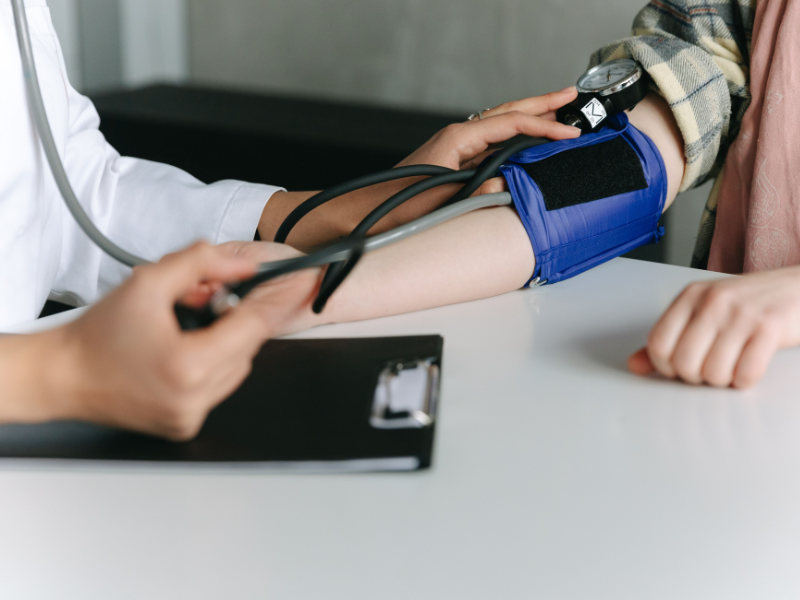
Not every safari destination has the same health requirements. Two travelers visiting Africa at the same time may leave with completely different recommendations depending on:
- Countries visited
- Time of year
- Urban vs remote travel
- Altitude
- Length of stay
- Activities planned
A luxury safari in Kenya is not the same as a Kilimanjaro climb followed by a Tanzania safari circuit. Likewise, a quick Botswana fly-in safari differs from a multi-country overland trip, so you’d want to bring your full itinerary to the clinic appointment.
Important- Don’t leave medical prep until the final week before departure. Some vaccines need time to become effective, and others may require multiple doses. Certain destinations may also require official documentation before entry. Aim to book your travel clinic appointment around 4–8 weeks before departure, especially if you:
- are visiting multiple African countries
- plan to climb Kilimanjaro
- have existing medical conditions
- take prescription medications regularly
- will travel during peak safari season
Question #02: What Vaccinations for Africa Safari Travel Should I Ask About?
“What vaccines do I need for African safari travel?”
The answer depends entirely on your destination, but your clinic will separate recommendations into two categories:
- Required vaccines
- Recommended vaccines
Don’t worry, you won’t need a list of injections 😆
Yellow Fever Certificates (Important for Some Countries)
One of the most essential travel-clinic conversations to have before departure.
Certain countries require proof of yellow fever vaccination, especially if you’re arriving from or transiting through countries where yellow fever risk exists. Your clinic can explain:
- If the vaccine applies to your itinerary
- Which countries require certificates
- How long before travel must it be administered
- Whether age or medical exemptions apply
If required, you’ll receive an International Certificate of Vaccination, commonly called the “yellow card.” You must keep it in your carry-on (not buried inside checked luggage), because it’s going to be very important at immigration desks.
Recommended African Safari Vaccinations
Your clinic may also discuss:
- Hepatitis A
- Hepatitis B
- Tetanus boosters
- Typhoid
- MMR (measles, mumps, rubella)
- Routine vaccine updates
Again, recommendations vary by traveler and itinerary. Some trips may require very little beyond routine updates; a little planning before safari goes a long way.
Question #03: Do I Need Malaria Prevention Medication?
Another major part of how to prepare for an African safari is discussing malaria prevention. Though the topic might make most travelers nervous, there’s not much to worry about, as malaria prevention simply involves medication rather than vaccines.
Your travel clinic will explain it all, including malaria risk in your exact safari regions, seasonal differences, and whether malaria prophylaxis is recommended. There are several prophylaxis options available, and a travel medicine professional can help determine which best suits your medical history + travel plans. Different medications come with different schedules, side effects, and considerations, so personalized guidance is a must here.
Also, remember: prevention is not only about medication. Simple safari habits matter, too, all of which your guide will outline in detail…
- Wear long sleeves during evenings
- Use insect repellent
- Sleep under mosquito nets if provided
- Avoid leaving doors open at night
- Wear lighter-coloured clothing after sunset
Question #04: What Should Kilimanjaro Travelers Know About Altitude Sickness?
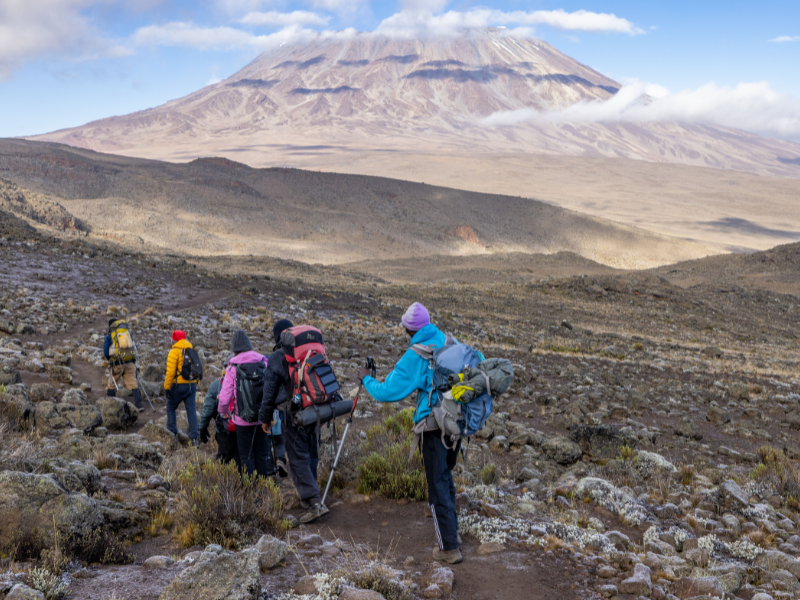
If your safari includes a Kilimanjaro climb or high-rise trekking, altitude deserves its own conversation. Many travelers preparing for Kilimanjaro focus heavily on fitness but forget that altitude affects people very differently. Being athletic does not automatically prevent altitude sickness. Your clinic will highlight:
- Symptoms to watch for
- Acclimatization strategies
- Hydration
- Pacing
- Medication considerations
- Pre-existing conditions that may affect high-altitude travel
Pay attention early. You don’t want to waste precious days recovering from (preventable) altitude issues, do you?
Question #05: How Can I Avoid Stomach Issues During Safari?
Nobody plans a safari around bathroom logistics, yet stomach problems remain one of the most common travel interruptions worldwide. That doesn’t mean safari food is unsafe, though. In fact, many safari lodges provide excellent hygiene standards and carefully prepared meals. The bigger issue often comes from problems like:
- Dehydration
- Sudden diet changes
- Travel fatigue
- Heat
- Sensitive stomachs reacting to unfamiliar routines
So, to prevent your stomach from creating its own wildlife drama, make sure to ask these helpful questions at your clinic visit:
→ Should I pack anti-diarrheal medication?
→ Are electrolyte packets worth bringing?
→ What should I do if symptoms start during remote travel?
→ Are there medications I should avoid combining?
Question #06: What About My Current Medications?
Safari trips will involve long travel days and remote locations, where pharmacies will not be available, so medication planning should be done very carefully.
Discuss:
- Prescription refills
- Storage requirements
- Time-zone adjustments
- Backup prescriptions
- Medication documentation for customs
Tip- Always pack medications in your carry-on luggage. Delayed luggage is inconvenient, but delayed luggage without important medication becomes a much bigger problem.
Question #07: What Should Be Included in a Safari Health Kit?
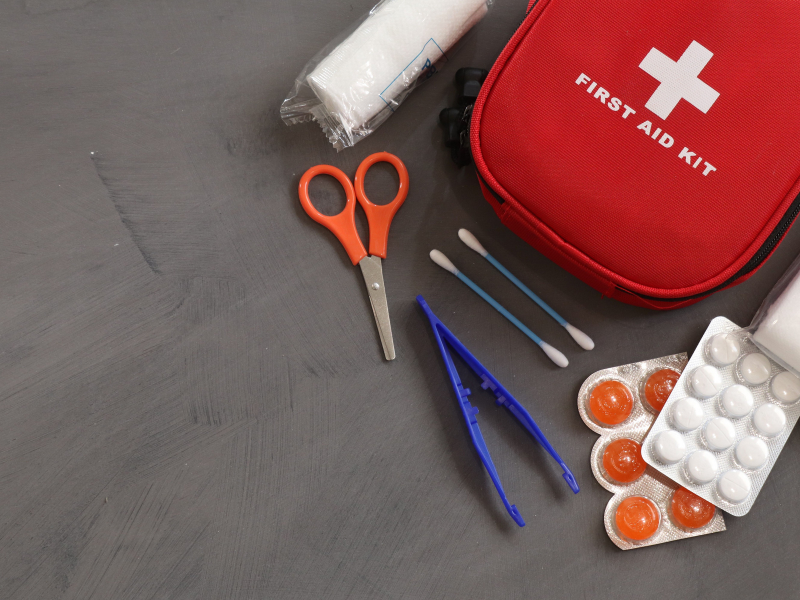
A good safari medical kit does not need to look like a mobile emergency room. However, having basic supplies on hand at all times is imperative.
Though your clinic will tell you exactly what makes sense for your destination and medical history, here’s a quick overview of what a basic safari health kit typically includes:
✔️ Prescription medications
✔️ Pain relievers
✔️ Antihistamines
✔️ Motion sickness medication
✔️ Electrolyte packets
✔️ Anti-diarrheal medication
✔️ Blister patches
✔️ Sunscreen
✔️ Insect bite cream
✔️ Hand sanitizer
Question #08: What Food and Water Precautions Do I Need?
No doubt about the excellent hygiene standards of reputable safari lodges. Still, your travel clinic may recommend precautions regarding drinking water, street food in cities, ice, food sensitivities, and traveler’s diarrhea management.
Well, instead of panicking about every meal, you just have to focus on practical habits:
- Stay hydrated (use only sealed bottled water or treated water provided by your lodge)
- Wash hands frequently
- Avoid ignoring stomach symptoms early
- Carry rehydration support
Question #09: Does Travel Insurance Really Matter for an African Safari?
A lot of travelers spend more time comparing camera lenses than reviewing travel insurance coverage.
Bad idea!
If you’re serious about how to prepare for an African safari, insurance deserves a real conversation.
Especially ask about…
- Emergency medical coverage
- Medical evacuation
- Hospital coverage
- Trip interruption protection
- Adventure activity coverage
…and that becomes even more essential if you’re including experiences like walking safaris, gorilla trekking, Kilimanjaro climbs, multi-country trips, and remote camps requiring small-aircraft transfers. Hopefully, you’ll never need to use the policy, but, of course, you still definitely want reliable coverage anyway.
Final Words
We’re no healthcare experts, and you must consult a travel medicine professional for personalized medical advice and travel health recommendations, but the good news is that our team at Good Earth Tours has incredible people who will help you build your itinerary, which is, indeed, an absolutely important consideration when discussing how to prepare for a safari health-wise 💛