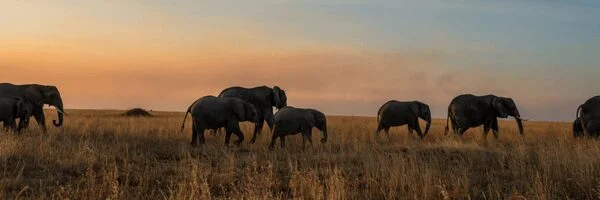
How to Plan an African Safari: A Calm, Step-by-Step Guide
Planning a safari can feel overwhelming; we understand. Questions start popping up quickly. Which country should you visit? How many days do you need? When should you book? And how do you design the right itinerary?
The good news is that how to plan an African safari becomes much easier when you follow a clear process. And that’s what we are here for today. By the end of this post, you’ll know exactly how to plan an African safari trip without the stress.
Step 1: Decide What Kind of Safari Experience You Want
The first step in how to plan an African safari is deciding what kind of experience you actually want. Africa offers many styles of safaris, and the type you choose will shape every other part of your trip.
Some travellers want classic wildlife viewing in famous parks. Like daily game drives in places like the Serengeti or Maasai Mara. Others prefer quieter parks with fewer vehicles and a slower pace.
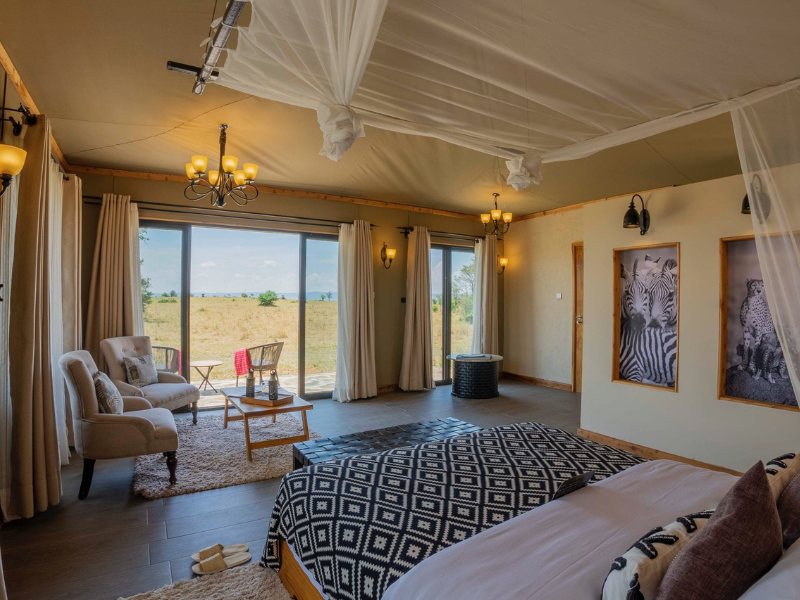
Your African safari itinerary planning should also consider how you like to travel. Do you want a luxury lodge with private guides? A mid-range safari with camps? Or something more adventurous like a mobile tented safari?
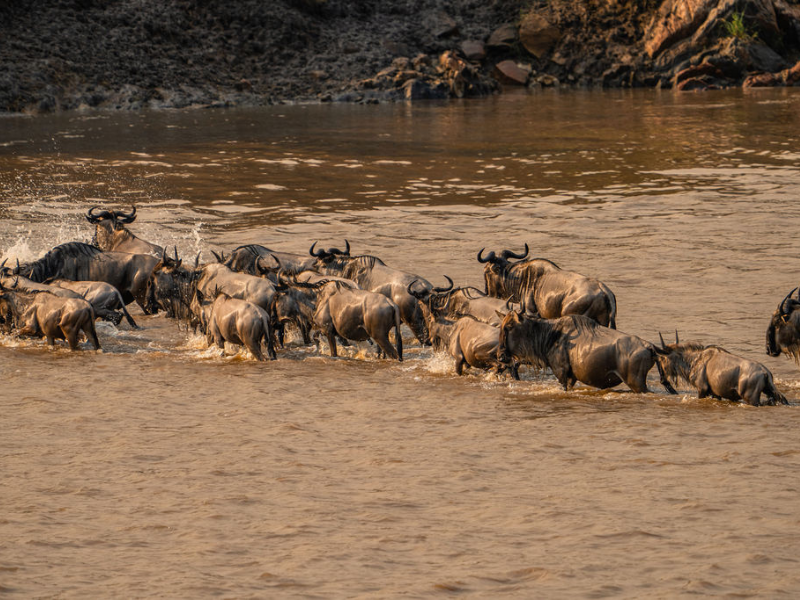
It also helps to think about your main goal for the trip. Some travelers want to see the Big Five. Others focus on photography, birdlife, or witnessing events like the Great Migration.
Step 2: Choose the Right Country or Region
Africa is huge, and each region offers a slightly different style of safari.
For classic wildlife viewing, East Africa is often the first choice. Tanzania and Kenya are famous for wide savannas and iconic parks like the Serengeti. These destinations are perfect for travelers interested in events like the Great Migration.
Southern Africa offers a different rhythm. South Africa, Botswana, Namibia, and Zambia often focus on smaller camps and strong conservation models. These safaris can feel more exclusive and relaxed.
Step 3: Decide How Many Days You Actually Need
One of the most common questions when learning how to plan an African safari is simple: how many days are enough?
Many first-time travelers will underestimate the time needed. A safari is not a one-day activity. Parks are often far apart, and travel between camps can take time. Also, wildlife experiences are best enjoyed at a relaxed pace.
For most trips, 7 to 10 days works very well. This allows you to visit two or three safari areas without rushing. You’ll have enough time for multiple game drives. Plus, you’ll have a better chance of seeing more animals.
Shorter safaris are possible. A 4 to 5 day safari can still be rewarding, especially if you stay in one park. Longer trips, around 10 to 14 days, allow you to plan a more detailed itinerary.
Step 4: Understand When to Book
Timing is a key part of how to plan an African safari. Many of the best lodges are small, and the most popular travel seasons fill up fast.
For most destinations, it’s best to start planning African safari trips around 12 months in advance (you’ll be surprised to know some people can book as long as 2 years in advance!). This is especially important for peak seasons like the Great Migration months in Tanzania, or the dry season when wildlife viewing is at its best.
Booking early gives you more choices. You’ll have better access to top lodges and the guides travelers prefer. Check out our blog on How Far In Advance Should You Book an African Safari to know more.
Last-minute trips can sometimes work. But they will most likely limit your options depending on the time of year.
Step 6: Decide Whether to Use a Safari Planner
Another important decision in how to plan an African safari is choosing how you want to organize the trip. Some travelers prefer to research everything themselves. Others work with a safari planner who handles the details.
Planning independently can work for simple trips. But safaris often involve multiple parks, bush flights, transfers, etc. This is where African safari itinerary planning becomes more complex than a typical vacation.
A good safari planner helps connect all the pieces. They recommend the right parks for your goals and design a balanced route. They also make sure travel times between camps actually work.
Using an expert makes the process much smoother. If you’re looking for an experienced team, Good Earth Tours can help! Let’s get in touch
Step 7: Design the Right Itinerary Structure
The final step in how to plan an African safari is building the right itinerary structure. A well-designed safari should feel smooth and unhurried.
A common mistake in African safari itinerary planning is trying to visit too many parks in a short time. Every transfer takes part of the day, so moving too often can reduce the time you actually spend on game drives.
Most well-balanced safaris include 2 to 3 destinations with 2–3 nights in each location. This allows enough time to explore the area and enjoy the lodge without feeling rushed.
It also helps to vary landscapes during your trip. For example, you might combine a savanna park with a river ecosystem or a private conservancy. This approach keeps the experience fresh.
That said, when planning African safari itineraries, simplicity usually creates the best results.
African Safari Planning Checklist
It helps to keep a simple checklist for your safari.
Here’s a practical African safari planning checklist you can follow:
- Decide what kind of safari experience you want
- Choose the right region
- Determine how many days your trip should last
- Research the best time of year for wildlife viewing
- Set a realistic budget range for the safari
- Decide if you want to use a safari planner
- Start building your African safari itinerary planning structure
- Check passport validity and visa requirements
- Review travel insurance options
- Plan flights to your safari gateway city
- Prepare a packing list for safari conditions
How Long Does It Take to Plan an African Safari?
In most cases, a comfortable safari planning timeline ranges from 3 to 18 months, depending on the season. More prep time allows enough time to research and design your itinerary.
Some safari camps are small. Many have only 8 to 12 rooms. During peak seasons, the best properties often fill up nearly a year in advance. That’s why early African safari planning makes a big difference.
Shorter timelines can still work. Some safaris are planned in 3 to 4 months, especially during shoulder seasons. But the earlier you start planning African safari trips, the easier it is to secure the dates and experiences you’re after.
Planning Your First Safari? Start Here
If you’re planning a safari for the first time, the process can feel a little overwhelming at the beginning. There are many countries, parks, and lodges to choose from, and it’s not always obvious where to start.
A good approach is to focus on the basics first. Decide what kind of wildlife experience you want, choose one or two destinations, and plan a simple itinerary with enough time in each location.
For many first-time travelers, classic safari regions in East Africa are an excellent starting point. Areas like Tanzania and Kenya offer strong wildlife viewing.
First time planning a safari? Read our blog on First Time Safari Tips to know more.
The Easiest Way to Plan Your Safari Without Stress
You now understand how to plan your safari… Choose the right destination; decide how many days you need; set a realistic budget; and design a balanced itinerary.
But even with a guide, African safari planning can still feel complicated.
The easiest way to simplify the process is to work with experienced safari planners who understand the logistics. Instead of researching hundreds of options, you get a curated itinerary that matches your preference(s).
If you’re in, let’s get to making your itinerary!