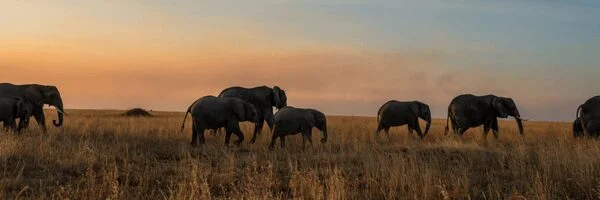
Lake Manyara National Park Safari Guide
A Lake Manyara National Park safari often surprises travelers, and that’s exactly its charm. Tucked between the dramatic Great Rift Valley escarpment and a shimmering alkaline lake, Lake Manyara National Park is different from Tanzania’s larger safari giants. It is often the first wildlife stop before heading to the Serengeti or Ngorongoro.
Many travelers arrive expecting a quick pass-through but leave wishing they had slowed down, so to make sure you’re not one of those, we’ve put together this comprehensive guide to help you plan it right 😉
Where is Lake Manyara National Park in Tanzania?
Lake Manyara National Park sits in northern Tanzania, along the base of the Great Rift Valley escarpment. The park lies about 2 hours west of Arusha, the main starting point for most northern Tanzania safaris. Its position makes it one of the most accessible parks in the country, which is why many itineraries begin here before moving on to larger wildlife areas.
Lake Manyara Location and How it Fits into the Northern Circuit
The Lake Manyara location places it perfectly within Tanzania’s famous northern safari circuit, a route that connects Arusha, Tarangire, Ngorongoro Conservation Area, and the Serengeti. Because the park sits directly along this pathway, it works naturally as either a first safari stop or a gentle transition between destinations.
Most itineraries follow a logical flow:
Arusha → Lake Manyara → Ngorongoro → Serengeti
or
Tarangire → Lake Manyara → Ngorongoro
Thanks to its compact layout, Lake Manyara, Tanzania, allows you to experience wildlife quickly without long drives, so it’s ideal after a tiring international flight (and don’t worry, even though it’s small in size, the destination packs remarkable ecological diversity into a narrow strip of land).
What Makes Lake Manyara National Park Special
Wide open savannahs have their own charm, but a Lake Manyara National Park safari welcomes you with more… thick green forestry, filtered sunlight, the soothing sounds of birds, and, best of all, ever-changing scenery where each turn reveals something different.
Landscapes, Groundwater Forest, and the Soda Lake
One of the most memorable parts of Lake Manyara Park is its unique mix of ecosystems. The groundwater forest near the entrance feels almost tropical, fed by underground springs flowing from the Rift Valley escarpment. Towering mahogany and fig trees cast shade where baboons and elephants gather.
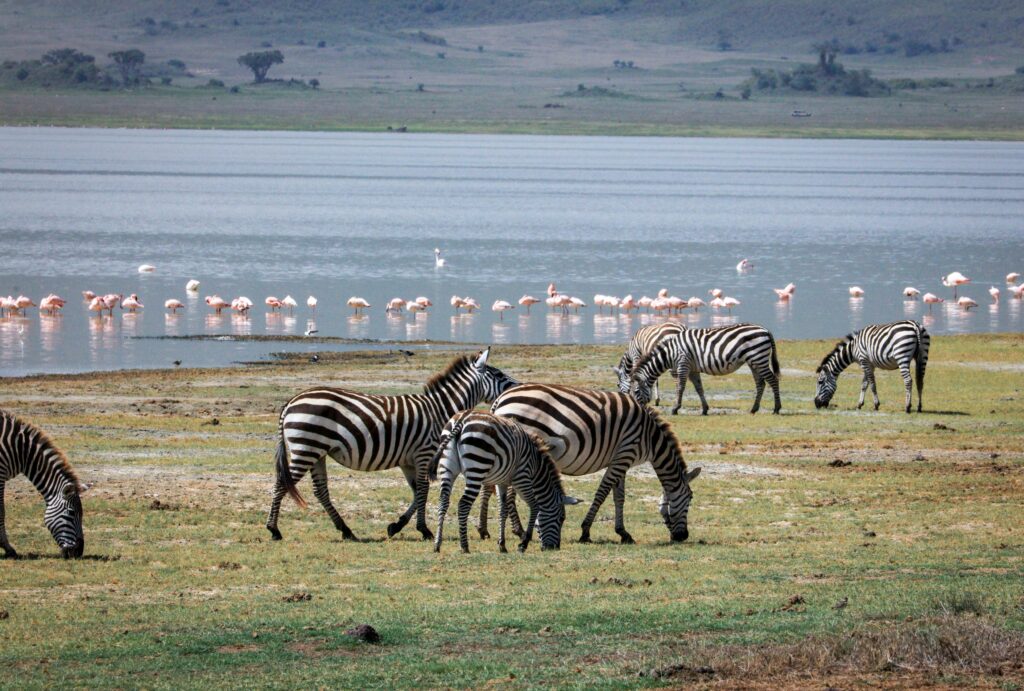
As you continue deeper, the landscape opens into grassy floodplains before revealing the soda lake itself, a shallow alkaline lake that expands and shrinks with seasonal rains. During certain times of year, the shoreline even turns pink with flamingos 🦩
Why Lake Manyara Works Well as a Short Safari Stop
Not every safari day needs to be long or demanding, and that’s where the Lake Manyara safari shines. The park’s size allows travelers to experience wildlife, landscapes, and birdlife in just one well-planned game drive!
Because animals often stay close to the forest and water sources, sightings can happen quickly. Elephants, giraffes, hippos, and large troops of baboons are the most common wildlife encounters here.
Lake Manyara Safari Experience
Game Drives in Lake Manyara National Park
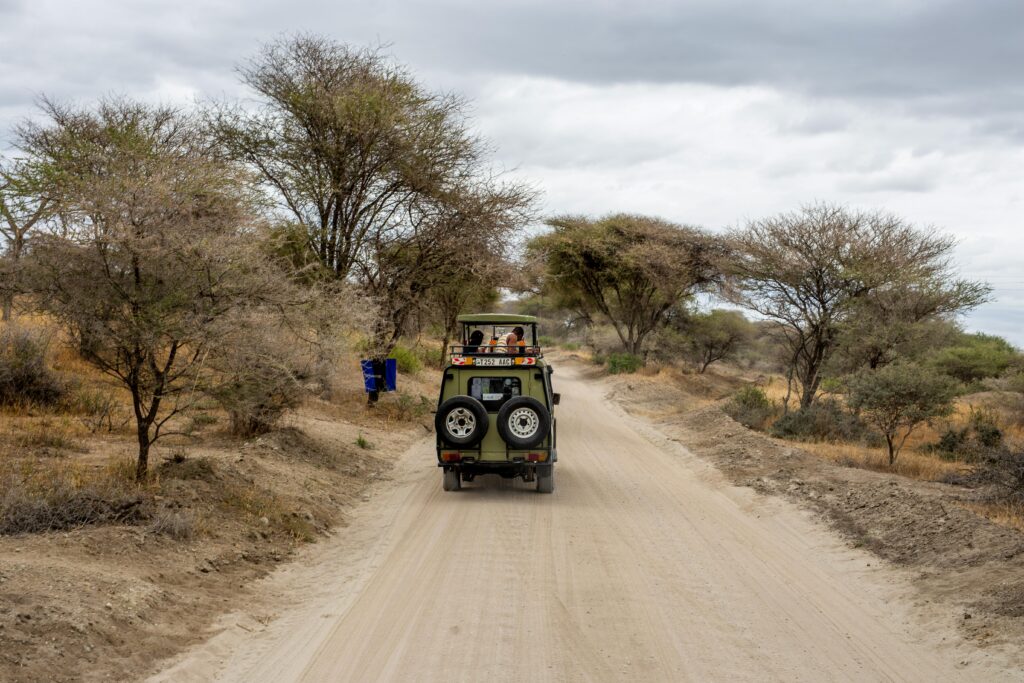
Game drives in Lake Manyara are known for being scenic as much as they are wildlife-focused. The routes wind through groundwater forest, along lakeshore tracks, and across grassy clearings. Magical, right?
Wildlife encounters often happen at close range. Elephants are a highlight here, frequently seen feeding among trees or crossing the road slowly in front of vehicles. You may also encounter giraffes, buffalo, zebras, and large baboon troops.
Plus, distances are comparatively shorter, which means guides can slow down and give you the chance to interpret smaller moments that might be missed elsewhere.
Current Wildlife Conditions: What to Expect
Lake Manyara has experienced significantly higher water levels in recent seasons. As the lake expanded, much of the wildlife habitat on the park floor was affected, and many species including lions, have largely shifted to neighboring parks and conservancies. Visitors should not plan a trip to Manyara around any single headline species.
What the park continues to deliver reliably: forest-edge elephant encounters at close range, large baboon troops, giraffes, buffalo, and some of the finest birdwatching on the northern circuit. These are genuinely excellent reasons to stop here — they just work best as part of a broader circuit rather than a standalone destination.
Birdlife (and what sets the park apart)
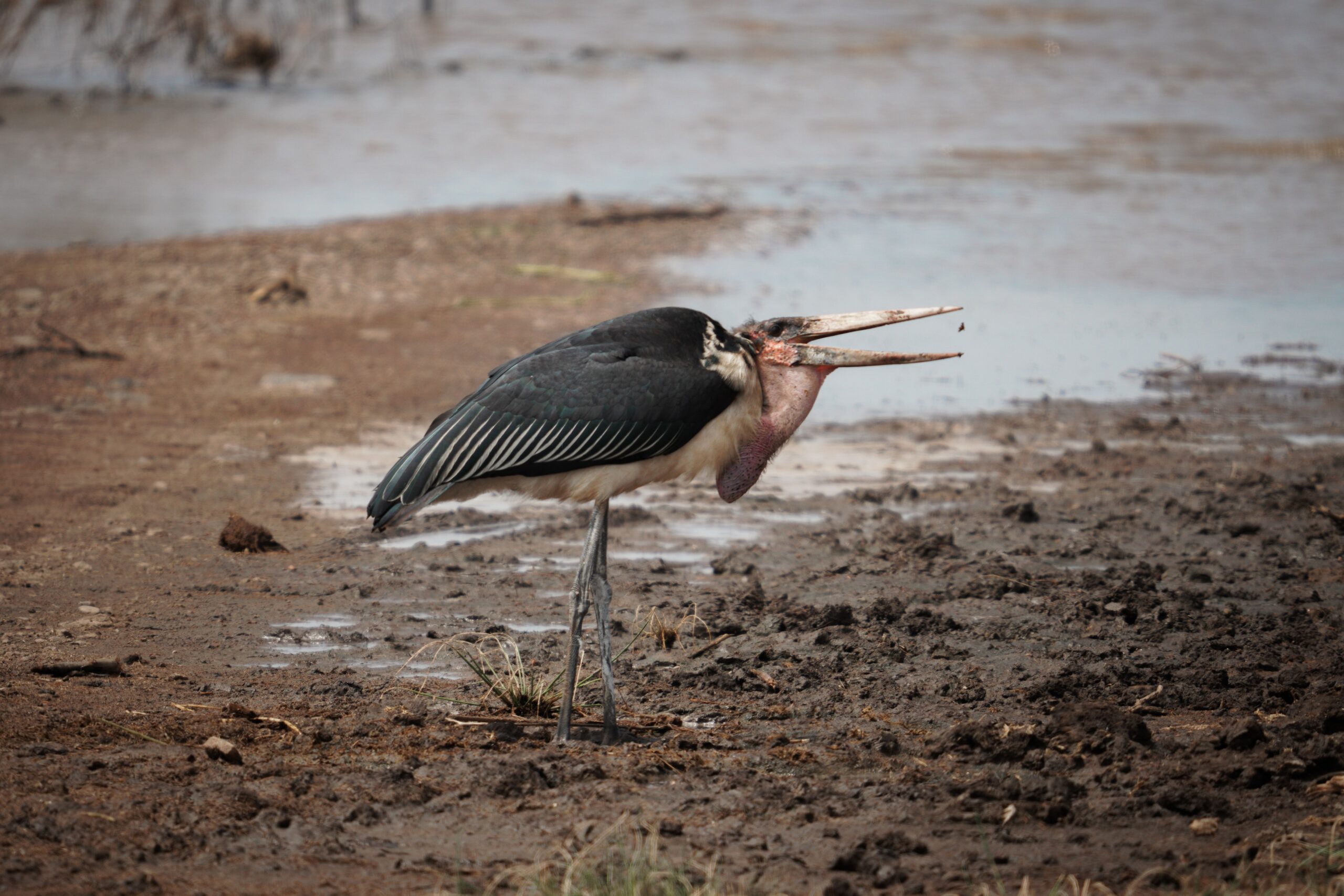
The combination of forests, wetlands, and an alkaline lake in Lake Manyara, Tanzania, attracts hundreds of bird species year-round. Flamingos often gather along the shoreline when water levels allow, but pelicans, hornbills, kingfishers, and storks are always there for constant movement and color. An absolute dream for bird-lovers 🐦
Even travellers new to birdwatching notice how active the park feels, with calls echoing through the forest and raptors circling above open areas.
Best Time to Visit Lake Manyara National Park
The answer comes down to the type of experience you want. Is easier wildlife viewing a priority, or are you looking for lush scenery and exceptional birdlife? Understand your expectations, so we can plan the perfect Lake Manyara National Park safari for you.
Dry Season vs. Green Season
The dry season, typically from June to October, is often considered the easiest time for wildlife viewing. Why? Because vegetation thickens out significantly, and animals gather near the remaining water sources. Roads are also generally easier to navigate, which means game drives are also more predictable (perfect for first-time safari travelers).
The green season, stretching from November to May, transforms Lake Manyara into a vibrant landscape, featuring fresh grass and dramatic skies. Birdlife peaks during these months as migratory species arrive, and the park feels quieter with fewer vehicles. Though wildlife may be slightly more spread out, the scenery becomes especially photogenic.
Both seasons have their own advantages; neither is better than the other. The “best” option varies with what a “perfect safari experience” is in your dictionary.
When Lake Manyara Pairs Best with Serengeti and Ngorongoro
Since the park sits along the northern circuit, it works seamlessly alongside Serengeti and Ngorongoro throughout most of the year.
From June to October, for example, Lake Manyara pairs well with the Serengeti’s peak wildlife season, when travel conditions are excellent across the region.
During the green season, the combination feels different but equally rewarding. Ngorongoro’s landscapes become especially vibrant, serving as the perfect add-on for travelers who appreciate photography + fewer crowds over peak-season intensity.
Either way, Lake Manyara acts as a smooth transition stop, easing travelers into or out of the larger, more expansive safari environments nearby.
How to Include Lake Manyara in a Tanzania Safari
One Night vs. Two Nights: What Makes Sense
Typically, one night near Lake Manyara Park is enough to experience the highlights. You can arrive from Arusha, enjoy an afternoon or next-morning game drive, and continue onward. The park’s compact size allows for meaningful wildlife encounters even within a short stay.
Two nights make sense for travellers who prefer a slower rhythm or want extra time for photography or relaxed lodge experiences overlooking the Rift Valley. A second night also allows flexibility if weather conditions change or if you simply want to enjoy the scenery without strict scheduling.
Lake Manyara as Part of a Larger Northern Tanzania Itinerary
A Lake Manyara National Park safari fits naturally alongside Tarangire, Ngorongoro, and the Serengeti. Many itineraries follow a gradual progression, starting with smaller, greener environments before expanding into vast plains.
Expect your route to look something like…
Arusha arrival → Lake Manyara → Ngorongoro Conservation Area → Serengeti National Park
Is Lake Manyara National Park Worth It?
Who Will Love It Most?
Though the park offers some kind of memorable experience for everyone, you will especially love it if you fall into any of the following categories:
- First-time safari travelers
- Travelers who love scenery as much as wildlife
- Photographers
- Honeymooners
- Families with young ones (since game drives are usually short here)
When You Might Want to Prioritize Another Park Instead
Sure, Lake Manyara is one of the most incredible destinations in Tanzania, but there may be times when focusing on other parks makes more sense.
For example, travelers whose main goal is to witness massive wildlife concentrations may prefer spending extra time in the Serengeti or Ngorongoro. Similarly, if your itinerary is very short, for example, only two or three safari days total, prioritizing parks known for higher wildlife density can maximize viewing opportunities.
Still, when time allows, a Lake Manyara National Park safari is always a worthwhile addition, and if planning it with the other major hits feels overwhelming, our experts are here to help 🤍