Mt Kilimanjaro Hike Difficulty: Comparing Routes from Easiest to Hardest
Standing at the base of Mount Kilimanjaro can be intimidating… the kind that makes you ask, “how hard is this really going to be?”.
Here’s the truth: climbing Kilimanjaro isn’t a technical expedition. You don’t need ropes, ice axes, or mountaineering skills. But that doesn’t mean it’s easy. The challenge lies elsewhere: in the altitude, endurance, and mental grit it takes to reach 5,895 meters (just over 19K Feet) above sea level.
Every route up Kilimanjaro tells a different story. And in this guide, we’ll compare the Mt Kilimanjaro hike difficulty route by route, from the easiest to the toughest.
How Hard Is It to Hike Mt Kilimanjaro?
Climbing Mount Kilimanjaro isn’t like scaling Mount Everest. But it’s no walk in the park either. Instead of a “technical climb”, it’s a test of endurance.
Physical Demands vs Technical Climbing
Here’s the thing: Kilimanjaro isn’t a technical mountain. Anyone who’s reasonably fit can attempt it. You’ll be walking, not climbing rock faces or glaciers. But the trek is physically demanding in its own way.
The hikes usually last anywhere from five to nine days, covering up to 70 to 100 kilometers depending on your route. Expect to walk for five to eight hours a day, with long, slow ascents through shifting terrain (from rainforests to deserts). By summit night, you’ll be pushing through cold temperatures, fatigue, and very little oxygen.
So while it’s not “technical”, it is tough.
Key Factors That Influence Difficulty
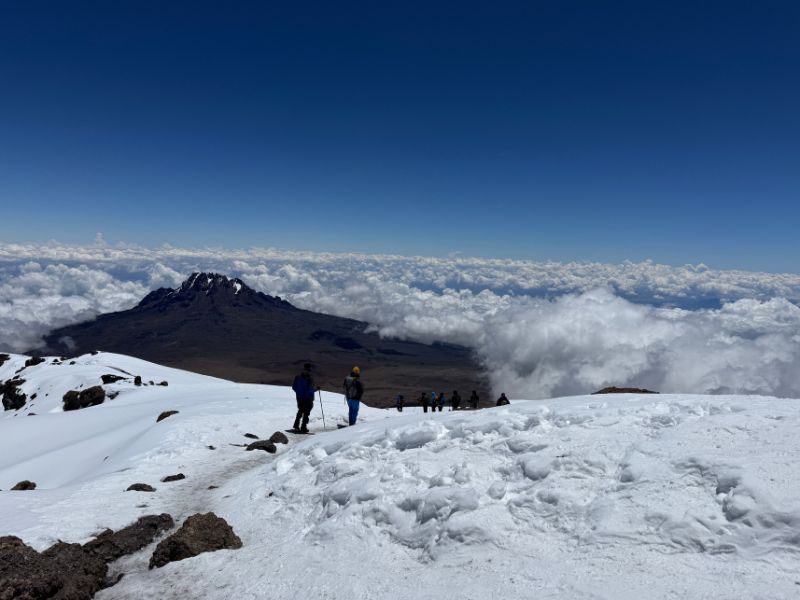
- Altitude. This is the big one. As you climb higher, oxygen levels drop. Altitude sickness can strike anyone, no matter how fit you are. That’s why choosing a longer route (like the Lemosho or Northern Circuit) helps with gradual acclimatization.
- Duration. The more days you spend on the mountain, the better your body adjusts. Short routes are faster but riskier in terms of adjusting to the altitude.
- Fitness Level. You don’t need to be an athlete, but a solid fitness base makes a huge difference. Regular cardio and leg strength training before your trip will pay off!
- Weather. Kilimanjaro’s climate zones range from tropical to arctic… yes, really. Rain, wind, and freezing nights can make the trek harder than expected.
- Mental Toughness. At some point, your body will want to quit. That’s when mindset kicks in. Staying positive and taking it one step at a time is often what gets you to the summit.
Easiest to Hardest Kilimanjaro Routes
Marangu Route (Coca-Cola Route) – Easiest
The Marangu Route is often called the Coca-Cola Route because it’s the most comfortable and well-established trail. Even soft drinks are sold at some huts! It’s the only route with hut accommodation, so you don’t need to camp in tents.
The trail itself follows a steady and moderate incline that’s great for beginners. But don’t let the word “easy” fool you; the shorter itinerary (usually five to six days) means less time for your body to acclimatize, which can reduce your summit success rate. Still, it’s a great choice for hikers who prefer more comfort and don’t mind seeing more fellow climbers along the way.
Lemosho Route – Gradual and Scenic
The Lemosho Route is a favorite for good reason. It’s beautiful, gradual, and great for acclimatization. Starting from the west, the trail crosses lush rainforests, rolling moorlands, and stunning alpine meadows before joining the Machame path higher up.
This route takes around 7 to 8 days. So your body gets enough time to adjust to altitude. The scenery is varied and dramatic, perfect for those who want both the best views and a higher chance of reaching the summit.
Machame Route (Whiskey Route) – Popular & Challenging
Nicknamed the Whiskey Route (because it’s tougher than Coca-Cola!), Machame is the most popular path up Kilimanjaro. It’s a steeper and more physically demanding trek than Marangu, but it rewards you with some of the most spectacular scenery on the mountain!
You’ll pass through dense jungle, Shira Plateau, and the breathtaking Barranco Wall (this is actually one of the most memorable parts of the climb!). It typically takes 6 to 7 days, and while it’s challenging, the “climb high, sleep low” design helps with acclimatization.
Rongai Route – Remote and Quiet
The Rongai Route is the only path that approaches Kilimanjaro from the north, near the Kenyan border. It’s less crowded and offers the solitude you won’t find on other trails.
The terrain is gentler, especially in the first few days. So it’s ideal for hikers who prefer a quieter experience. However, because it’s on the drier side of the mountain, the landscapes aren’t as lush as the western routes. It usually takes 6 to 7 days and offers a steady acclimatization profile.
Northern Circuit Route – Longest and Best for Acclimatization
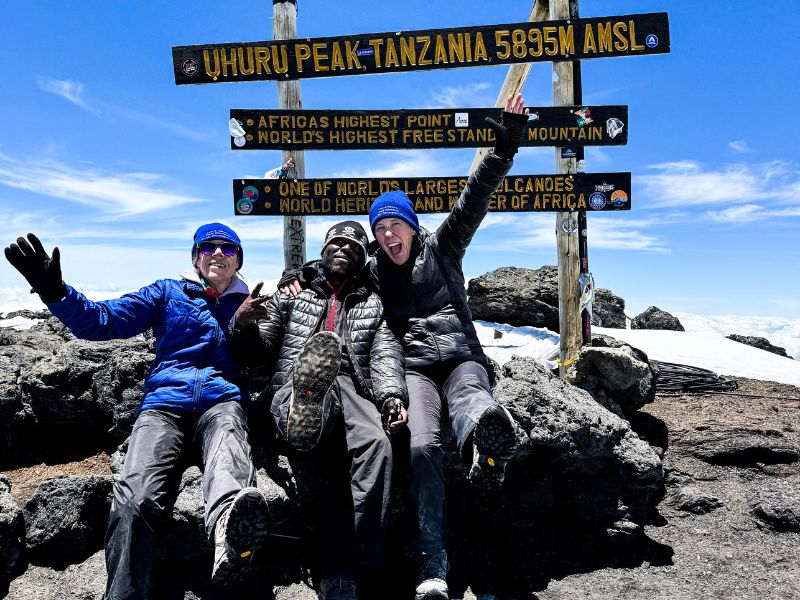
If you’re looking for the ultimate high-success, low-crowd experience, the Northern Circuit is the top choice. It’s the longest route on Kilimanjaro, taking about 9 days to complete, but that’s what makes it the best for acclimatization.
The trail circles the mountain’s northern slopes, offering panoramic views and plenty of time to adjust to altitude. You’ll enjoy quiet camps and pristine landscapes along the way. This route is perfect for trekkers who want a more gradual climb as well as the highest chance of reaching Uhuru Peak.
Umbwe Route – Steepest and Most Demanding
The Umbwe Route is as direct as it gets, and that’s what makes it the hardest. It’s short, steep, and physically intense, with very little time for acclimatization. Climbers tackle sharp ascents through dense forest and rocky ridges, and gain altitude quickly.
Because of its demanding nature, the Umbwe Route is only recommended for experienced and well-acclimatized hikers. It’s breathtakingly beautiful and uncrowded, but it’s also unforgiving. For most trekkers, it’s a test of endurance and mental strength. You know, the true “go big or go home” kind of route.
Ready for the trek? Check out our Kilimanjaro Trekking Tours.
Mt Kilimanjaro Difficulty by Route at a Glance
Route Comparison Table (Distance, Duration, Success Rate)
| Route | Distance / km | Duration / days | Success rate | Difficulty level |
| Marangu (Coca-Cola) | 70 | 5 to 6 | 60—70% | Moderate |
| Machame (Whiskey) | 62 | 6 to 7 | 80—85% | Challenging |
| Lemosho | 70 | 7 to 8 | 85—90% | Moderate to challenging |
| Rongai | 74 | 6 to 7 | 80—85% | Moderate |
| Northern Circuit | 98 | 8 to 9 | 90—95% | Moderate |
| Umbwe | 53 | 6 | 50—60% | Very difficult |
Acclimatization Opportunities Per Route
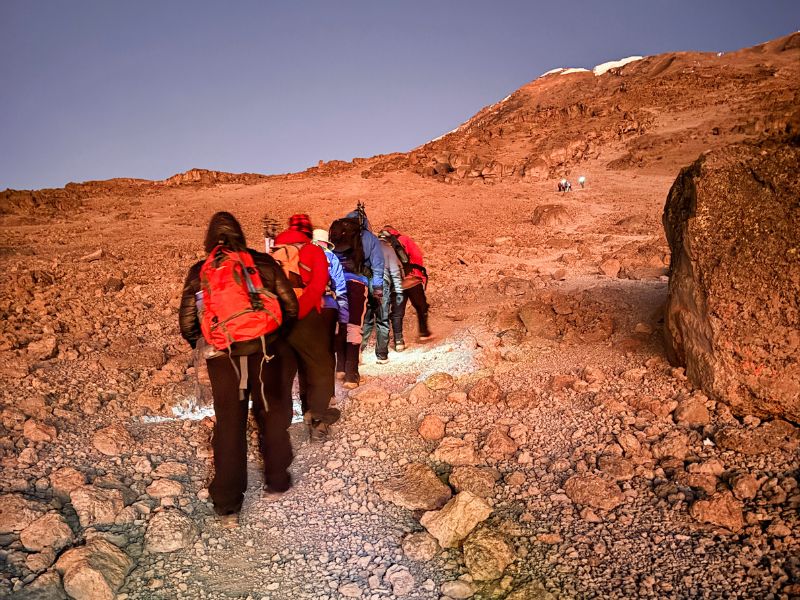
Routes like Lemosho and the Northern Circuit provide the best acclimatization. This is thanks to their longer duration and gradual ascent profiles. Machame also offers “climb high, sleep low” days that help your body adjust.
Shorter routes like Marangu and Umbwe are steeper and allow less time to adapt. This increases the risk of altitude sickness. If summit success is your top goal, a 7 to 9 day itinerary is your best bet.
How to Choose the Right Kilimanjaro Route for You
Fitness Level & Hiking Experience
If you’re new to trekking or prefer a gentler climb, go for Marangu or Lemosho. Those with solid hiking experience and good fitness can handle Machame or Rongai with ease. Seasoned trekkers looking for a real challenge might take on Umbwe or the full Northern Circuit.
Time Available
Short on time? The Marangu and Machame routes take around 6 days. If you can spare a few extra days, the Lemosho or Northern Circuit routes give you better acclimatization and higher success rates, worth every extra day.
Scenery vs Solitude vs Summit Success
- For the most scenic route, choose Lemosho or Machame.
- For peace and solitude, go with Rongai or Northern Circuit.
If your goal is summit success, pick a longer route. Slower ascents give your body the best chance to adjust and reach the top safely.
Tips to Make the Climb Easier
A few smart strategies can make your Kilimanjaro hike smoother and more enjoyable:
- Go slow. Pace is everything. A steady climb helps your body adjust to altitude.
- Stay hydrated. Dehydration worsens altitude symptoms.
- Train early. Build stamina with regular hikes, stair climbs, and cardio weeks before your trip.
- Pack smart. Layer clothing for changing climates and don’t skip essentials like a headlamp.
- Eat well. Even if your appetite dips, keep fueling with carbs for energy.
- Listen to your guide. They know the mountain best, from pacing to when to rest.
Looking for something unique? Read our Mt Meru Climbing Guide!
Final Thoughts: Is Mount Kilimanjaro Easy to Climb?
Climbing Mount Kilimanjaro isn’t easy, but it’s absolutely achievable. You don’t need technical skills; just preparation, determination, and the right route. Go slow, stay positive, and give your body time to adapt. With the right mindset and support, reaching the peak becomes less about difficulty and more about adventure.