The Tanzania Calving Season: Why You Should Safari During This Spectacle
A safari during the Tanzania calving season offers a front-row seat to one of nature’s most underrated spectacles. When most people picture the Great Migration, they picture thousands of wildebeest hurling themselves into a crocodile-filled river. That’s real, and it’s dramatic. But it’s not the whole story.
Every year, the migration completes a full loop. After those famous river crossings in the Mara, the herds begin spilling south from Kenya in November, fanning out across the Ndutu plains, the Lake Masek area, and into the Ngorongoro Conservation Area. They’re following the short rains, which green up the southern Serengeti each year and provide exactly the rich, nutritious grass that pregnant wildebeest need.
By January, the calving begins. The southern Serengeti transforms into something else entirely.
Why the calving season is worth planning a trip around
You’re watching the reason migration exists at all
If you’ve ever wondered why 2 million animals put themselves through the ordeal of migration every year, the calving season answers the question. This is what all that movement is for. The herds return to these specific plains because the conditions here (the short-grass savannah, the mineral-rich soil, the timing of the rains) produce the right forage for raising young. Understanding that makes the whole system click.
Zebras and gazelles arrive alongside the wildebeest and play a specific role. They graze the taller grasses first, which exposes the shorter, more nutritious shoots underneath. That’s not incidental. It’s the system working exactly as it should, and watching it happen in real time is something most visitors never get to see.
The numbers are staggering, and the pace is relentless
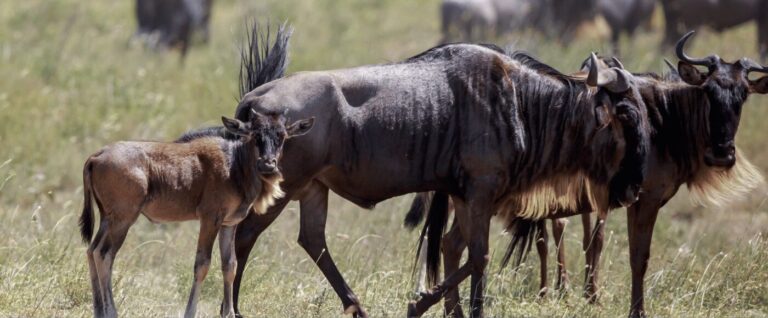
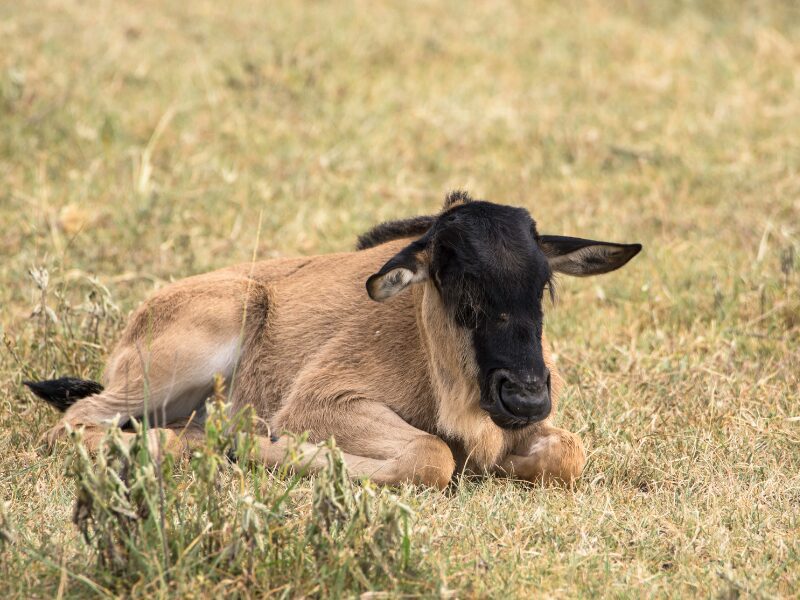
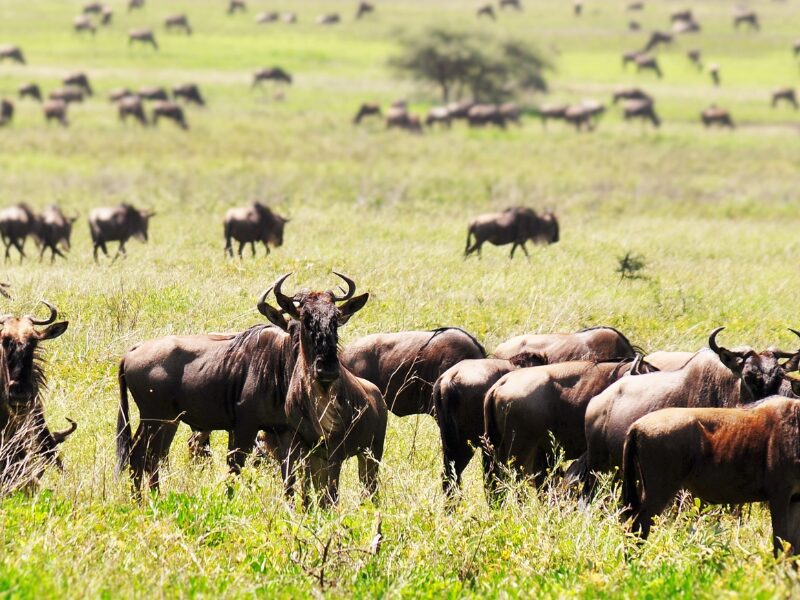
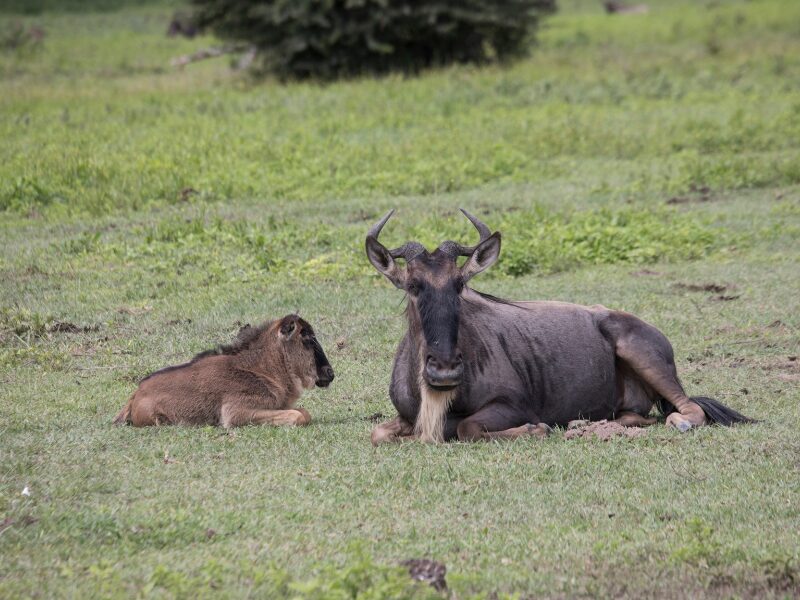
Around 8,000 calves are born every single day at peak calving. Most of them will be standing and running within minutes. The evolutionary logic is brutal and effective: the sheer volume of new life overwhelms predators and gives individual calves a fighting chance. But it also means the predators are extremely active. Lions, cheetahs, leopards, and hyenas all converge on this area during this window. If you’re hoping to see big cat behavior, few seasons match it.
The landscapes look completely different
Unlike the dry-season Serengeti (golden grass, dusty tracks, dramatic in its own way), the calving season brings the southern plains to life. The Ndutu region and surrounding areas are lush and green, with a quality of light that photographers specifically plan around. The contrast of that greenery against the herds, the predator action, the drama of newborns testing their legs all photograph differently than any other time of year.
Fewer visitors, more room
The river crossing months (July to October) draw the largest crowds. January through March is quieter. That means less traffic on game drives, more time at sightings, and a pace that feels closer to what a safari is actually supposed to feel like.
Top Destinations for a Tanzania Calving Season Safari
Ndutu Region, Ngorongoro Conservation Area
The Ndutu plains are at the heart of the calving season. This region offers an incredible vantage point to witness mass birthing and predator activity.
Southern Serengeti
The southern Serengeti is where much of the wildebeest migration settles during this period, offering excellent opportunities to observe the spectacle up close.
Lake Manyara National Park
While not part of the migration route, Lake Manyara is ideal for spotting tree-climbing lions and vibrant flamingos, complementing your calving season safari.
Tarangire National Park
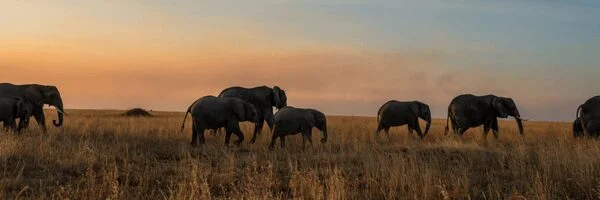
Known for its elephant herds and ancient baobabs, Tarangire adds diversity to your safari itinerary with its unique wildlife experiences.
Want to dive deeper? Check out our podcast on the Calving Season.
Photography during calving season
The calving season is one of the most photographically rich times to be in Tanzania, but it rewards preparation.
A telephoto lens (400mm or equivalent) lets you capture behavior without affecting it. Newborn calves, in particular, are sensitive to disturbance in their first minutes. Distance isn’t just good ethics, it’s good photography. At this focal length, use a shutter speed of at least 1/1000s to freeze action. Predator pursuits happen fast. Even a stumbling calf taking its first steps benefits from a fast shutter.
Continuous shooting mode helps a lot during unpredictable action sequences. Wide-angle shots of the plains have their place too. The scale of thousands of animals spread across green grassland is something no single frame can fully capture, but trying is worth it.
The green season light is softer than in the dry months, especially in the early morning and late afternoon. Those golden hours are worth building your day around.
Tips for planning a calving season safari
Timing: Peak calving runs January through March. February is typically the most concentrated period, but there’s meaningful action across the full window.
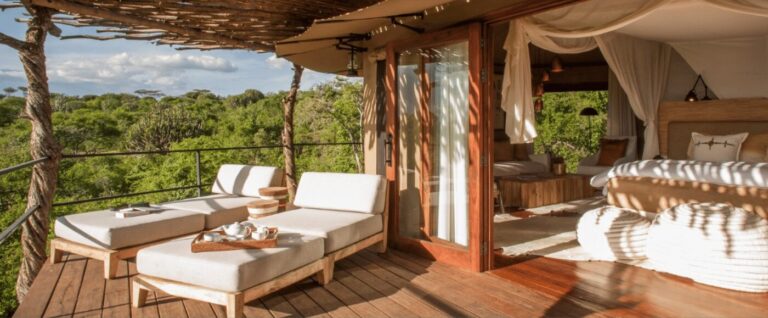
Accommodation: Staying close to the Ndutu region matters more during calving season than almost any other time of year. The early-morning logistics are everything. You want to be near the action at first light, not driving toward it for 45 minutes.
Layering: Green season means some rain. Lightweight, packable waterproof layers, good boots, and patience with the odd muddy track are all worth having.
Guides: More than any gear or logistics decision, the right guide determines what you see. Someone who understands predator behavior, who knows where the herds are concentrating based on the week’s grazing patterns, who can find a cheetah hunting a newborn before it happens. That’s the difference between watching wildebeest walk past and witnessing something you’ll describe for years.
Why Good Earth Tours is Your Ideal Partner
If you’re trying to decide between a calving season trip and another time of year, the honest answer is that it depends on what kind of experience you’re after. If you want to understand the migration as a complete cycle, not just the famous crossing moment but the ecological logic underneath it, calving season is the one that answers the question. We’d be glad to talk through what that might look like for your trip specifically.
Check out our calving season tours: All-Inclusive Tanzania Calving Season Safari
Final Thoughts
A Tanzania calving season safari is more than a wildlife adventure—it’s a journey into the heart of nature’s most profound and beautiful moments. Plan your Tanzania safari with Good Earth Tours and immerse yourself in the unparalleled magic of the calving season.
Book your Tanzania safari today and become part of nature’s most captivating story.
FAQs
Why visit Tanzania during the calving season?
From January to March, the Serengeti and Ndutu regions transform into vibrant nurseries where over 500,000 wildebeest calves are born, offering unique wildlife encounters and lush scenery.
What makes calving season unique?
Witness tender moments of new life, intense predator activity, fewer tourists, and breathtaking green landscapes that create a perfect safari atmosphere.
Where are the best locations for calving season safaris?
The Ndutu region and southern Serengeti are ideal for observing the mass birthing and predator-prey dynamics. Tarangire and Lake Manyara add diversity with unique wildlife experiences.
What should I pack for a calving season safari?
Lightweight waterproof clothing, binoculars, a good camera, and essentials for the green season are key.