Mythbusters: Debunking the “Dangerous Safari” Myth
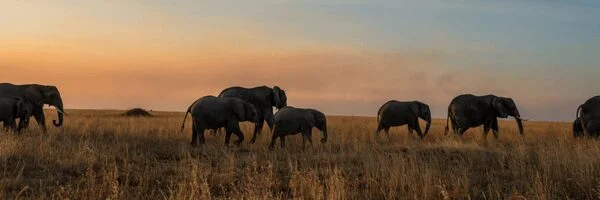
When you hear the phrase “African Safari” this typically conjures up images of vast savannas teeming with majestic wildlife, thrilling game drives, and unforgettable encounters with nature. But for some, the word “safari” paired with “Africa” brings a flicker of fear. Is an African safari safe? Are there wild animals lurking around every corner? Is it like the Lion King, Wakanda or more like the near death encounters with an elephant that occasional viral TikToker’s shares?
Let’s set the record straight and debunk the myth of “dangerous safari’s”.
Is an African safari safe? The real answer
The truth is, safaris are incredibly safe when done with a reputable tour operator who prioritizes your well-being. In fact, you’re more likely to experience a minor mishap on your commute to work than you are to encounter a dangerous situation on safari.
Here’s why:
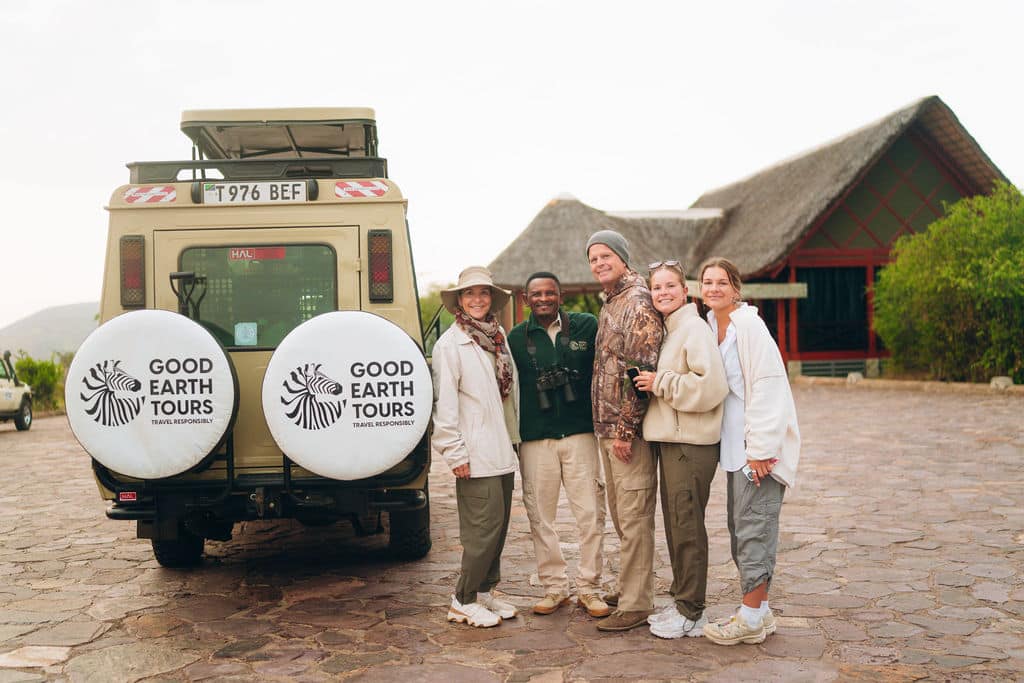
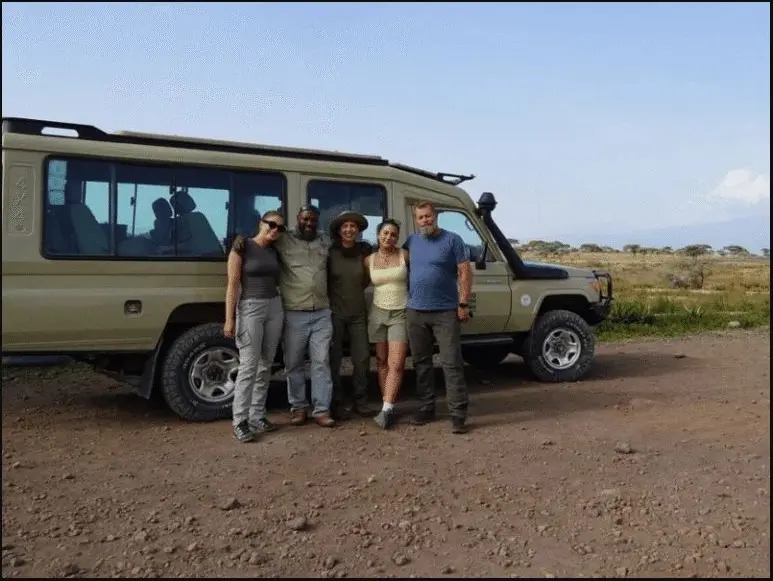
- Experienced Guides: Your safari guides are seasoned professionals with an in-depth knowledge of animal behavior and the local environment. They’ve been trained to anticipate potential risks and take necessary precautions to ensure your safety.
- Strict Protocols: Reputable safari operators follow strict safety protocols, including maintaining a safe distance from wildlife, adhering to park regulations, and conducting regular vehicle checks.
- Specialized Vehicles: Safari vehicles are designed for optimal safety and viewing, with open tops for unobstructed views and reinforced bodies for protection.
The (Not So) Wild Side of Safaris
While it’s important to respect the wild animals you encounter on safari, they pose a minimal threat to you when you follow the guidelines provided by your guide. The animals are generally more interested in minding their own business than bothering with humans. You’re more likely to be awestruck by their beauty than run for your life.
That said, it’s always a good idea to be cautious and follow your guide’s instructions to the letter. Don’t get out of the vehicle unless instructed to do so, don’t approach animals, and don’t make sudden movements or loud noises that could startle them.
Comparing Risks: Safari vs. Everyday Life
Think about it – you’re more likely to:
- Get into a car accident on your way to the grocery store then encounter a lion on safari.
- Trip and fall while walking down the street than be trampled by an elephant.
- Get food poisoning from a dodgy restaurant than be bitten by a venomous snake.
The point is, while there are risks associated with any travel experience, the dangers of going on safari are often blown out of proportion.
What a good operator puts in place before you arrive
Knowing that safaris are statistically safe is one thing. Understanding what actually makes them safe is another, and it’s worth knowing what goes on behind the scenes.
Long before your trip starts, a pre-travel planning call helps set clear expectations and answers the questions most people have but don’t always think to ask. Once you’re in Africa, 24/7 in-country support means that no matter where you are (a remote bush camp, a small airstrip, anywhere), help is never more than a phone call away.
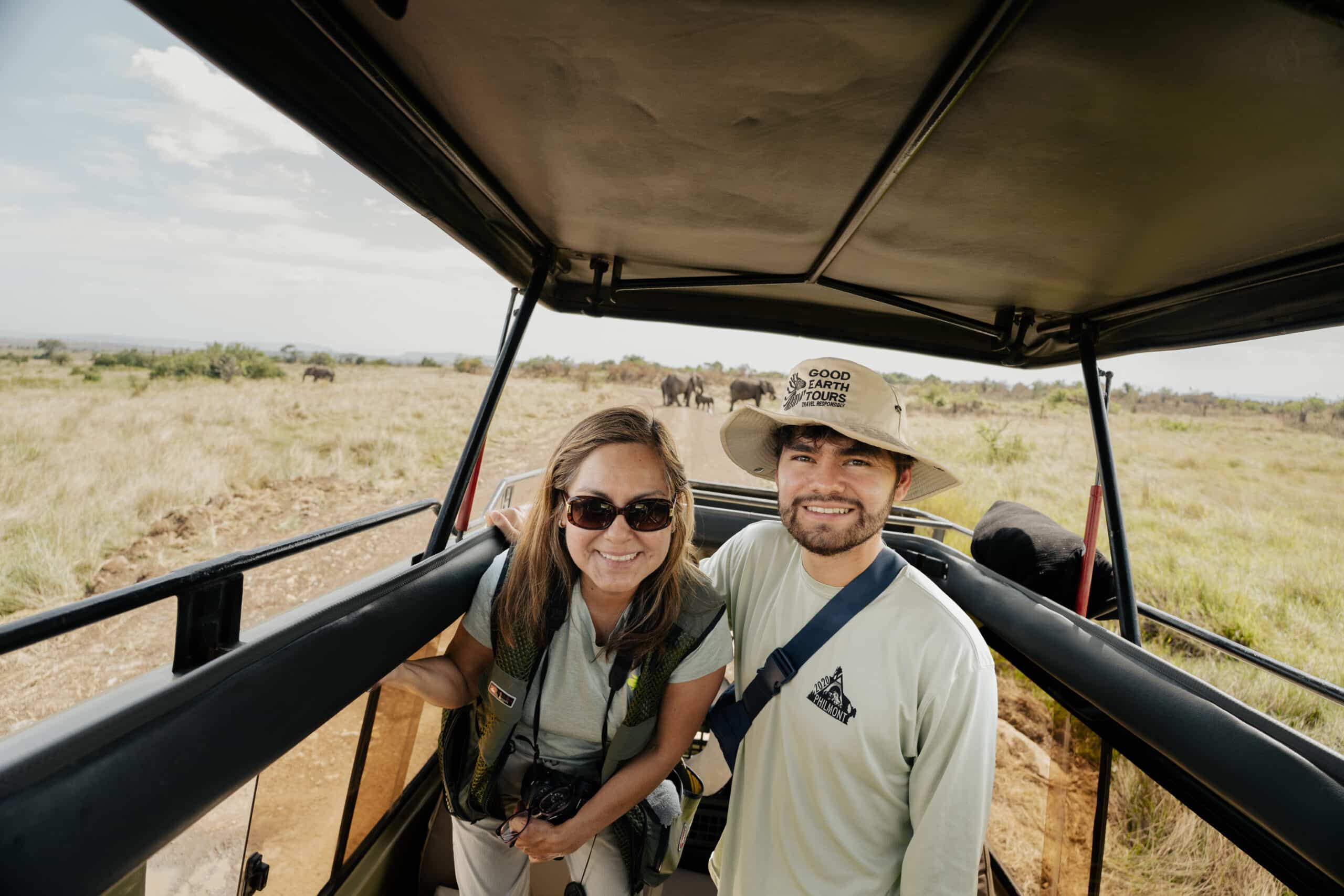
On the ground, your guides aren’t just wildlife experts. They’re trained in first aid and safety protocols, so they’re equipped to handle the rare situations that do come up. All vehicles are maintained to a high standard, and strong medical and logistics partners are in place so that if plans need to change quickly, they can.
One practical thing worth doing before any safari: get comprehensive travel insurance. Not just basic coverage, but a policy that includes medical evacuation if needed. Most people don’t end up needing it, but it’s the kind of thing you’ll be very glad to have if something does go sideways.
Your Safari Safety Checklist
To ensure a safe and enjoyable safari, remember these tips:
- Choose a reputable tour operator: So, is an African safari safe? Yes, with the right operator. Do your research and select a company with a proven track record of safety and responsible tourism practices.
- Follow your guide’s instructions: Listen carefully to your guide’s advice and adhere to park regulations.
- Be aware of your surroundings: Pay attention to your environment and watch for signs of wildlife activity.
- Don’t approach animals: Keep a safe distance and observe them from the safety of your vehicle.
- Stay hydrated and protected: Drink plenty of water, wear protective clothing, and use insect repellent.
Ready for an Adventure?
Bottom line: is an African safari safe? Absolutely, when done responsibly. With proper preparation and a healthy dose of respect for wildlife, safaris are an incredibly safe and rewarding way to experience the wonders of Africa. So, leave your fears behind, pack your bags, and get ready for the adventure of a lifetime!
We’ve put together a Private Safari Planning Guide that helps you start planning your responsible dream adventure!