Safari After 60: What’s Changed About Comfort, Pace, and Access (And Why Now Might Be the Best Time to Go)
For a long time, safaris carried the reputation of being physically demanding, exhausting to reach, and best suited to travelers willing to “rough it” a little, until the African safari for seniors came into the picture. Today, many packages are built around comfort, smoother logistics, slower pacing, and far easier access to wildlife-rich areas than people expect. The goal has been to cater to all you active & capable individuals over 60 who are looking for an immersive, once-in-a-lifetime kind of experience, something that’s entirely different from the hundreds of trips you’ve taken throughout your life. It’s 100% possible, and we’ll prove that below 💚
Safari Has Changed (and So Has Who’s Going)
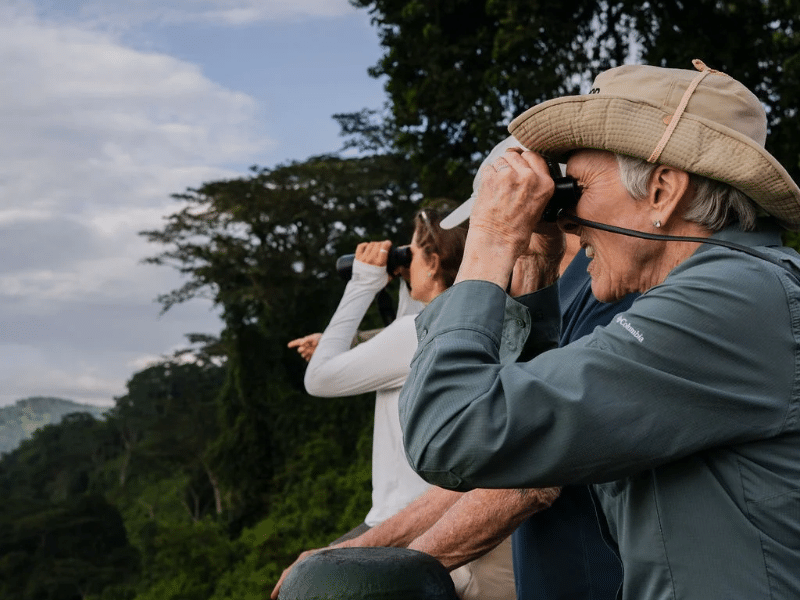
Safaris are no longer limited to rugged travelers willing to tolerate exhausting transfers and basic camps just to see wildlife. The experience has evolved dramatically over the years, thanks to improved lodge accessibility, enhanced medical evaluations, pace-flexible itineraries, and shorter transfer times. Such advancements have, indeed, expanded the age bracket, making safari for older travelers a realistic possibility.
Not only does one have more flexibility with time, but you’ve also got a better budget and more appreciation for meaningful travel when going on a safari over 60. That probably also explains why more & more travelers have started planning milestone safaris, like an iconic 60th-birthday or retirement safari, because Africa has a way of making big moments feel even more special.
What Comfort Actually Looks Like At Today’s Best Lodges
To many, safaris for seniors still sound like “luxury camping,” with rough conditions hidden behind pretty photos. Well, the reality is quite the opposite. Most modern lodges offer a level of comfort closer to that of high-end boutique hotels. Proper beds, private bathrooms, hot showers, excellent food, laundry service, Wi-Fi in many camps, and beautifully designed lounges are now extremely normal parts of safari accommodation.
In fact, the best safari deals for seniors and retirees will include lodges that go beyond just the room and are designed to reduce physical strain throughout the trip. That can include:
- shorter walking distances around camp
- easier vehicle access
- staff assistance with luggage
- flexible meal timings
- shaded rest areas
- slower safari pacing
- fewer room counts for quieter stays
Pace: How a Well-Planned Safari Avoids Exhaustion
One of the biggest differences between a good safari itinerary and a bad one usually comes down to pacing. A lot of travelers assume safari exhaustion comes from age, when in reality, it’s often caused by poor planning, like too many camps packed into one trip, constant unpacking, overly long drive days, early wake-ups every single morning, or trying to “see everything.”
African safari tours for seniors prioritize fewer camp changes and more flexible daily schedules, plus midday downtime between drives. Fly-in connections are also added wherever helpful.
Accessibility and Mobility: What’s Realistic and What’s Improved
The accessibility + mobility of safari for seniors is designed entirely around comfort, offering facilities such as:
- ground-floor rooms
- shorter walking paths
- staff assistance
- easier vehicle access
- smoother camp layouts
That said, safari accessibility still varies heavily between properties, which is exactly why asking detailed questions matters. Some camps might involve stairs, uneven pathways, longer walks between tents, smaller safari vehicles, or other hurdles that could make the experience a little uncomfortable (but nothing to worry about if you communicate your needs clearly in advance).
Vehicles, too, should be booked carefully. Private safaris, for example, allow more room for breaks and stretching during drives. Fly-in safaris can also reduce the need for long-distance road transfers. Overall, mobility will be managed well, as almost all of the wildlife viewing happens from the vehicle itself, unless, of course, you want to experience a walking safari.
Medical and Safety Infrastructure You Should Know About
The medical and safety side of safari for older travelers is much more structured than you think.
Most established safari regions in high-tourism areas across East and South Africa operate under well-developed emergency systems behind the scenes. Lodges regularly coordinate with:
- nearby airstrips
- emergency evacuation services
- regional medical clinics
- flying doctor networks
- satellite communication systems
What you need to keep in mind is that safari still takes place in remote, unknown environments, so preparation is always a must. Before booking, you’d want to ask about…
- nearest medical access points
- evacuation coverage
- travel insurance requirements
- driving distances between camps
- availability of dietary or medical accommodations
- medication storage if needed
Travel insurance becomes especially important here, particularly coverage that includes emergency evacuation from remote safari areas.
Destinations and Itineraries that Work for Travelers Over 60
Every destination offers a different sort of experience, and, of course, a different level of comfort, so one of the most important safari travel trips for older adults is to choose regions that naturally allow for a smoother pace + easier overall travel.
For example, South Africa is often a great starting point for first-time senior safari travelers. Roads, lodges, medical access, and flight connections are generally very smooth, while areas like Kruger National Park offer excellent wildlife viewing without requiring overly rugged travel.
Botswana works beautifully for travelers who prioritize quieter luxury camps, fly-in safaris, and immersive wildlife experiences, with less road travel between destinations. Meanwhile, Tanzania and Kenya remain incredible destinations for seniors seeking classic safari landscapes and the Great Migration.
Once the destinations have been decided, it’s time to map a smooth itinerary (you can use our FREE printable planning guide to help you there!). As a general rule of thumb, you’d want the overall plan to include:
- fewer camp changes
- longer stays in stronger wildlife areas
- shorter transfer days
- built-in rest time
- carefully timed flights
- realistic pacing
The Budget Question: What a Comfortable Senior Safari Costs
Senior safaris are comfortable, yes, but that doesn’t automatically translate into ultra-luxury pricing. Comfort on safaris for seniors is actually connected to pacing, lodge selection, smoother logistics, and reduced physical strain than gold-plated bathtubs and over-the-top extravagance.
Still, senior-friendly safaris often sit slightly higher on the budget scale compared to fast-paced budget group tours, mainly because the experience is structured differently. Mid-range safaris will cost $350–$600 per person, per night and include comfortable lodges and guided game drives. Luxury safari packages can range from $700 to $1,500+, as they come with more high-end facilities, such as fly-in camps, private concessions, and more personalized service.
Most packages will already offer all the basic facilities, like:
- accommodations
- meals
- game drives
- park fees
- guides
- airport transfers
- some domestic safari flights, depending on the itinerary
The major jump in budget comes from location and logistics rather than room décor itself. For example, remote delta camps in Botswana or private conservancies in Kenya naturally cost more because of limited access and a more exclusive experience.
Why Our Clients Say They Wish They’d Gone Sooner
Travelers over 60 delay their trip either because they assume it’s too physically demanding and no longer for them, or because they find it too complicated to organize. After working with our team at Good Earth Tours, and enjoying a once-in-a-lifetime safari experience that felt as comfortable as adventurous, our clients have always returned with a heart full of memories but also a pinch of “why didn’t we do this sooner?”, and we think you should definitely take that as a sign and book yours ASAP 🤍